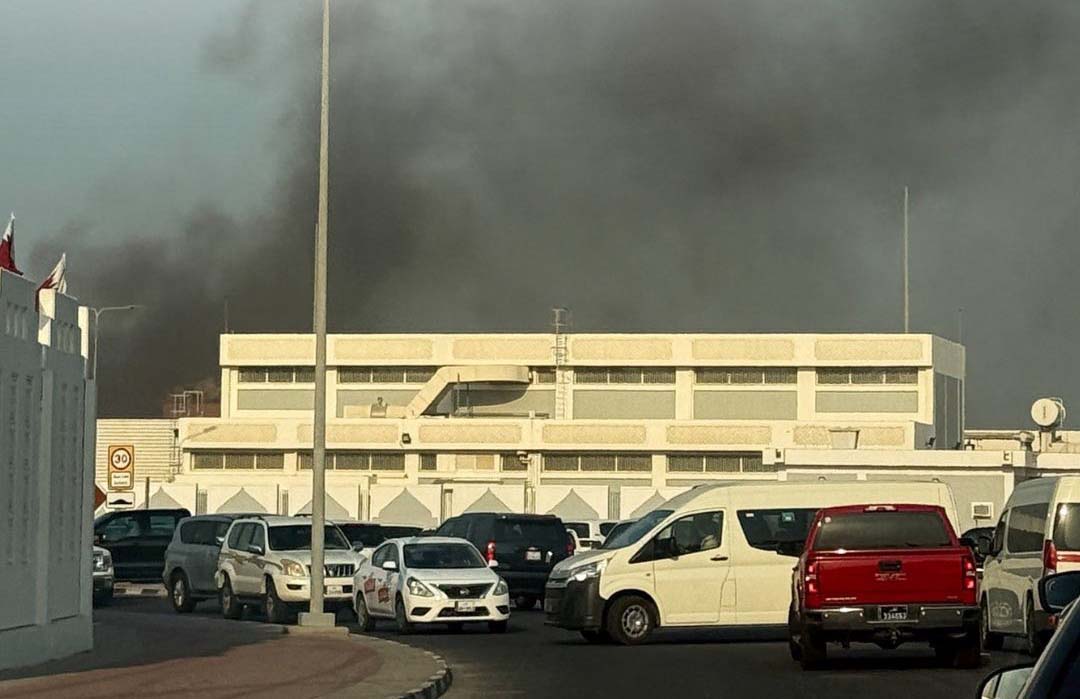
Iranian Missiles struck Bahrain, Kuwait and Jordan on Friday after the United States completed its 13th consecutive night of airstrikes against Iran, further escalating the conflict that continues to threaten regional security and global energy supplies.
The latest exchange of attacks marks another dangerous phase in the Iran-US war, with Gulf states increasingly caught in the crossfire as Tehran retaliates against American military operations targeting strategic Iranian assets.
The renewed hostilities also intensified concerns over the security of major shipping routes, including the Strait of Hormuz and the Bab El-Mandeb Strait, both vital to global oil and trade flows.
Iranian Missiles Trigger Air Defense Response
The latest Iranian Missiles attack prompted Bahrain, Kuwait and Jordan to activate their air defense systems within hours of the US military concluding another round of strikes against Iranian targets.
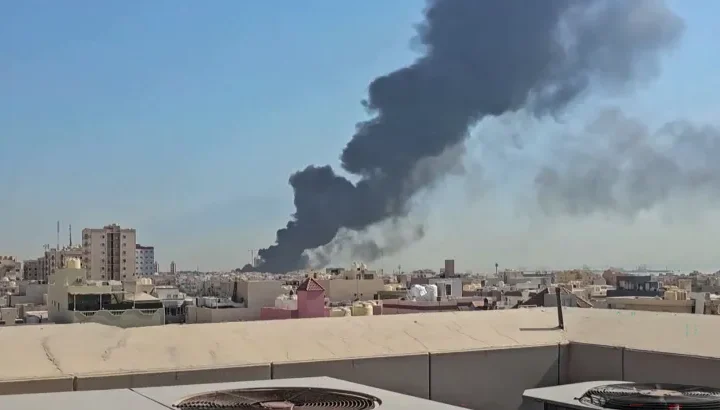
Bahrain sounded nationwide warning sirens and instructed residents to seek shelter after detecting incoming missiles and drones. The Bahrain Defense Force later announced that its air defense units successfully intercepted and destroyed several aerial threats before they reached their targets.
Military officials condemned the attacks, describing the deliberate targeting of civilians and private property as a serious breach of international humanitarian law.
In Kuwait, the armed forces confirmed that air defense units intercepted hostile drones launched from Iran. Authorities did not report casualties or damage following the operation.
Jordan also responded quickly. The Royal Jordanian Air Force and national air defense systems intercepted seven missiles and six drones fired toward the kingdom. Officials said all incoming threats were destroyed before impact, leaving no casualties or property damage.
Iran Claims US Military Bases Were Targeted
Iranian military authorities said the latest Iranian Missiles campaign targeted several American military installations across the Gulf region.
According to official statements, Iranian drones struck facilities linked to the United States at Isa Air Base in Bahrain, Al-Azraq Air Base in Jordan and military locations inside Kuwait.
The statements claimed the attacks were retaliation for recent US military operations against Iranian infrastructure.
However, American officials did not immediately confirm whether US facilities sustained damage or whether American personnel were affected.
Iran’s Revolutionary Guards also claimed responsibility for targeting a regional Amazon data center in Bahrain. Neither Bahrain nor Amazon issued statements confirming the allegation.
US Continues Air Campaign Against Iran
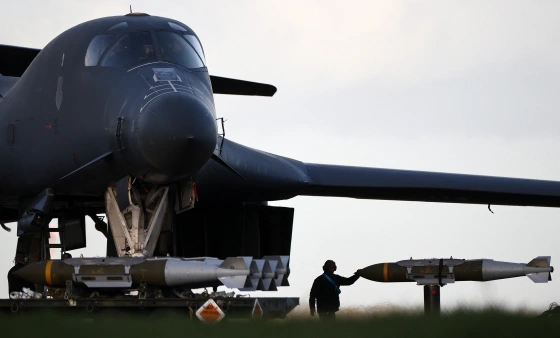
The United States maintained pressure on Iran by completing its 13th straight night of military operations.
US Central Command said the latest campaign targeted facilities supporting Iran’s military capabilities, particularly assets linked to threats against commercial shipping.
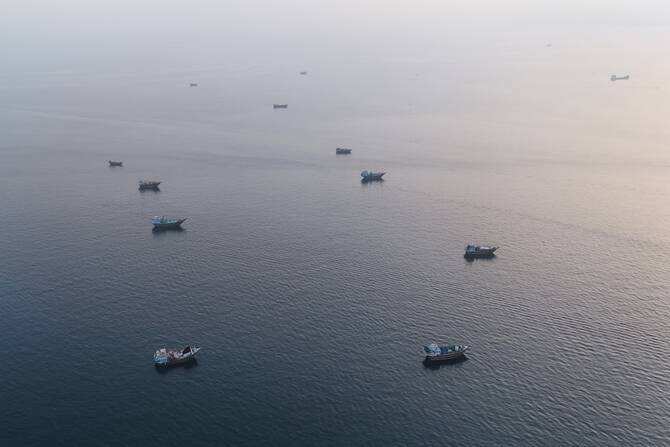
According to CENTCOM, the strikes aimed to reduce Iran’s ability to disrupt maritime traffic through the Strait of Hormuz, one of the world’s busiest energy corridors.
Military officials said the operation concluded shortly before 5 a.m. local time on Friday.
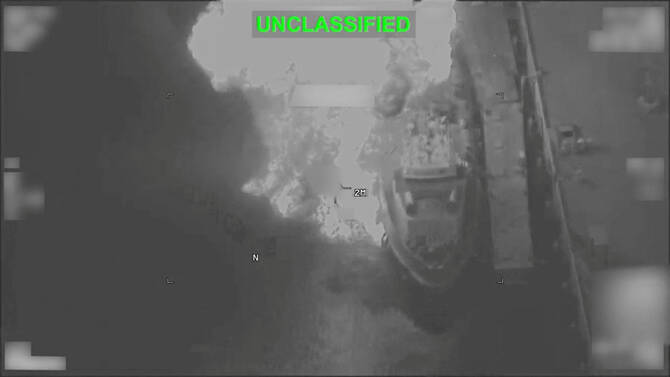
Iranian authorities reported that American projectiles struck a Revolutionary Guards naval headquarters in Zibakenar, located in the northern province of Gilan.
Officials said the attack damaged equipment at the military installation.
Elsewhere, Iranian state media reported explosions near Ahvaz, where a US missile strike reportedly killed four people and injured five others.
Additional explosions were also reported on Qeshm Island and near Andimeshk, Omidiyeh and Firuzabad.
Oil Markets Face Fresh Pressure
The growing exchange of Iranian Missiles and American airstrikes continues to unsettle global energy markets.
Oil prices climbed above $100 per barrel after Yemen’s Houthi movement announced attacks on two Saudi oil tankers in the Red Sea.
The strikes heightened fears that multiple shipping routes could face disruption simultaneously.
The Strait of Hormuz normally handles about one-fifth of global oil and gas shipments, while the Bab El-Mandeb Strait carries roughly 12 percent of world trade and nearly a quarter of global container traffic.
Analysts warn that prolonged instability around both waterways could increase transportation costs, tighten global energy supplies and place additional pressure on international inflation.
Iraq Pushes for Diplomacy
Amid the worsening conflict, Iraq renewed efforts to encourage dialogue between Washington and Tehran.
Prime Minister Ali Al-Zaidi visited Tehran on Thursday, urging both sides to pursue diplomatic solutions instead of further military escalation.
His office said Iraq would not permit its territory to serve as a launchpad for attacks against Iran, reflecting Baghdad’s effort to maintain balanced relations with both countries.
The diplomatic initiative comes as regional leaders fear the expanding conflict could draw more Middle Eastern nations into direct confrontation.
Houthi Threats Raise Fresh Shipping Concerns
The Iran-backed Houthi movement warned it could target another major international shipping route after already threatening vessels linked to Saudi Arabia.
The group said it may disrupt traffic through the Bab El-Mandeb Strait, which connects the Red Sea with the Gulf of Aden and serves as a critical gateway to the Suez Canal.
Any sustained disruption would compound existing tensions surrounding the Strait of Hormuz and increase risks for global commerce.
With Iranian Missiles continuing to strike regional targets and the United States maintaining sustained military operations, analysts warn that the conflict is entering a more dangerous phase with significant implications for regional security, international shipping and global energy markets.