US attacks Iran have dramatically escalated tensions across the Middle East after Washington launched a fresh wave of military strikes against Tehran, prompting immediate retaliation against Bahrain and UAE-linked tankers in the Strait of Hormuz. The renewed confrontation has heightened fears of a wider regional conflict and renewed concerns over global energy supplies moving through one of the world’s most strategic shipping routes.
The latest military action came hours after President Donald Trump announced that the United States was reinstating a blockade on Iran in the Strait of Hormuz. Tehran responded swiftly by launching attacks against Bahrain and two tankers linked to the United Arab Emirates, raising fresh concerns over maritime security and the stability of global oil markets.
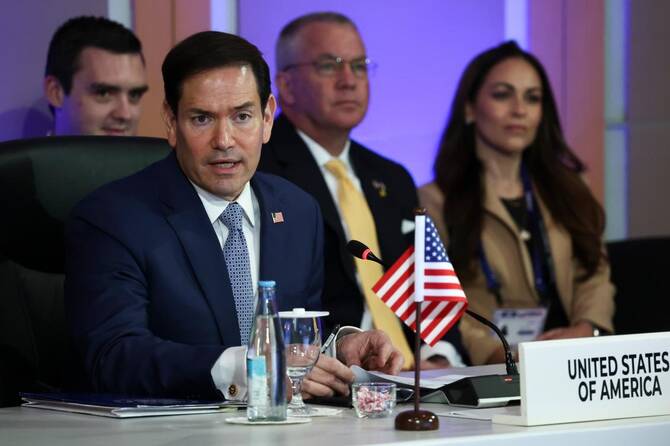
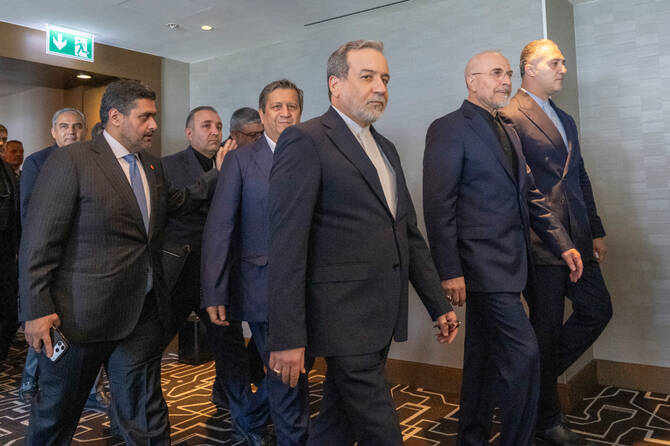
The escalation follows the collapse of indirect diplomatic efforts aimed at preserving a fragile ceasefire that had briefly reduced hostilities between Washington and Tehran.
US attacks Iran after blockade announcement
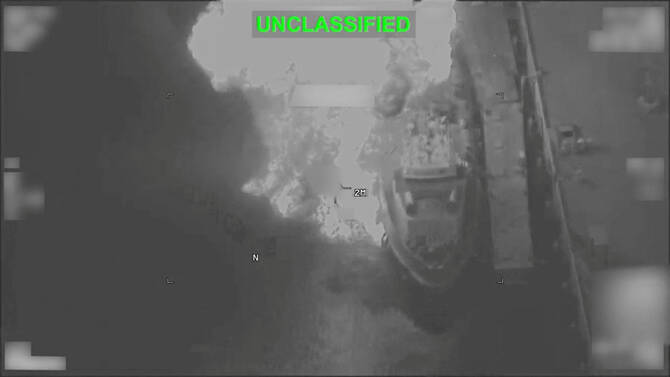
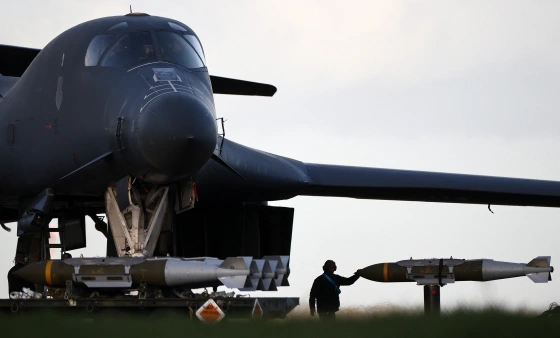
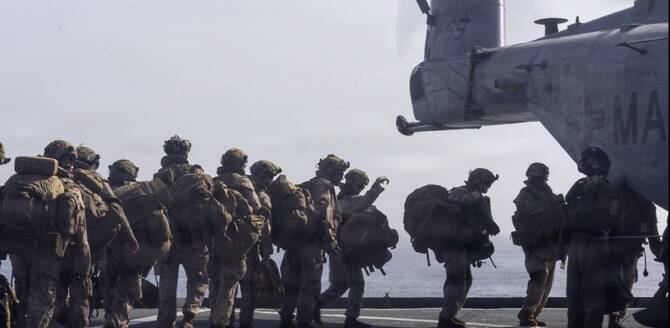
The United States Central Command confirmed that American forces carried out another round of coordinated strikes against Iranian targets early Tuesday.
Military officials said the operation was intended to weaken Iran’s offensive capabilities and reduce its ability to threaten civilian vessels and commercial shipping passing through the Strait of Hormuz.
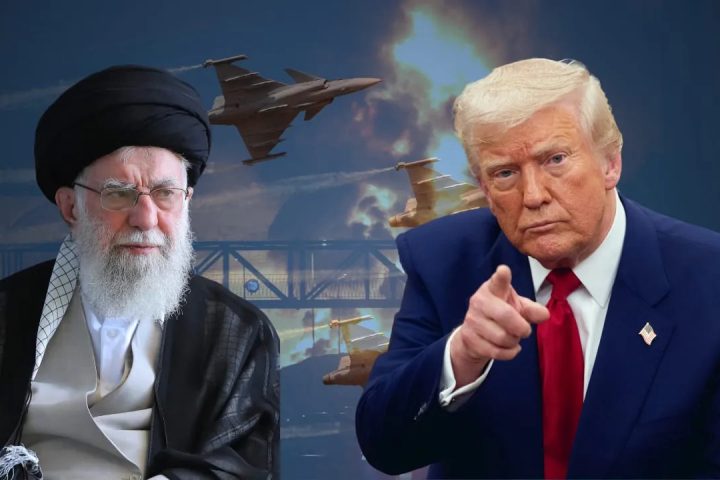
President Trump described the operation as another major military action and said American forces would continue striking Iranian targets if necessary.
Speaking to reporters in the Oval Office, Trump said the United States was hitting Iranian military capabilities hard while restoring control over one of the world’s busiest maritime routes.
He also announced a major policy shift by saying commercial vessels using the Strait of Hormuz would pay for American security protection, marking a significant departure from longstanding US support for unrestricted freedom of navigation.
Iran launches retaliatory attacks
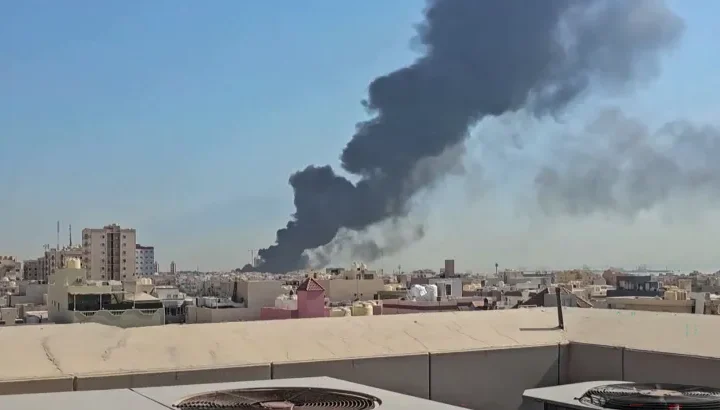
Iran responded within hours by launching missile attacks targeting Bahrain and two UAE-linked tankers operating in the Strait of Hormuz.
Bahrain activated nationwide missile warning sirens for the third time in recent days and instructed residents to seek immediate shelter as Iranian missiles approached the island kingdom.
Iran also fired missiles toward Jordan, whose authorities confirmed intercepting several projectiles over its territory before they reached populated areas.
Iran’s Revolutionary Guard claimed responsibility for the attacks on the tankers, alleging the vessels ignored repeated warnings before entering what it described as a restricted maritime zone.
The group claimed the ships violated security instructions and were subsequently targeted during the operation.
UAE condemns tanker strikes
The UAE Ministry of Defence confirmed that cruise missiles struck the tankers Mombasa and Al Bahiyah while they transited the Strait of Hormuz.
The strikes ignited fires aboard both vessels before emergency crews successfully extinguished the flames.
Authorities said one Indian crew member died during the attack, while eight others suffered injuries, including six Indian nationals and two Ukrainian sailors.
The Emirati government condemned the strikes and warned that it reserved the right to respond with all necessary measures to protect its territory, citizens and commercial interests.
Military aircraft were reportedly seen flying over Dubai shortly after the attacks as regional security forces heightened their alert status.
The latest assault has intensified fears that Gulf nations could become increasingly involved in the growing confrontation between Washington and Tehran.
Oil markets react to US attacks Iran
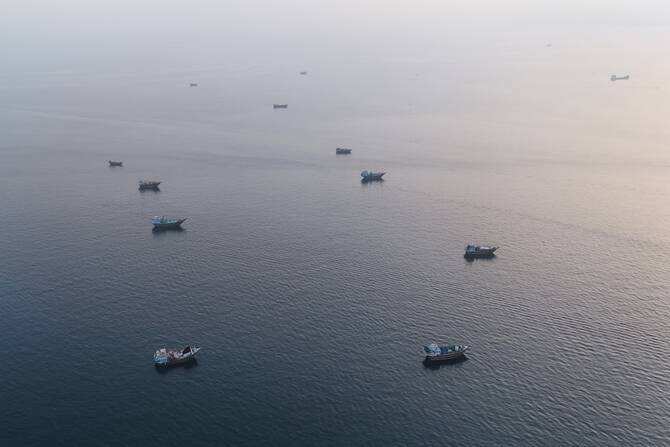
The Strait of Hormuz remains one of the world’s most strategically important waterways because nearly one-fifth of global crude oil and natural gas shipments traditionally pass through the narrow passage.
Following the latest developments, benchmark Brent crude prices climbed 7.8 percent to $81.92 per barrel as traders reacted to the heightened geopolitical risk.
Although prices remain below the peaks recorded earlier during the conflict, analysts warned that continued instability could drive up fuel prices globally and disrupt international supply chains.
Energy experts said prolonged military activity around the Strait of Hormuz could also increase shipping insurance costs and create additional pressure on global trade.
Diplomatic tensions continue to rise
The renewed military confrontation follows the failure of indirect negotiations aimed at preserving a temporary ceasefire established after earlier US and Israeli strikes against Iran.
Trump argued that Tehran failed to honour commitments reached during previous negotiations and insisted Washington could no longer rely on diplomatic assurances alone.
He described the agreement as a test of Iran’s intentions and claimed the country had failed to meet its obligations.
Iran rejected those accusations, maintaining that it has acted within its rights while accusing the United States of violating previous understandings through renewed military operations.
The latest exchange of attacks has significantly reduced expectations that meaningful negotiations can resume in the near future.
Regional security fears intensify
Security analysts believe the current escalation could pull additional countries into the conflict if attacks continue against Gulf states, military installations or commercial shipping.
The United States has previously worked with international maritime agencies to establish secure shipping corridors outside areas controlled by Iran.
However, repeated attacks on vessels navigating those routes have complicated efforts to guarantee safe commercial passage through the region.
Governments across the Gulf have strengthened military readiness while monitoring developments closely amid fears of further retaliatory strikes.
As both Washington and Tehran continue to exchange military action, the crisis surrounding the Strait of Hormuz appears poised to remain one of the world’s most dangerous geopolitical flashpoints, with significant consequences for regional security, global trade and international energy markets.