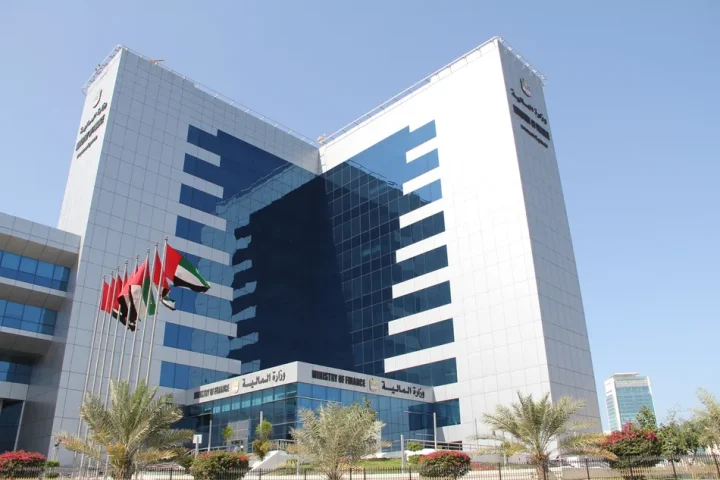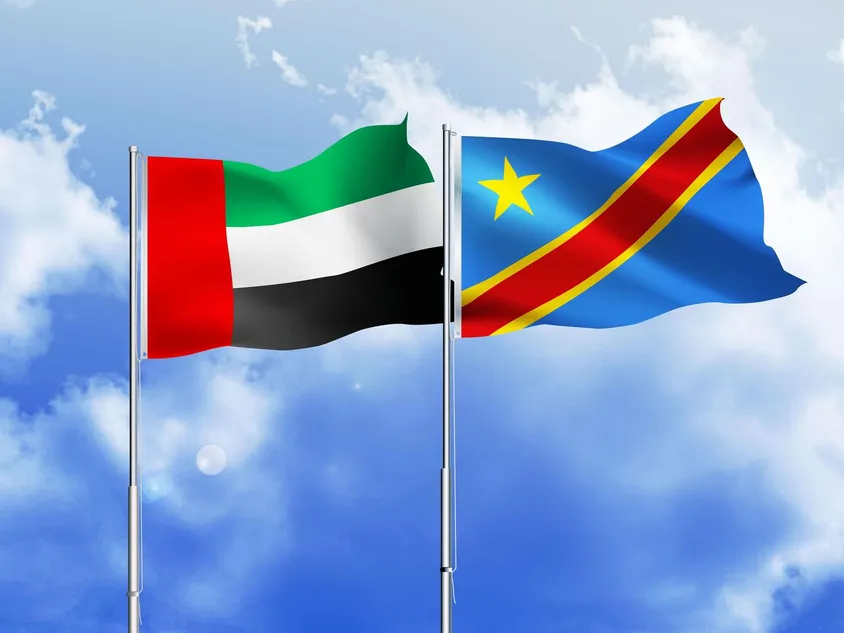
The Comprehensive Economic Partnership Agreement between the UAE and the Democratic Republic of Congo entered into force on October 30, 2026, establishing a new framework for trade and investment between the two countries.
According to the official announcement, the agreement removes tariffs on the vast majority of product lines, harmonises customs procedures and reduces unnecessary trade barriers.
The implementation follows a period of expanding commercial ties. Bilateral non-oil trade reached $3.5 billion in 2025, an increase of 38.5% compared with 2024. Emirates News Agency
The agreement is intended to support further growth in goods trade while encouraging investment in sectors including logistics, energy and manufacturing.
What the UAE–DR Congo Agreement Changes
The CEPA brings tariff reductions and customs cooperation into an operational trade framework.
For businesses, lower tariffs can reduce the cost of qualifying goods, while more consistent customs procedures can make cross-border transactions easier to manage.
However, the announcement does not provide a product-by-product tariff schedule. Its reference to the “vast majority” of product lines should not be interpreted as an exemption for every shipment.
| Area | Announced Objective |
|---|---|
| Tariffs | Remove duties on the vast majority of product lines |
| Customs | Harmonise procedures |
| Trade barriers | Reduce unnecessary obstacles to trade |
| Investment | Facilitate bilateral investment flows |
| Priority sectors | Logistics, energy and manufacturing |
| Effective date | October 30, 2026 |
Businesses will need to check the agreement’s applicable product classifications, origin requirements and customs documentation before claiming preferential treatment.
Agreement Moves From Signing to Implementation
The UAE and the Democratic Republic of Congo signed the CEPA on February 2, 2026, during a ceremony in Abu Dhabi.
The October entry into force marks a separate milestone: the transition from signing the agreement to implementing its provisions. The signing announcement identified opportunities across mining, agriculture and clean energy, alongside broader private-sector cooperation. Emirates News Agency
The latest announcement places particular emphasis on strengthening trade flows and investment connections between the two economies.
Non-Oil Trade Rose 38.5% in 2025
The agreement builds on $3.5 billion in bilateral non-oil trade during 2025.
The Democratic Republic of Congo is a destination for UAE exports including vehicles, machinery, electronics and construction materials.
In the other direction, the UAE serves as a trading channel for Congolese exports such as metals, food, cotton and other agricultural products.
| Trade Direction | Product Categories Highlighted |
|---|---|
| UAE exports to the DRC | Vehicles, machinery, electronics and construction materials |
| DRC exports through the UAE | Metals, food, cotton and other agricultural products |
These existing trade flows provide a starting point for the agreement. Whether they expand further will depend on commercial demand, transport capacity and businesses’ ability to use the new provisions.
Logistics, Energy and Manufacturing Are Priorities
The CEPA is designed to encourage investment as well as trade in goods.
Logistics is a central area because the movement of products depends on reliable transport, storage and distribution. Energy and manufacturing offer potential connections between investment, industrial activity and demand for equipment.
The agreement creates a framework for deeper cooperation, but its entry into force does not itself confirm the approval, financing or completion of individual projects.
Specific investment commitments will require separate announcements and implementation arrangements.
DRC’s Mineral Resources Add Strategic Importance
The Democratic Republic of Congo occupies an important position in mineral supply chains.
The launch announcement describes it as the world’s leading cobalt producer, accounting for more than 70% of global supply, and Africa’s leading copper producer. It also highlights gold, tin, tantalum and tungsten among the country’s resources.
Those minerals connect the DRC to industries ranging from electrical components to energy-transition technologies.
The agreement could support broader commercial relationships around these resources, although the announcement does not disclose specific mineral purchase contracts or processing investments.
Regional Location Offers Wider Commercial Potential
The DRC borders nine countries, giving it a strategic position linking markets across Central and Eastern Africa.
UAE officials see that location as part of the agreement’s appeal for exporters, investors and industrial businesses seeking a larger African presence.
However, the bilateral CEPA does not automatically grant UAE products preferential access to every neighbouring country. Trade beyond the DRC remains subject to the relevant markets’ own customs rules and agreements.
The regional opportunity is therefore commercial and logistical, rather than an automatic extension of the CEPA’s tariff benefits.
UAE Minister Highlights Private-Sector Cooperation
Dr Thani bin Ahmed Al Zeyoudi, UAE Minister of Foreign Trade, said implementation would strengthen access to the DRC and create opportunities for closer private-sector collaboration.
He presented the agreement as part of the UAE’s strategy to connect its economy with markets offering growth potential and to support mutual investment and development.
The emphasis is on building commercial relationships across multiple sectors rather than relying on a single category of exports.
UAE Expands Its CEPA Network
At the time of the announcement, the UAE said it had concluded CEPAs with 40 nations, with 20 in force.
The DRC agreement forms part of that wider effort to establish more integrated trading relationships and diversify international commercial ties.
For businesses, the immediate significance is the availability of a new preferential framework from October 30. The next measure of progress will be how effectively exporters and investors translate those provisions into qualifying shipments, private-sector partnerships and completed projects.
Read Also: UAE Central Bank Fines Foreign Bank Branch AED200 Million Over Compliance Failures