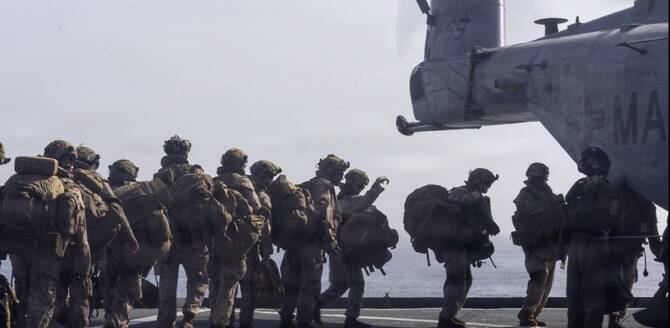
US Strikes on Iran entered a new phase after the United States military announced the conclusion of its latest round of attacks, marking the 11th consecutive night of operations against Iranian targets. The campaign forms part of Washington’s ongoing effort to weaken Tehran’s military capabilities and protect commercial shipping routes in the Gulf.
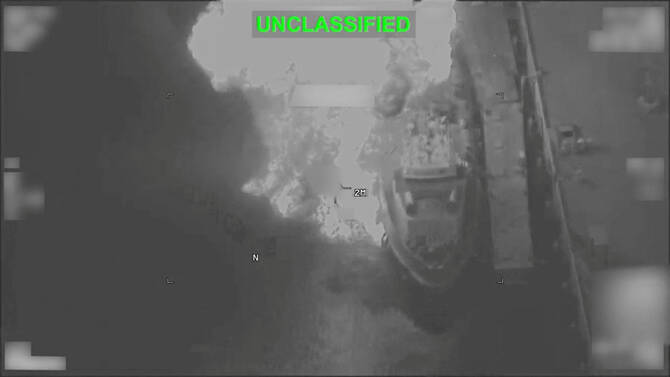
US Central Command (CENTCOM) said Tuesday night’s operation lasted about 75 minutes and targeted multiple military facilities across Iran.
The announcement came as regional tensions remained high following weeks of escalating military exchanges between Iran, the United States and Israel.
US Strikes on Iran Target Military Infrastructure
US Strikes on Iran focused on degrading Tehran’s ability to conduct military operations and threaten international maritime traffic.
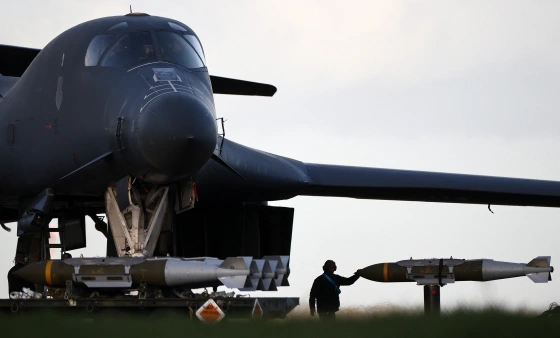
According to CENTCOM, American forces struck military operations centers, aircraft hangars, drone storage facilities, maritime capabilities and logistics infrastructure.
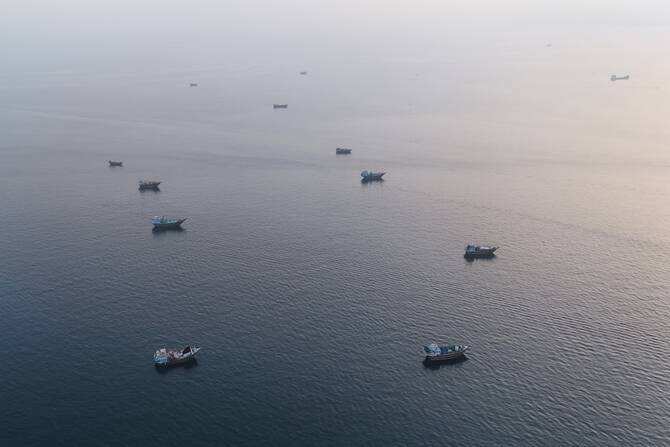
The US military said the objectives aimed to reduce Iran’s operational capacity and protect commercial vessels transiting the Strait of Hormuz.
Washington has accused Iran of attacking more than 30 commercial ships passing through the strategic waterway during the past three months.
The Strait of Hormuz remains one of the world’s busiest energy corridors, carrying a significant share of global crude oil exports.
US Strikes on Iran Follow Months of Escalation
US Strikes on Iran began after the conflict escalated on February 28, when the United States and Israel launched coordinated attacks on Iranian targets.
Iran responded with missile and drone strikes targeting Israel and Gulf countries hosting American military bases.
Since then, both sides have continued exchanging military attacks across several countries in the Middle East.
Military analysts warn that the prolonged conflict has significantly increased regional instability while disrupting international shipping and energy markets.
Civilian Impact Raises International Concerns
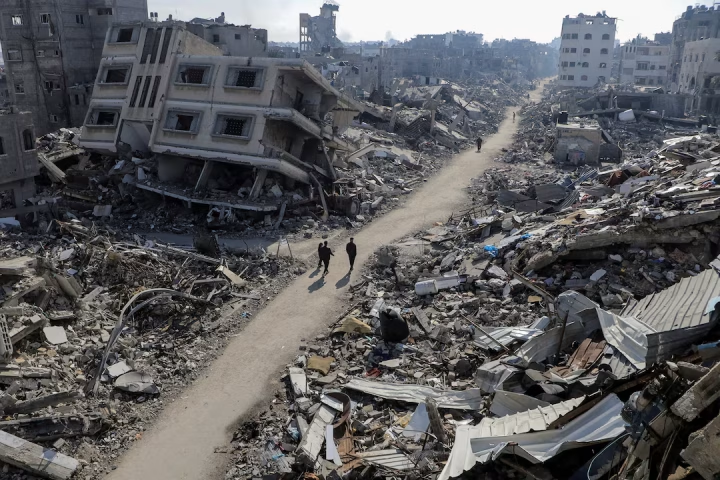
The ongoing US Strikes on Iran have intensified humanitarian concerns.
Iranian health officials said recent American airstrikes killed at least 50 civilians and injured more than 500 others.
The broader conflict has also displaced millions of people across the region as military operations expanded beyond Iran.
Humanitarian organizations continue to call for greater protection of civilians and renewed diplomatic efforts to reduce hostilities.
Independent verification of casualty figures remains difficult because of the ongoing conflict.
US Military Casualties Continue to Rise
The conflict has also taken a growing toll on American forces.
US officials confirmed that 18 American service members have died since the war began.
Several of those fatalities occurred during recent Iranian attacks targeting US military installations in Jordan and Iraq.
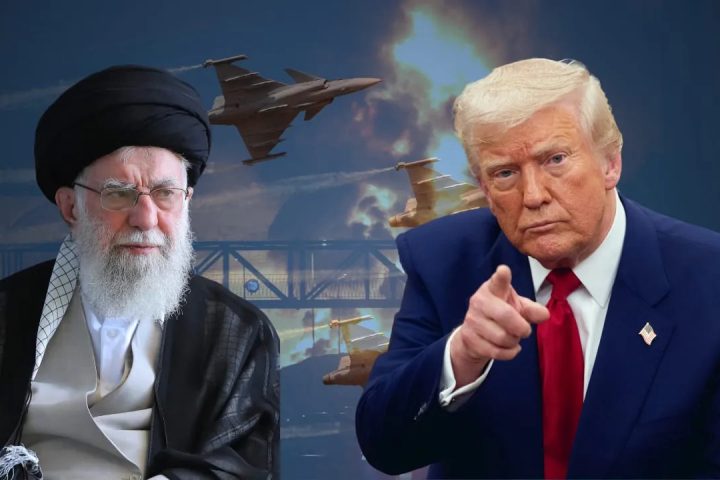
President Donald Trump earlier vowed retaliation following the deaths of American troops during the latest exchanges.
The White House has maintained that military operations will continue until threats against US personnel and commercial shipping decline.
International Law Debate Intensifies
The continued US Strikes on Iran have drawn renewed attention from international legal experts.
Last week, President Trump suggested that future operations could target Iranian energy infrastructure and bridges.
Legal scholars noted that the 1949 Geneva Conventions prohibit attacks on infrastructure considered essential for civilian survival during armed conflict.
Some international law experts have argued that deliberate strikes against protected civilian infrastructure could violate international humanitarian law if not justified by military necessity.
The US government has not announced any attacks on such facilities during the latest operation.
US Strikes on Iran Keep Region on Edge
US Strikes on Iran remain central to one of the most volatile conflicts in the Middle East.
Although the latest round of attacks has concluded, officials have not indicated whether future military operations are being planned.
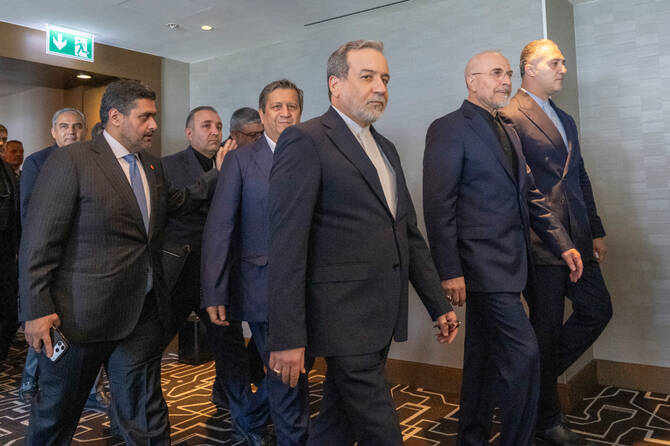
Diplomatic efforts to reduce tensions have produced little progress as both Washington and Tehran continue exchanging military threats alongside limited mediation initiatives.
Energy markets, commercial shipping companies and regional governments continue monitoring developments closely as uncertainty surrounds the next phase of the conflict.
The end of the latest operation may provide a brief pause in airstrikes, but the broader confrontation between the United States and Iran remains far from resolved.