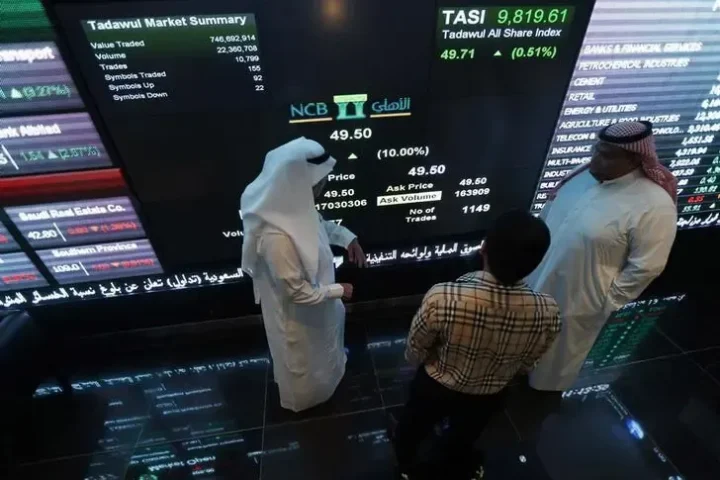
The UAE’s October 2026 Treasury sukuk and bonds auction attracted AED4.54 billion in bids, approximately $1.24 billion, against a combined issuance of AED1.1 billion.
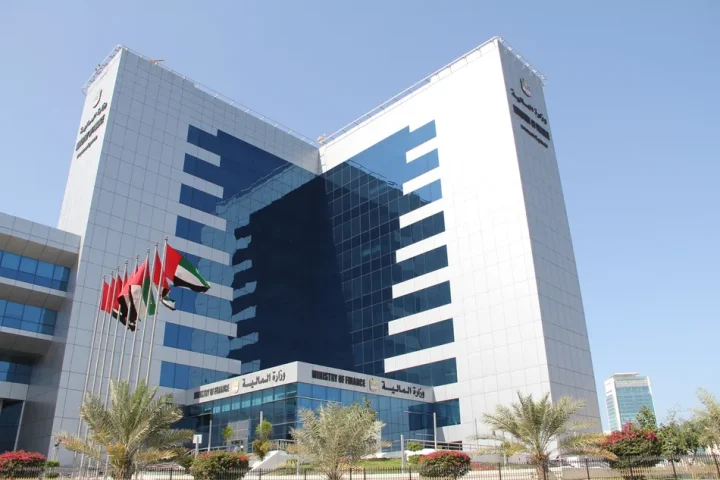
The Ministry of Finance announced the results on October 31, reporting demand equivalent to 4.1 times the amount issued. The auction covered Islamic Treasury sukuk maturing in October 2029 and conventional Treasury bonds maturing in January 2031.
The ministry acted as issuer, while the Central Bank of the UAE served as issuing and payment agent.
The result demonstrates strong bidding for the two government securities. However, the bid total represents investor demand, not the amount of financing raised.
UAE October Auction Results at a Glance
| Measure | Auction result |
|---|---|
| Total issuance | AED1.1 billion |
| Total bids | AED4.54 billion |
| Reported subscription coverage | 4.1 times |
| Sukuk maturity | October 2029 |
| Sukuk yield to maturity | 4.95% |
| Bond maturity | January 2031 |
| Bond yield to maturity | 5.05% |
| Currency | UAE dirham |
| Listing venue | Nasdaq Dubai |
Primary dealers participated in both tranches. The Ministry of Finance said the demand reflected confidence in the UAE’s creditworthiness and its Islamic finance framework.
Bids Exceeded the Issuance by AED3.44 Billion
The auction received approximately AED4.13 in bids for every AED1 issued, consistent with the ministry’s rounded coverage figure of 4.1 times.
Total bids exceeded the issuance amount by AED3.44 billion.
The difference between the two headline figures is important:
- AED4.54 billion measures the value of bids submitted.
- AED1.1 billion measures the combined securities issued.
The UAE therefore did not raise AED4.54 billion through this auction. The larger number indicates the level of demand relative to the amount available.
Strong subscription coverage is a useful measure of auction participation, although it does not independently predict future trading volumes or prices.
Sukuk and Bonds Priced at Yields Near 5%
The new T-Sukuk tranche maturing in October 2029 priced at a 4.95% yield to maturity.
The T-Bond tranche maturing in January 2031 priced at 5.05%.
The ministry reported spreads of 19 basis points and 26 basis points, respectively, above comparable US Treasuries at the time of issuance.
| Instrument | Yield to maturity | Spread above comparable US Treasuries |
|---|---|---|
| October 2029 T-Sukuk | 4.95% | 19 basis points |
| January 2031 T-Bonds | 5.05% | 26 basis points |
One basis point equals 0.01 percentage points. The reported spreads therefore correspond to 0.19 and 0.26 percentage points above the relevant US benchmarks.
These comparisons describe pricing at issuance. Market yields and spreads can subsequently change.
What Does Yield to Maturity Mean?
Yield to maturity, or YTM, is the annualised return implied by a security’s purchase price and scheduled payments through maturity, subject to the assumptions used in the calculation.
It is not necessarily the same as the instrument’s coupon or periodic distribution rate.
For someone buying later in the secondary market, a different purchase price can produce a different yield. Selling before maturity can also result in a return that differs from the yield quoted at auction.
The announced 4.95% and 5.05% figures should therefore be understood as auction pricing measures, rather than returns automatically available to every subsequent buyer.
What Is the Difference Between T-Sukuk and T-Bonds?
Both instruments form part of the UAE’s government securities market, but their structures differ.
Treasury bonds are conventional debt securities. Treasury sukuk use a Sharia-compliant structure, with the specific rights and payment arrangements set out in their documentation.
| Feature | T-Sukuk | T-Bonds |
|---|---|---|
| General structure | Sharia-compliant certificates | Conventional debt securities |
| October auction maturity | October 2029 | January 2031 |
| Auction YTM | 4.95% | 5.05% |
| Denomination | UAE dirham | UAE dirham |
Offering both formats broadens the range of government instruments available to investors with different mandates.
The Ministry of Finance’s issuance programme sets out scheduled auctions for dirham-denominated T-Bonds and T-Sukuk and provides a calendar for eligible investors.
Nasdaq Dubai Listing Supports Secondary-Market Access
The ministry said the securities are listed on Nasdaq Dubai, providing a venue for secondary-market access.
The secondary market allows securities to change hands after their initial issuance.
A listing can make an instrument more accessible through the relevant market infrastructure, but it does not guarantee that a buyer or seller will always find sufficient trading interest at a preferred price.
Actual access also depends on the investor’s intermediary, account arrangements and applicable eligibility requirements.
Why the Auction Matters for the UAE Debt Market
Regular government issuance helps establish reference yields for borrowing in the local currency.
A yield curve shows how yields vary across maturities. Adding and maintaining securities at different maturities helps market participants compare shorter- and longer-term financing costs.
For banks, companies and investors, those government benchmarks can support pricing decisions elsewhere in the dirham debt market.
The Ministry of Finance says its Treasury programmes are intended to strengthen the domestic capital market and support the development of the UAE’s dirham-denominated yield curve.
The October auction contributes to that process by providing pricing observations for two different maturities and instrument types.
What the Results Show—and What They Do Not
The results establish that primary-dealer bids comfortably exceeded the amount issued.
They also provide clear information about maturities, auction yields and spreads against comparable US Treasuries.
However, the announcement does not provide a detailed breakdown of demand by investor category or geography. The aggregate bid figure alone cannot show how much interest came from particular types of underlying investors.
Similarly, strong auction demand does not mean market prices will remain unchanged. Government securities can fluctuate as interest rates, liquidity conditions and investor expectations change.
What to Watch in Future Auctions
Future results will provide further evidence of demand for UAE dirham government securities.
Useful measures include:
- The value of bids relative to issuance.
- Yields for comparable maturities.
- Spreads against relevant benchmarks.
- The mix of new tranches and reopened securities.
- Secondary-market activity.
Comparisons should account for changes in maturity and market conditions. A higher yield at a later auction does not necessarily indicate weaker demand, just as a lower yield does not by itself establish stronger demand.
For October, the main result is clear: AED4.54 billion in bids supported an AED1.1 billion issuance, with both sukuk and conventional bonds attracting participation.
Frequently Asked Questions
How much did the UAE issue in the October 2026 auction?
The combined issuance was AED1.1 billion.
How much demand did the auction attract?
Total bids reached AED4.54 billion, approximately 4.1 times the issuance amount.
What was the sukuk yield?
The T-Sukuk maturing in October 2029 priced at a 4.95% yield to maturity.
What was the Treasury bond yield?
The T-Bonds maturing in January 2031 priced at a 5.05% yield to maturity.
Who issued the securities?
The UAE Ministry of Finance acted as issuer. The Central Bank of the UAE acted as issuing and payment agent.
Where are the securities listed?
The ministry said the securities are listed on Nasdaq Dubai.
Does AED4.54 billion in bids mean the UAE raised that amount?
No. Bids measure demand. The amount issued was AED1.1 billion.
Is the auction yield guaranteed for later buyers?
No. A later buyer’s yield depends on the purchase price and the security’s remaining payments, while selling before maturity can produce a different return.
Read Also: Aramco Acquires 49% of HUMAIN With $2.6 Billion Cash Contribution and AI Assets