US troop deaths have climbed to 16 after two more American service members were killed in Jordan, underscoring the growing human cost of the ongoing conflict between the United States and Iran.
The latest fatalities were confirmed by the US military on Saturday, marking another deadly chapter in a war that has largely unfolded through airstrikes, drones, ballistic missiles and long-range attacks rather than large-scale ground combat.
The conflict, which began on February 28 following the collapse of diplomatic efforts between Washington and Tehran, has spread across the Middle East and placed American forces stationed in allied countries under constant threat.
US Troop Deaths Increase After Jordan Attack
According to the US Central Command (CENTCOM), the two service members died while defending against Iranian missile and drone attacks targeting military positions in Jordan.
The military also confirmed that another American service member remains missing following the same assault.
CENTCOM said it would withhold the identities of the deceased until their families had been formally notified, in line with military protocol.
The latest casualties raise the total number of US troop deaths since the conflict began to 16, while more than 430 American service members have reportedly sustained injuries during the war.
Timeline of Casualties Since the Iran War Began
The first American fatalities occurred shortly after hostilities erupted in late February.
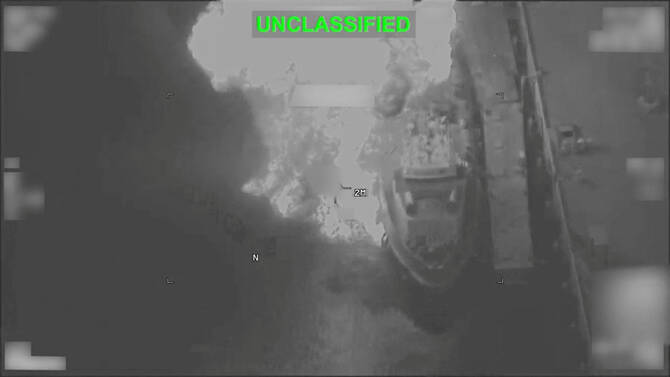
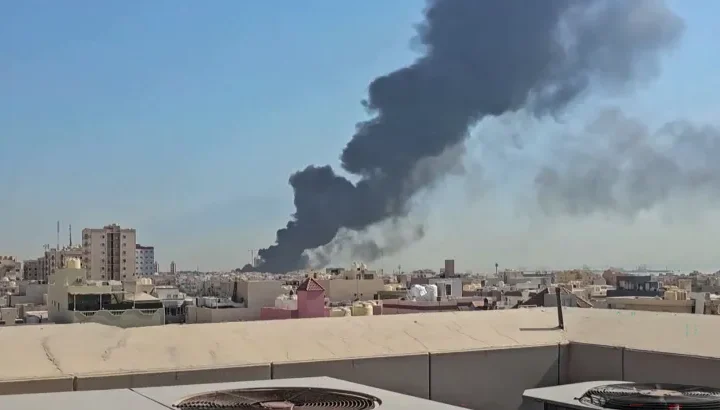
An Iranian drone strike on a civilian port in Kuwait killed six US soldiers assigned to a logistics and supply unit from Iowa. The troops were operating from a temporary shipping-container facility that reportedly lacked defensive protection.
A seventh soldier later died from injuries sustained during a missile attack on Prince Sultan Air Base in Saudi Arabia on March 1.
The conflict escalated further later in March when a KC-135 aerial refuelling aircraft crashed in Iraq while supporting US military operations. The crash claimed the lives of six additional service members. Military officials said the aircraft was flying in friendly airspace when an incident involving another aircraft occurred.
Earlier this month, the US Navy also confirmed the death of a pilot after a helicopter crashed into the Arabian Sea during what officials described as an emergency landing. Three other crew members survived the incident.
The latest attack in Jordan now pushes the cumulative US troop deaths to 16.
Trump Defends Military Campaign Against Iran
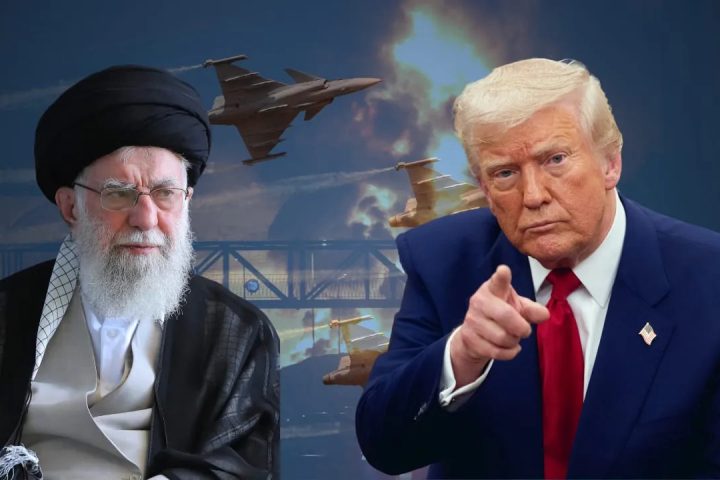
President Donald Trump has repeatedly defended the military campaign, insisting it remains necessary to prevent Iran from acquiring nuclear weapons.
Although the White House has not issued a separate presidential statement following the latest fatalities, officials referred reporters to the statement released by CENTCOM.
Trump has maintained that military pressure remains essential after negotiations with Tehran failed to produce a lasting agreement.
The conflict has intensified in recent weeks, with both nations exchanging strikes across several locations in the Middle East.
Regional Conflict Continues to Widen
The war has affected countries beyond the United States and Iran.
American military bases across the Gulf have become potential targets for Iranian retaliation because of Washington’s military presence throughout the region.
Iranian authorities say US airstrikes have killed at least 50 people and injured more than 500 over the past three weeks. Among the victims were eight civilians reportedly killed in a strike on a bridge on Friday.
The conflict has also claimed the lives of commercial shipping workers, foreign nationals, and civilians in Israel, Lebanon and several Gulf states, highlighting its expanding regional impact.
Military Operations Rely on Air Power
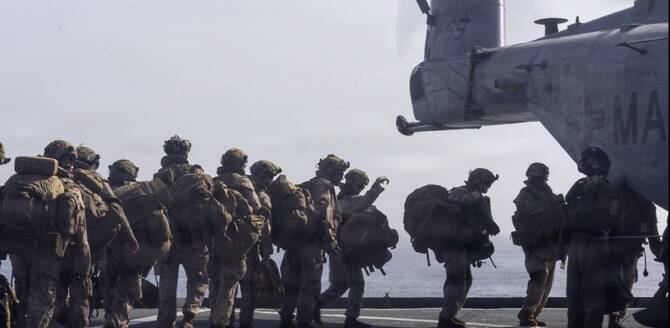
Unlike previous conflicts involving prolonged ground deployments, the Iran war has relied heavily on advanced military technology.
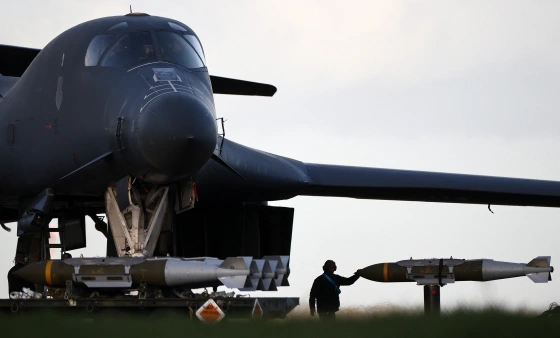
Drone warfare, missile exchanges, airstrikes and naval operations have dominated the battlefield, allowing both sides to project force across the region without deploying large numbers of ground troops.
Despite this strategy, the rising number of US troop deaths demonstrates that American personnel stationed throughout the Middle East continue to face significant risks from missile attacks and unmanned aerial systems.
Security analysts warn that unless diplomatic efforts resume, the conflict could expand further and place additional US forces and regional allies in danger.
The latest casualties are likely to intensify debates in Washington over the cost of the war and the long-term US military presence in the Middle East.