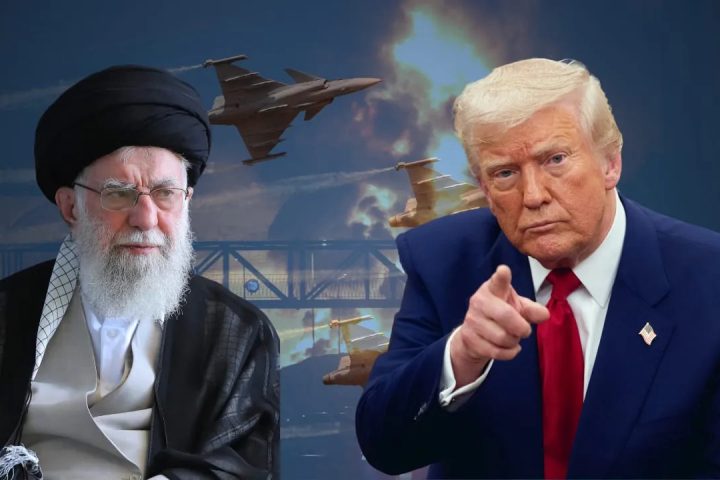
Iran Crisis Talks remain on the table despite growing military confrontation, with US Secretary of State Marco Rubio insisting Washington is prepared to negotiate if Tehran demonstrates genuine commitment to diplomacy.
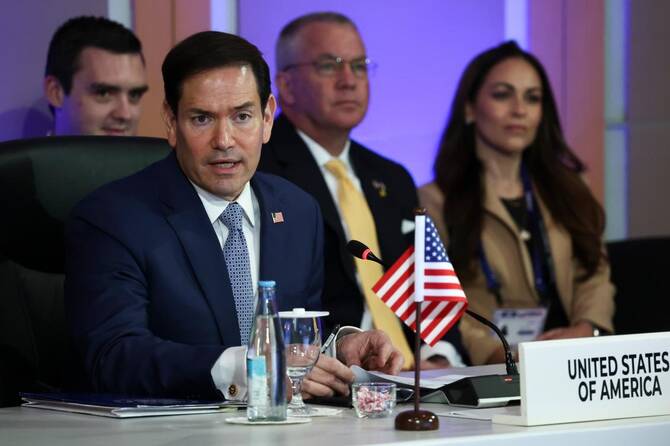
Speaking during a meeting of Southeast Asian foreign ministers in Manila on Wednesday, Rubio said the United States remains open to ending the conflict through negotiations. However, he argued that Iran has yet to show serious intent to reach a diplomatic settlement.
His remarks came as fighting intensified across the Middle East, threatening two of the world’s most important energy corridors and raising fresh concerns about global oil supplies.
Iran Crisis Talks Face Diplomatic Deadlock
Iran Crisis Talks have struggled to gain momentum despite mediation efforts by several countries.
Rubio stressed that Washington has consistently supported diplomatic engagement but questioned Tehran’s willingness to negotiate in good faith.
“The problem we’re having right now is that they’re not serious about talks. If they’re serious, we’re serious. If they’re not, then we will do what’s necessary to protect our interests and those of our allies,” Rubio said.
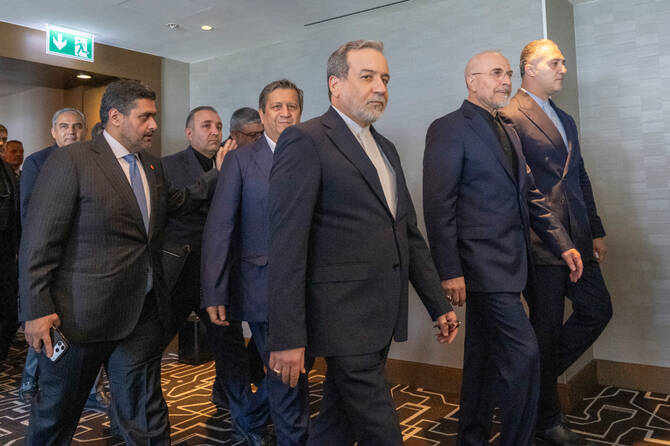
Iranian officials have maintained that diplomatic channels remain open.
A senior Iranian official recently disclosed that mediators proposed a 10-day ceasefire aimed at preserving the interim agreement signed between Washington and Tehran in June after an earlier ceasefire arrangement collapsed.
Iran’s Interior Minister Eskandar Momeni also visited Pakistan, urging Islamabad to continue mediation efforts between both countries.
Iran Crisis Talks Coincide With Maritime Tensions
Iran Crisis Talks continue as tensions spread across key international shipping routes.
The Iran-backed Houthi movement in Yemen announced a naval blockade targeting shipping in the Red Sea, particularly vessels linked to Saudi Arabia.
The announcement heightened fears over disruptions to global energy exports.
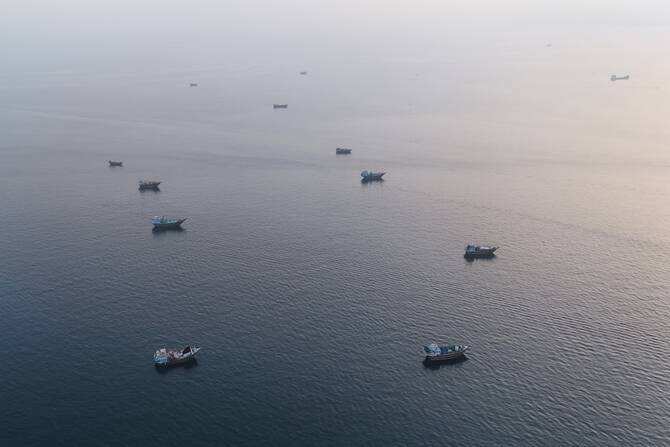
The Red Sea serves as a critical alternative shipping route while tensions remain high in the Strait of Hormuz, where Iran has repeatedly threatened maritime traffic.
Rubio warned that allowing any country to control international waterways would establish a dangerous precedent with global consequences.
He argued that such actions could encourage similar disputes elsewhere, including the South China Sea, where several Southeast Asian nations have competing territorial claims with China.
Military Operations Continue Across the Region
Despite ongoing Iran Crisis Talks, military operations intensified overnight.
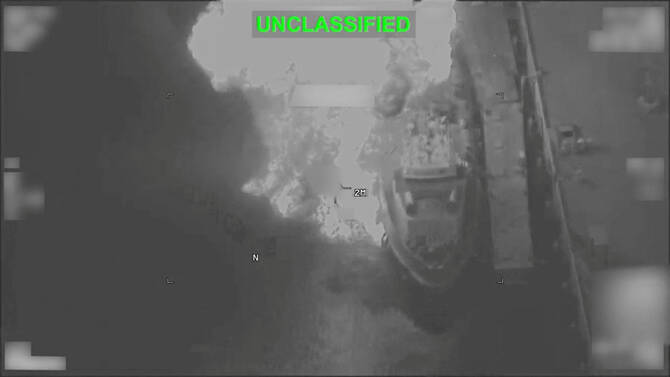
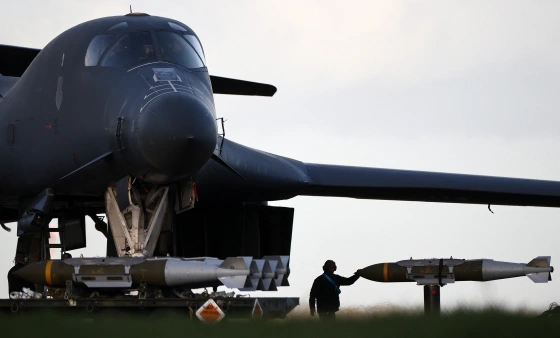
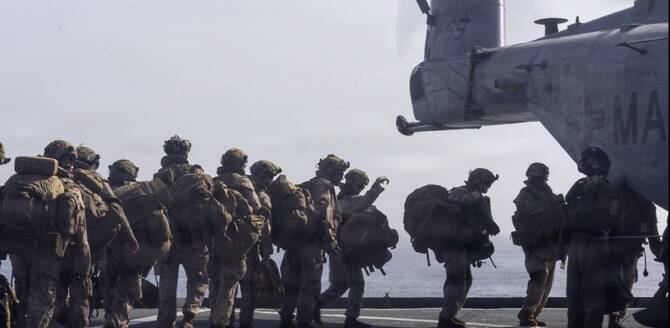
The US military launched another round of airstrikes against Iranian targets, marking the eleventh consecutive night of attacks.
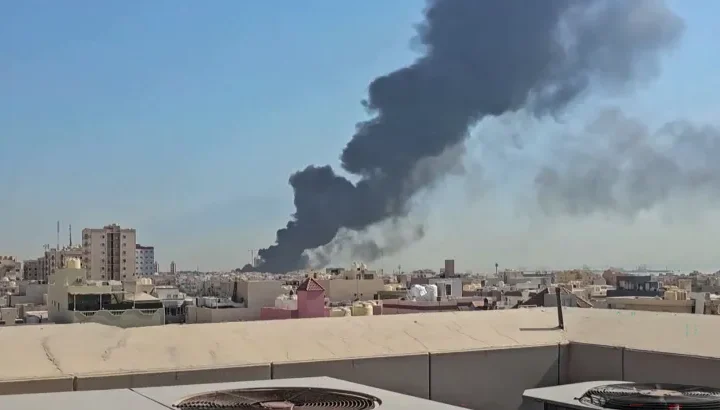
Residents in Tehran reported multiple explosions as Iranian air defense systems responded to incoming strikes.
Iranian media also reported explosions in Chabahar, Konarak and Bushehr, home to the country’s only nuclear power plant.
Meanwhile, Iran continued retaliatory operations against US interests in the region.
Tehran earlier launched attacks targeting American military installations in Bahrain, Kuwait and Jordan.
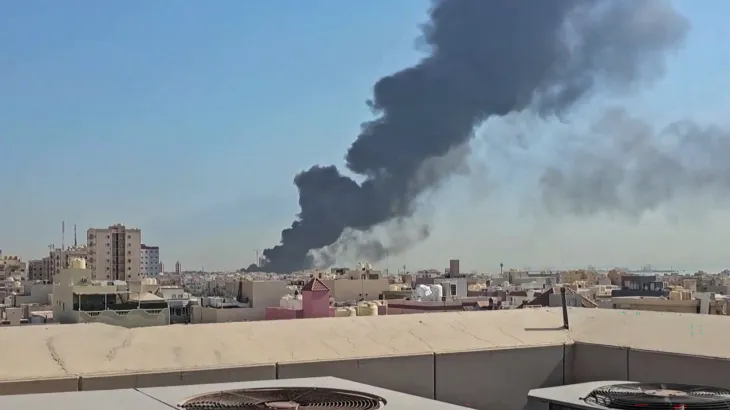
Iran also claimed responsibility for striking infrastructure connected to Amazon’s regional data center in Bahrain, although Reuters could not independently verify the claim and Amazon declined immediate comment.
Rising Casualties Deepen the Crisis
The conflict has continued to exact a growing human cost.
President Donald Trump confirmed that 18 US service members have died since hostilities began.
According to US officials, four of those fatalities occurred during recent Iranian attacks on military facilities in Jordan and Iraq.
Military analysts warn that continued escalation could further destabilize the region while increasing pressure on diplomatic efforts to secure a ceasefire.
Red Sea Blockade Raises Global Energy Concerns
The Houthi movement has threatened to attack vessels transporting Saudi oil through the Bab el-Mandeb Strait, one of the world’s busiest maritime chokepoints.
In a warning issued to international shipping companies, the group said it would target ships loading or unloading Saudi crude.
President Trump acknowledged the threat but said the Houthis had not yet fully blocked the strategic waterway.
“So far it hasn’t happened,” Trump said.
“If something like that happens, we take care of it.”
Energy analysts warn that any prolonged disruption to either the Strait of Hormuz or the Bab el-Mandeb could tighten global oil supplies and drive energy prices higher.
Iran Crisis Talks Remain Critical
Iran Crisis Talks remain central to efforts to prevent a wider regional conflict.
While Washington continues to express readiness for negotiations, military operations on both sides have overshadowed diplomatic initiatives.
The coming days will likely determine whether mediation efforts can produce a temporary ceasefire or whether the conflict will continue expanding across the Middle East, placing additional pressure on global energy markets and regional security.