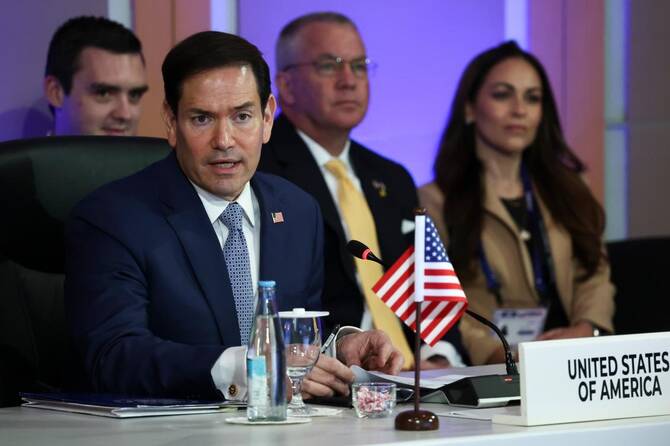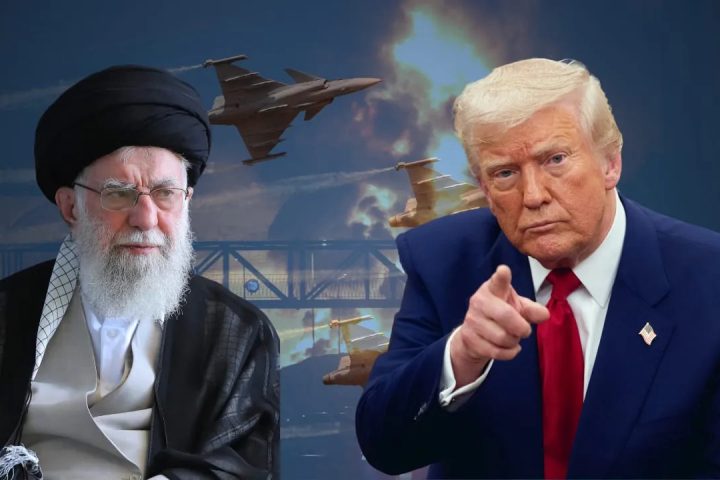
Iran War Cost has climbed to an estimated $37.5 billion, according to US Defense Secretary Pete Hegseth, who told lawmakers that the Pentagon urgently needs additional funding to sustain military operations through September.
The updated estimate, presented during a Senate Appropriations Committee hearing on Tuesday, marks a significant increase from the nearly $29 billion reported in mid-May. The rising Iran War Cost reflects the financial burden of the ongoing conflict as Washington continues military operations across the Middle East.
Hegseth defended the administration’s request for $67 billion in supplemental defense funding, arguing that the money is essential to maintain combat operations and military readiness.
Iran War Cost Surges Beyond Earlier Estimates
Hegseth told senators that the latest assessment places the Iran War Cost at $37.5 billion, highlighting the rapidly increasing expenses associated with the conflict.
The Defense Secretary said the Pentagon requires emergency funding to cover operational costs through the end of the current fiscal period in September.
General Dan Caine, Chairman of the Joint Chiefs of Staff, supported the request, describing the additional funding as both urgent and necessary.
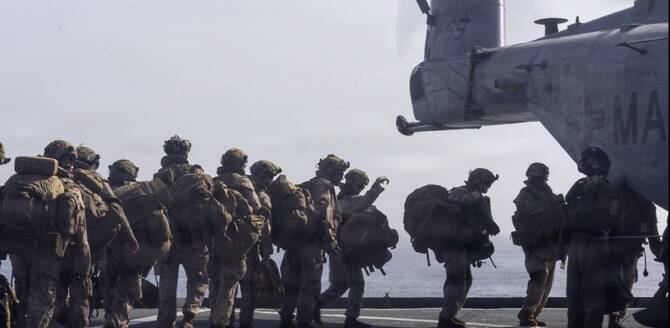
Military officials argued that ongoing operations require sustained financial support as the conflict continues without a clear resolution.
Pentagon Defends Emergency Funding Request
The Pentagon is seeking approximately $67 billion in supplemental appropriations from Congress.
According to Hegseth, the funding would cover operational expenses related to the Iran conflict but would not include future reconstruction costs for damaged US military installations across the Middle East.
He explained that existing defense resources have already been committed to other strategic priorities.
Those priorities include the Trump administration’s Golden Dome for America missile defense initiative, hypersonic weapons development, and investments in advanced munitions.
Iran War Cost Sparks Sharp Senate Debate
The growing Iran War Cost triggered intense questioning from lawmakers during the hearing.
Democratic Senator Jeanne Shaheen challenged the Pentagon’s funding request, arguing that the Defense Department still has approximately $75 billion in unspent appropriations.
She questioned why taxpayers should finance additional military spending instead of allowing the Pentagon to reallocate existing funds.
Shaheen also suggested that many Americans remain skeptical about the ongoing conflict and its financial implications.
Hegseth rejected the proposal, saying the unspent funding has already been designated for other national defense priorities and cannot be redirected without affecting critical programs.
Lawmakers Demand Greater Transparency
Concerns over the administration’s military strategy crossed party lines during the hearing.
Republican Senator John Kennedy called for clearer explanations about Washington’s long-term objectives in the conflict.
He pressed military leaders to explain what would happen if the United States withdrew its naval presence from the Strait of Hormuz, one of the world’s most strategically important shipping lanes.
Kennedy urged Pentagon officials to provide straightforward answers regarding future military planning and regional security.
Strait of Hormuz Remains Central to Conflict
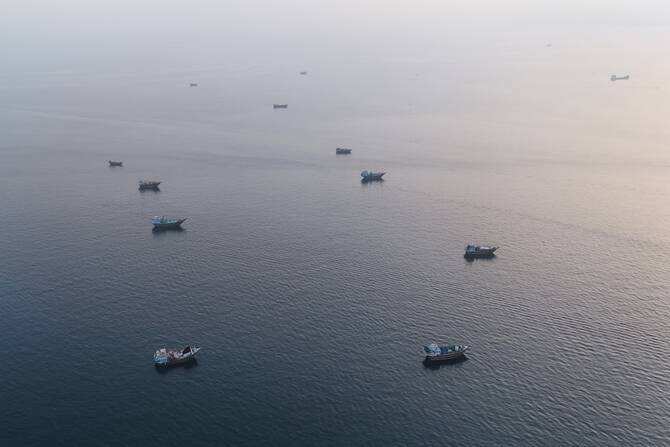
The Strait of Hormuz continues to play a central role in the ongoing conflict.
The narrow waterway serves as one of the world’s busiest energy corridors, carrying a substantial share of global oil exports.
Lawmakers questioned whether Iran could eventually impose transit fees or restrictions on commercial vessels using the passage.
However, Hegseth and General Caine declined to provide specific assessments regarding Tehran’s future intentions or potential maritime policies.
Their reluctance underscored the uncertainty surrounding the evolving security situation in the Gulf.
Iran War Cost Expected to Keep Rising
Defense analysts believe the Iran War Cost could continue increasing if military operations persist beyond the current funding period.
Additional expenses may include replenishing precision-guided weapons, supporting deployed forces, strengthening regional military bases, and maintaining naval operations throughout the Gulf.
The Pentagon has not yet provided an estimate for rebuilding damaged military infrastructure or covering longer-term operational requirements.
As Congress debates the emergency funding package, the growing Iran War Cost is expected to remain a key issue in discussions over US defense spending, military strategy, and America’s role in the expanding Middle East conflict.