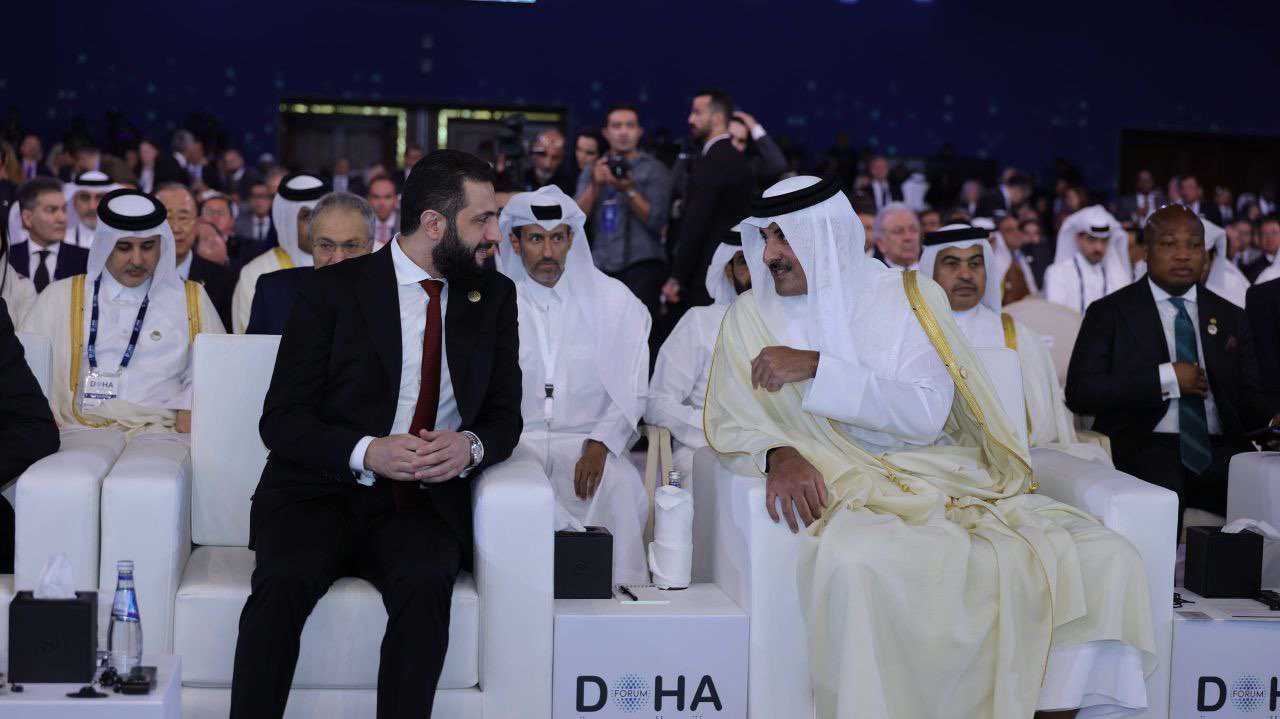
DOHA: Qatar’s diplomatic prominence at the Doha Forum reflects a fundamental transformation in how small states can leverage economic resources to achieve outsized geopolitical influence. Under Amir Sheikh Tamim bin Hamad Al Thani’s leadership, Doha has evolved from a regional energy supplier into a global diplomatic nexus, systematically converting hydrocarbon wealth into institutional power, strategic partnerships, and conflict resolution capabilities that reshape Middle Eastern dynamics.
The Forum’s success in hosting contentious exchanges including Mohammad Javad Zarif’s challenge to Arab governments and sharp GCC rebuttals demonstrates Qatar’s mastery of what might be termed “convening capitalism.” This approach transforms diplomatic facilitation into economic opportunity by creating neutral platforms where adversaries can engage without compromising their positions while Qatar builds relationships with all parties simultaneously.
Qatar’s Gaza mediation exemplifies this strategic evolution most clearly. The country’s ability to maintain dialogue with Hamas while coordinating closely with Washington has generated substantial economic and diplomatic dividends beyond immediate conflict resolution. Qatar’s humanitarian commitments in Gaza estimated at over $1.8 billion since 2012 have established enduring influence over Palestinian governance structures while positioning Doha as an indispensable mediator for Western powers seeking regional engagement.
This mediation model has created significant business opportunities across multiple sectors. Qatar’s reconstruction commitments in Gaza, contingent on sustainable ceasefire arrangements, have positioned Qatari construction firms, infrastructure developers, and financial institutions for substantial post-conflict contracts. The Qatar Development Fund and Qatar Charity have become integral components of Palestinian economic planning, creating dependencies that translate into long-term political influence.
More strategically, Qatar’s Gaza role has opened unprecedented access to Western policymaking circles. European and American officials increasingly view Doha as their primary regional interlocutor for Middle Eastern crisis management, translating into enhanced investment flows, technology transfers, and partnership opportunities. Qatar’s 2024 designation as a Major Non-NATO Ally by the United States reflects this deepening strategic relationship, providing preferential access to defense technologies and investment opportunities worth billions annually.
The economic foundations of Qatar’s diplomatic ascendancy extend far beyond energy exports. The Qatar Investment Authority’s $475 billion sovereign wealth fund has become a strategic instrument of statecraft, with carefully calibrated investments creating stakeholder relationships across target economies. Recent partnerships include major infrastructure projects in Turkey, technology investments in European markets, and energy transition financing across Africa and Asia.
These investment patterns reveal Qatar’s systematic approach to building diplomatic leverage through economic interdependence. Rather than pursuing purely commercial returns, QIA investments often target strategically sensitive sectors media companies, technology platforms, infrastructure networks that generate political influence alongside financial gains. Qatar’s acquisition of significant stakes in European banks, Asian technology firms, and African energy projects creates networks of economic stakeholders with interests in maintaining positive Qatar relationships.
The Doha Forum itself represents this investment-diplomacy synthesis. The event has evolved from a regional policy conference into a global platform that attracts world leaders, multinational executives, and institutional investors seeking access to Qatar’s economic networks. Corporate sponsors and participants increasingly view Forum attendance as essential for accessing Gulf capital markets and infrastructure opportunities, creating self-reinforcing incentives for continued engagement with Qatar’s diplomatic initiatives.
Qatar’s energy diplomacy demonstrates how hydrocarbon resources can be leveraged for sustained geopolitical influence rather than merely short-term revenue generation. The country’s long-term LNG contracts extending 20-25 years with major importers create structural dependencies that translate into political relationships. Qatar’s expansion of LNG production capacity to 126 million tons annually by 2027 will further strengthen these leverage mechanisms while providing resources for continued diplomatic investment.
The 2022 World Cup exemplifies Qatar’s strategic use of mega-events to accelerate economic transformation while building global relationships. The tournament’s $220 billion infrastructure investment created lasting capabilities in logistics, hospitality, and technology that now support Qatar’s diplomatic activities. The new airports, hotels, and communication systems developed for the World Cup provide the physical infrastructure necessary for Qatar’s role as a regional diplomatic hub.
Qatar’s approach to economic statecraft extends to humanitarian leadership that generates both moral authority and business opportunities. The Qatar Fund for Development has committed over $2.5 billion to post-conflict reconstruction projects across the Middle East, Africa, and Asia. These investments create long-term economic relationships while establishing Qatar’s reputation as a reliable partner for crisis response and development financing.
The country’s food security initiatives demonstrate how domestic vulnerabilities can be transformed into diplomatic assets. Qatar’s massive agricultural investments across Africa, South America, and Central Asia driven by the 2017 blockade experience—now provide food security for Qatar while creating economic partnerships that translate into political support. These agricultural ventures employ thousands locally while establishing Qatar’s presence in strategically important regions.
Qatar’s technological investments reveal sophisticated understanding of how emerging sectors can amplify diplomatic influence. The Qatar National Research Fund’s partnerships with leading universities and technology companies create networks of academic and industry relationships that extend Qatar’s soft power reach. Investments in artificial intelligence, renewable energy, and biotechnology position Qatar at the forefront of technological transitions while building relationships with innovation leaders.
-WNN Desk