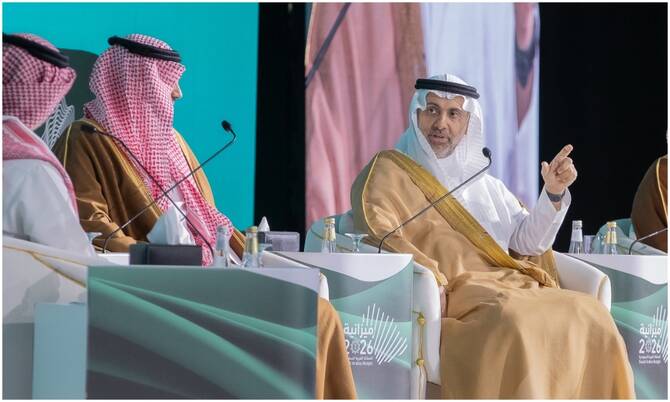
In 2025,Saudi Arabia marked a significant milestone in its healthcare progress as the country’s life expectancy reached an impressive 79.7 years. This rise from 74 years in 2016 is one of the most notable increases globally, a testament to the nation’s commitment to healthcare reform and expansion under the ambitious Vision 2030 plan. The announcement was made by Health Minister Fahd Al-Jalajel during the 2026 Budget Forum in Riyadh, highlighting the government’s successful investments aimed at improving the nation’s health system and life quality.
A Robust Healthcare Transformation Driven by Vision 2030
The surge in life expectancy is one of the clearest outcomes of Saudi Arabia’s Vision 2030, which has been pivotal in reshaping the country’s healthcare infrastructure. As part of this vision, the government has prioritized comprehensive investments across various sectors, including health, to ensure better access to services, enhance outcomes, and promote preventive care. These measures have paid off in the form of improved life expectancy and an overall better quality of life for citizens.
Minister Al-Jalajel emphasized that the improvement in life expectancy is part of a broader effort to strengthen the health system, increase accessibility, and combat public health challenges. The government’s role in the healthcare transformation is evident, as it continues to roll out innovative health policies and programs that directly benefit the population.
Key Achievements in Public Health
Several key metrics demonstrate the significant strides made in Saudi Arabia’s health sector over the past decade. Among the most striking is the reduction in traffic-related fatalities, which have fallen by an astounding 60% since 2016. The country’s concerted efforts to improve road safety, enforce traffic regulations, and enhance emergency response systems have played a crucial role in lowering mortality rates due to accidents.
Infectious diseases, once a major health concern, have also seen dramatic reductions, with related deaths halved over the same period. This success is attributed to robust public health initiatives, including widespread vaccination programs, improved sanitation, and better disease surveillance. The Kingdom has not only strengthened its infectious disease control measures but has also made significant inroads in addressing noncommunicable diseases (NCDs), which are now less of a leading cause of death. Mortality from NCDs has decreased by 40%, thanks to early detection, lifestyle interventions, and enhanced medical treatments.
Additionally, unintentional injuries, previously a significant cause of death, have seen a 30% drop. These improvements reflect a nation-wide commitment to injury prevention and safety education, along with a strengthened healthcare system capable of providing timely and effective treatment.
Expanding Healthcare Access and Infrastructure
Healthcare access has also significantly improved, with coverage now reaching an impressive 97.4% of the population. This broad coverage is part of the government’s strategy to ensure that all citizens, regardless of location or socioeconomic status, have access to the necessary medical services. The expansion of the public health system is matched by rapid developments in the private sector, with over 2,900 additional beds added to private hospitals since the beginning of 2025.
The Saudi Red Crescent, the Kingdom’s emergency medical response organization, has also made substantial advancements in reducing response times. The average emergency response time has been slashed from 25 minutes in 2016 to just 10 minutes this year, greatly improving the chances of survival for those experiencing medical emergencies.
Furthermore, the country’s surgical capacity has doubled, from 6,000 to 12,000 weekly operations, allowing more people to receive life-saving surgeries in a timely manner. In fact, 90% of surgeries are now meeting national timing standards, a significant improvement from just 60% in 2016. This rise in surgical capacity is crucial for meeting the growing demand for medical procedures and improving healthcare outcomes.
Looking Toward a Healthier Future
Looking ahead to 2026 and beyond, Saudi Arabia’s health sector is focused on continuing to enhance service sustainability, expand access, and build capabilities in line with the country’s vision of becoming a regional and global health destination. Minister Al-Jalajel reaffirmed that the 2026 budget would be a critical step forward, ensuring that the health system is well-equipped to meet future challenges and continue the progress made thus far.
Under Vision 2030, Saudi Arabia aims to be recognized not only for its economic and cultural development but also for its leadership in healthcare excellence. With the government’s continued commitment to improving public health, the Kingdom is well on its way to establishing itself as a global hub for health and wellness, providing high-quality care to both its citizens and international visitors.