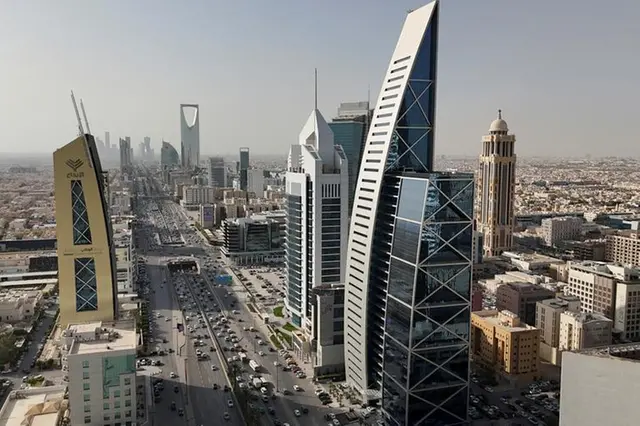
Moody’s Ratings has reaffirmed Saudi Arabia’s sovereign credit rating at Aa3 with a stable outlook, reinforcing international confidence in the kingdom’s economic resilience despite ongoing geopolitical tensions across the Middle East.
The ratings agency said Saudi Arabia’s strong fiscal position, vast hydrocarbon reserves, and continued progress under Vision 2030 were central factors supporting the decision.
According to the assessment, the kingdom continues to benefit from its position as one of the world’s leading energy producers while simultaneously advancing economic diversification reforms aimed at reducing long-term dependence on oil revenues.
Moody’s Highlights Strength of Saudi Economy
In its latest evaluation, Moody’s Ratings described Saudi Arabia as a “large and wealthy economy” with substantial financial capacity and a highly competitive position in global energy markets.
The agency emphasized several core strengths supporting the country’s Aa3 rating:
- Vast hydrocarbon reserves
- Strategic importance in global oil markets
- Strong fiscal resources
- Improving institutional effectiveness
- Ongoing structural reforms
- Expanding non-oil sectors
The reaffirmation places Saudi Arabia among the stronger sovereign-rated economies globally and among the highest-rated countries in the Gulf region.
Vision 2030 Continues to Drive Economic Transformation
A key factor behind the stable outlook remains the kingdom’s long-term economic transformation program, Saudi Vision 2030.
Launched to diversify Saudi Arabia’s economy beyond oil dependence, Vision 2030 has accelerated investment across multiple sectors, including:
- Tourism
- Technology
- Logistics
- Renewable energy
- Entertainment
- Financial services
- Manufacturing
Moody’s noted that sustained public investment and reform momentum have helped support strong non-hydrocarbon growth even during periods of regional uncertainty.
The ratings agency also pointed to improvements in fiscal and economic transparency as evidence of strengthening governance and policy effectiveness.
Non-Oil Economy Shows Growing Momentum
One of the most significant developments highlighted in the report is the continued expansion of Saudi Arabia’s non-oil economy.
Moody’s expects non-hydrocarbon private sector GDP growth to return to around 4% to 5% after regional conflict pressures ease. That pace would rank among the strongest growth rates within the Gulf Cooperation Council (GCC).
The agency said this momentum is being supported by:
- Structural economic reforms
- Strong public-sector investment
- Increasing private-sector participation
- Expanding services industries
- Judicial and business reforms
The growth of non-oil sectors has become a central indicator for investors assessing the long-term sustainability of Saudi Arabia’s economic strategy.
Saudi Arabia’s Oil Infrastructure Supports Stability
Despite diversification efforts, oil remains central to Saudi Arabia’s economic strength and fiscal stability.
Moody’s specifically highlighted the kingdom’s oil export flexibility as an important factor supporting the stable outlook.
Saudi Arabia maintains the ability to continue exporting oil efficiently through:
- The East-West pipeline
- Red Sea export terminals
- Diversified shipping routes
These logistical capabilities reduce vulnerability to disruptions in the Gulf region and strengthen Saudi Arabia’s resilience against geopolitical risks.
This flexibility has become increasingly important amid rising regional tensions and broader concerns surrounding trade routes and energy security.
Regional Risks Remain a Key Watchpoint
Although Moody’s reaffirmed the kingdom’s stable outlook, the agency acknowledged ongoing geopolitical risks across the Middle East.
Regional instability, including military conflict and trade disruptions, continues to pose challenges for governments and investors throughout the Gulf.
However, Saudi Arabia’s large financial reserves, strategic energy infrastructure, and strong export capacity have helped insulate the economy from severe external shocks.
The agency’s stable outlook suggests it believes Saudi Arabia currently possesses sufficient fiscal and economic strength to manage near-term regional pressures.
Saudi Arabia’s Reform Agenda Gains International Recognition
International credit agencies have increasingly recognized the scale and pace of reforms implemented under Vision 2030.
Moody’s cited broad-based reforms in areas including:
- Business regulation
- Social policy
- Judicial modernization
- Economic governance
- Investment facilitation
These reforms have contributed to stronger investor confidence and increased foreign direct investment interest in the kingdom.
Saudi Arabia has also expanded its global economic profile through:
- Mega infrastructure projects
- Tourism initiatives
- Technology partnerships
- International sporting events
- Green energy investments
Together, these initiatives are reshaping perceptions of the Saudi economy beyond traditional oil dependence.
Why Sovereign Credit Ratings Matter
Sovereign credit ratings play a crucial role in determining how global investors assess a country’s financial strength and borrowing risk.
A stronger rating can help:
- Lower government borrowing costs
- Improve investor confidence
- Attract foreign capital
- Strengthen currency and bond markets
- Support private-sector financing
For Saudi Arabia, maintaining an Aa3 rating reinforces confidence among international lenders and institutional investors as the kingdom continues financing large-scale economic transformation projects.
Saudi Arabia’s Position Within the GCC
Saudi Arabia remains the largest economy in the GCC and continues playing a central role in regional economic stability.
Its fiscal scale, oil production capacity, and sovereign investment resources give it significant influence across Middle Eastern financial markets.
Compared with many neighboring economies, Saudi Arabia benefits from:
- Larger domestic demand
- More diversified economic activity
- Stronger capital market depth
- Higher public investment capacity
The kingdom’s economic direction often shapes broader investor sentiment toward the Gulf region.
Investor Confidence in Saudi Markets
The reaffirmation from Moody’s Ratings is likely to strengthen confidence across Saudi financial markets.
Investors are closely monitoring:
- Fiscal sustainability
- Oil revenue stability
- Reform implementation
- Public debt levels
- Non-oil economic growth
The stable outlook signals that Moody’s sees limited immediate risk of credit deterioration despite ongoing regional uncertainty.
This could support continued foreign participation in Saudi equities, bonds, and infrastructure projects.
Long-Term Outlook for the Saudi Economy
While challenges remain, the long-term outlook for Saudi Arabia increasingly depends on the success of economic diversification efforts rather than oil prices alone.
Vision 2030 initiatives are designed to create sustainable growth drivers across sectors capable of generating:
- Employment opportunities
- Foreign investment
- Technology development
- Tourism revenues
- Industrial expansion
Moody’s assessment suggests international financial institutions believe the reform agenda is making measurable progress.
However, analysts caution that sustaining momentum will require continued:
- Policy consistency
- Fiscal discipline
- Private-sector development
- Global investment attraction
Frequently Asked Questions
What is Saudi Arabia’s current Moody’s rating?
Moody’s Ratings reaffirmed Saudi Arabia’s sovereign credit rating at Aa3 with a stable outlook.
Why did Moody’s maintain Saudi Arabia’s stable outlook?
The agency cited strong oil export capacity, economic resilience, Vision 2030 reforms, and improving non-oil growth.
What is Vision 2030?
Saudi Vision 2030 is Saudi Arabia’s long-term strategy to diversify its economy beyond oil dependence.
How fast is Saudi Arabia’s non-oil economy growing?
Moody’s expects non-hydrocarbon private-sector GDP growth to return to around 4%–5% after regional conflict pressures ease.
Why are sovereign credit ratings important?
Credit ratings influence investor confidence, borrowing costs, and a country’s ability to attract international capital.
Conclusion
Moody’s Ratings reaffirming Saudi Arabia’s Aa3 credit rating with a stable outlook reflects growing international confidence in the kingdom’s economic resilience and reform trajectory.
While oil remains central to the Saudi economy, the continued expansion of non-oil sectors under Vision 2030 is increasingly shaping the country’s long-term financial outlook. Strong infrastructure, fiscal resources, and structural reforms have helped Saudi Arabia maintain stability despite geopolitical tensions and regional trade uncertainties.
As the kingdom accelerates economic diversification and large-scale investment programs, international ratings agencies appear increasingly convinced that Saudi Arabia is evolving into a more balanced and globally competitive economy.