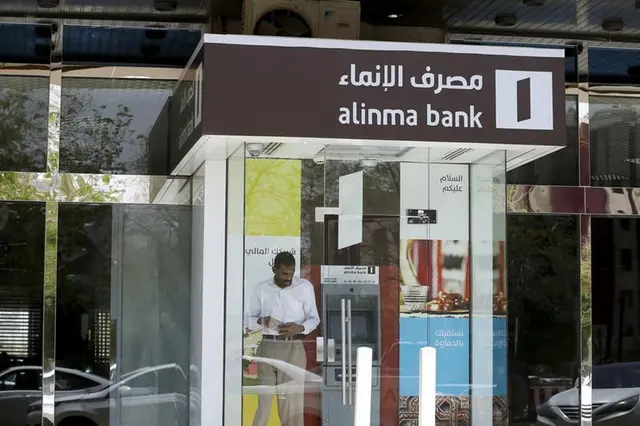
Kuwait’s banking sector has started tightening rules around Kuwait personal loans, particularly for expatriates and private sector employees, as lenders respond to rising employment uncertainty linked to Kuwaitization policies.
Read Also: Central Bank of Kuwait
Several local banks are reportedly reducing loan limits, increasing salary requirements and restricting financing for workers viewed as vulnerable to layoffs or job replacement initiatives. The measures reflect growing caution within Kuwait’s financial sector amid shifting labor market policies and broader economic pressures.
According to reports from local media, some banks are now directly linking personal loan approvals to end-of-service benefits, also known as indemnity payments, while others have sharply reduced overall lending exposure to higher-risk employment categories.
Kuwait Banks Become More Conservative
Banks in Kuwait are increasingly prioritizing low-risk borrowers with stable employment profiles.
Financial institutions are reportedly focusing lending approvals on:
- Government employees
- Workers at large corporations
- High-income earners
- Specialized professionals
Several banks have also raised minimum salary requirements for borrowers.
Previously, some lenders reportedly approved financing for workers earning:
- KD 250
- KD 300
However, newer requirements in some cases now exceed:
- KD 500 monthly salary
Analysts say the changes reflect heightened concerns about repayment risk among workers exposed to job instability.
Kuwaitization Policies Influence Lending Decisions
A major factor behind the tighter Kuwait personal loans environment is the continued implementation of Kuwaitization programs.
Kuwaitization refers to government efforts aimed at increasing employment opportunities for Kuwaiti citizens while reducing dependence on foreign labor across various sectors.
Industries viewed as especially vulnerable to localization policies now face increased scrutiny from banks.
According to reports, some lenders have stopped financing workers in positions considered at high risk of:
- Workforce nationalization
- Downsizing
- Contract termination
The private sector appears particularly affected because many localization targets focus on reducing expatriate employment in commercial industries.
Analysts say banks are adjusting lending models to reflect anticipated labor market restructuring.
End-of-Service Benefits Become Key Loan Factor
One of the most significant changes involves linking loan amounts directly to end-of-service benefits.
Some Kuwaiti banks now reportedly require that approved loan values do not exceed the employee’s indemnity entitlement.
End-of-service benefits are payments employees receive upon leaving employment under Kuwaiti labor regulations.
Banks view these benefits as a form of repayment security if borrowers lose their jobs or leave the country.
Analysts say this shift reflects increasing efforts by banks to minimize default exposure among expatriate borrowers.
Expats Face Growing Financing Challenges
Expatriates form a major part of Kuwait’s workforce, especially within the private sector.
However, tightening Kuwait personal loans policies could make access to credit more difficult for many non-Kuwaiti residents.
Financial institutions are reportedly becoming increasingly selective regarding:
- Employment sector
- Salary level
- Employer stability
- Professional specialization
- Credit history
Analysts say lower-income workers and employees in sectors targeted for Kuwaitization may face the greatest financing difficulties.
Specialized Professions Still Favored
Despite broader tightening, banks continue making exceptions for highly skilled professionals viewed as economically secure.
Reports indicate favorable consideration may still apply to workers in sectors such as:
- Healthcare
- Engineering
- Education
- Oil and gas
These professions are considered less vulnerable to medium-term Kuwaitization pressures because of:
- Specialized expertise requirements
- Persistent labor shortages
- Strategic economic importance
Clients with strong credit ratings and high financial standing may also continue accessing larger financing packages.
Kuwait Banking Sector Adapts to Risk
Kuwait’s banking system remains among the Gulf region’s most stable and heavily regulated financial sectors.
However, banks across the region increasingly face pressure to manage:
- Consumer debt risk
- Economic volatility
- Labor market shifts
- Rising living costs
Analysts say tighter lending standards often emerge during periods of employment uncertainty or structural economic transition.
Kuwaiti lenders appear focused on protecting balance sheets by prioritizing lower-risk customer segments.
Private Sector Workers Most Affected
Private sector employees appear to be facing the greatest impact from the new lending environment.
Unlike government employment, private sector jobs often carry:
- Greater contract uncertainty
- Higher turnover rates
- Increased exposure to localization policies
Banks therefore view many private sector workers as carrying elevated repayment risk.
Analysts say the tightening could indirectly affect consumer spending and household borrowing activity within Kuwait’s expatriate community.
Gulf Economies Continue Workforce Transformation
Kuwait is not alone in pursuing labor nationalization policies.
Across the Gulf region, governments continue implementing programs aimed at increasing citizen participation in private sector employment.
Countries including:
- Saudi Arabia
- Oman
- UAE
- Bahrain
have all expanded workforce localization initiatives in recent years.
These policies are reshaping hiring practices, labor mobility and financial risk assessments across the region.
Banks increasingly factor localization exposure into lending decisions.
Credit Access and Economic Impact
Reduced access to personal loans could have broader economic implications.
Consumer lending supports:
- Housing expenses
- Education spending
- Vehicle purchases
- Household consumption
- Small-scale investment activity
Analysts say tighter credit conditions may slow discretionary spending among some expatriate populations.
However, banks argue stricter controls help maintain financial stability and reduce long-term default risks.
Why This Matters
The tightening of Kuwait personal loans highlights how labor market reforms and economic restructuring are increasingly influencing banking decisions across the Gulf.
The changes particularly affect expatriates and private sector workers who rely on consumer financing for everyday economic activity.
The shift also demonstrates how financial institutions are adapting to growing uncertainty surrounding employment stability and localization policies.
What Happens Next
Kuwaiti banks are expected to continue monitoring labor market risks while refining lending criteria for expatriates and private sector employees.
If Kuwaitization policies accelerate further, lending restrictions could become even tighter for vulnerable job categories.
At the same time, skilled professionals and high-income earners will likely remain priority customers for banks seeking stable long-term borrowers.