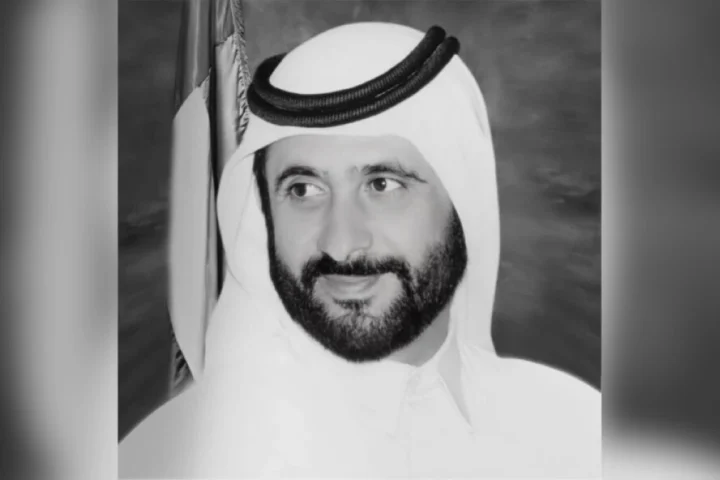
Safwat Raslan is expected to become the next governor of Syria’s central bank as the country intensifies efforts to reconnect its financial system with international banking networks following years of civil war, sanctions and economic isolation.
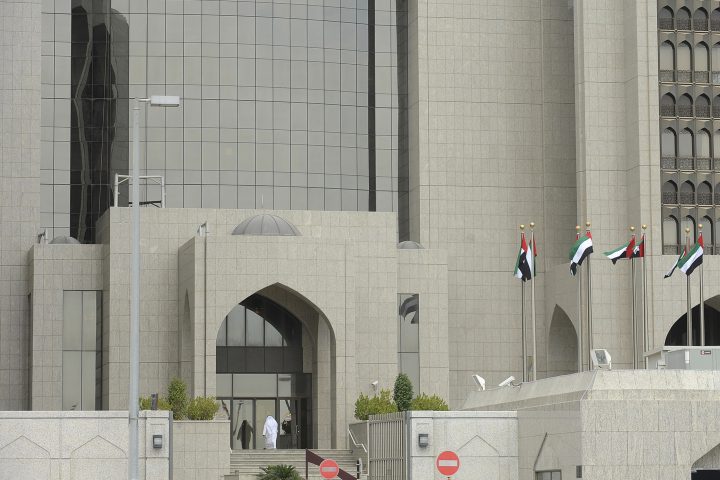
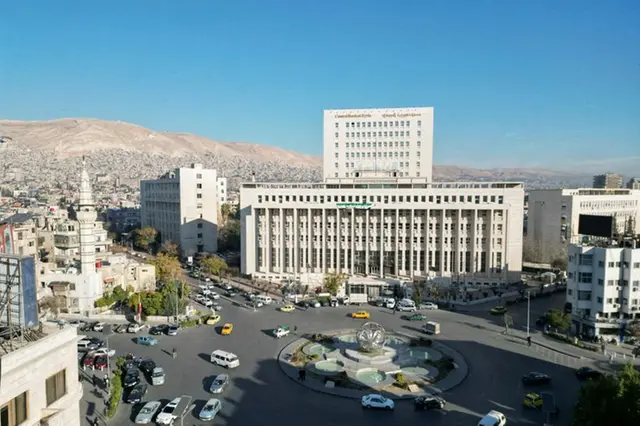
According to banking sector sources, Syria’s government plans to replace current central bank governor Abdelkader Husriyeh with Raslan, who currently leads the state-backed Syrian Development Fund.
The expected appointment comes during a critical period for Syria as authorities attempt to stabilize the economy, rebuild financial credibility and attract reconstruction financing after more than a decade of conflict.
Raslan, a former banker who fled Syria during the civil war and later obtained German citizenship, represents a notable figure within the country’s post-war financial restructuring efforts.
Industry analysts say the potential appointment signals Damascus’ intention to place internationally experienced technocrats at the center of economic recovery initiatives.
Safwat Raslan Returns to Syrian Financial Leadership
Safwat Raslan’s expected appointment carries strong symbolic and economic significance.
Like many Syrians displaced during the country’s 14-year conflict, Raslan left Syria during the war and later settled in Germany, where he obtained citizenship.
His return to a senior financial leadership position reflects broader efforts by Syrian authorities to rebuild institutions damaged by years of war and sanctions.
Raslan previously worked in banking before becoming director-general of the Syrian Development Fund in 2025.
The fund was established after the removal of former Syrian president Bashar al-Assad and was designed to mobilize financing for reconstruction and development projects across the country.
Analysts say Raslan’s background may appeal to Syrian officials seeking to restore credibility with foreign financial institutions and international investors.
His international exposure and banking experience could prove important as Syria attempts to normalize financial relationships after years of isolation from the global banking system.
Syria’s Banking Sector Remains Isolated
Despite recent political changes and partial sanctions relief, Syria’s banking system remains largely disconnected from global finance.
Western sanctions imposed during the Assad era isolated Syrian banks and severely limited access to international transactions, foreign investment and cross-border financing.
The restrictions crippled many sectors of the economy while complicating reconstruction efforts following years of conflict.
Although some sanctions have since been lifted, Syrian banks continue facing major operational challenges tied to compliance risks, correspondent banking relationships and investor confidence.
Financial institutions globally remain cautious about re-engaging with Syria because of lingering regulatory uncertainty and geopolitical risks.
Analysts say restoring international banking connectivity is now one of the country’s most urgent economic priorities.
Without access to global financial systems, Syria faces significant obstacles in attracting reconstruction capital, rebuilding trade flows and stabilizing domestic economic activity.
Read Also: List of All Country Currency Codes
Abdelkader Husriyeh Oversaw Initial Financial Reconnection
Current central bank governor Abdelkader Husriyeh was appointed in April 2025 by Syrian President Ahmed al-Sharaa.
During his tenure, Syria achieved one of its most important symbolic financial milestones since the war by completing its first international bank transfer through the SWIFT system since the conflict began.
The transaction was widely viewed as an early sign that Syria was beginning to cautiously reconnect with international financial infrastructure.
However, analysts say rebuilding a functioning banking ecosystem will require much deeper reforms beyond isolated financial transactions.
Syrian banks continue facing liquidity constraints, weak capitalization and limited foreign currency access after years of economic collapse and conflict disruption.
The central bank also faces challenges tied to inflation, currency instability and rebuilding trust among both domestic and international investors.
Reconstruction Financing Remains Major Challenge
Syria’s reconstruction needs are estimated in the hundreds of billions of dollars following years of destruction across housing, infrastructure, industry and public services.
Rebuilding the economy requires substantial external financing, but attracting that capital remains difficult given Syria’s fragile political and financial environment.
The Syrian Development Fund, previously led by Safwat Raslan, was created partly to address that problem by functioning as a state-backed reconstruction and investment vehicle.
The fund aims to mobilize financing for infrastructure, industrial recovery and development projects while coordinating partnerships with international investors and financial institutions.
Analysts say placing Raslan at the central bank could strengthen coordination between financial sector reforms and broader reconstruction financing strategies.
However, success will depend heavily on whether Syria can restore confidence among foreign banks, investors and multilateral institutions.
Syria Attempts Economic Stabilization After War
The expected leadership change also reflects Syria’s broader effort to stabilize its economy after years of severe disruption.
The civil war devastated industrial production, trade networks, infrastructure and public finances while triggering one of the world’s largest displacement crises.
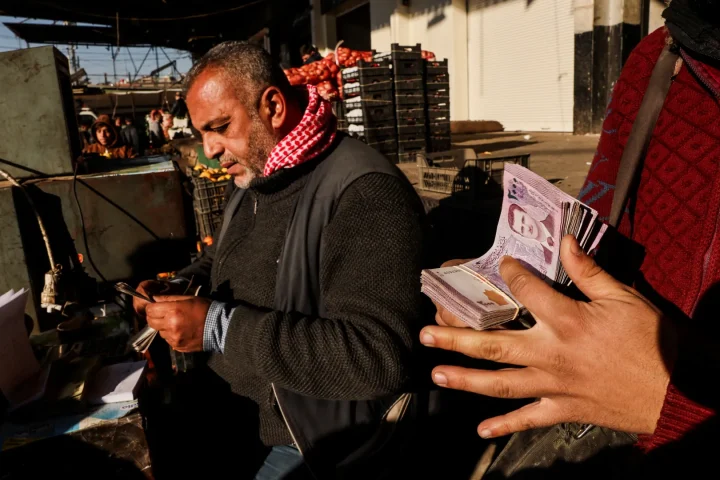
Inflation, currency depreciation and unemployment remain major economic pressures across the country.
Authorities are now attempting to rebuild state institutions while restoring basic financial and commercial systems capable of supporting recovery.
Analysts say the central bank will play a critical role in managing monetary policy, stabilizing the Syrian pound and re-establishing confidence within the domestic banking sector.
The institution must also navigate the difficult balance between economic liberalization, financial reform and ongoing geopolitical pressures.
International Financial Reintegration Will Take Time
Even with new leadership, Syria’s reintegration into global finance is expected to remain gradual.
International banks continue maintaining strict compliance standards tied to sanctions exposure, anti-money laundering regulations and geopolitical risk assessments.
Correspondent banking relationships — essential for international trade and transfers — are unlikely to normalize quickly.
Foreign investors also remain cautious due to political uncertainty and concerns about legal protections, governance standards and economic transparency.
Analysts say Syria may initially rely more heavily on regional financial partnerships and state-backed reconstruction initiatives before broader international banking normalization becomes possible.
Countries in the Gulf, along with regional development funds, could therefore play increasingly important roles in Syria’s economic recovery.
Safwat Raslan Appointment Signals Technocratic Shift
The expected appointment of Safwat Raslan may also signal a broader technocratic shift within Syria’s post-war economic governance.
Governments emerging from prolonged conflict often seek internationally experienced financial professionals capable of rebuilding credibility with external institutions.
Raslan’s background as both a refugee and an international banker gives him a profile distinct from many traditional Syrian political appointees.
Analysts say that could help Syria project a reform-oriented image as it seeks foreign investment and financial normalization.
However, substantial structural and geopolitical challenges remain.
Why This Matters
Safwat Raslan’s expected appointment reflects Syria’s growing urgency to reconnect with international finance after years of war and sanctions.
The country’s economic recovery depends heavily on rebuilding banking credibility, attracting reconstruction funding and restoring access to global financial systems.
The leadership change also highlights how post-conflict economies increasingly rely on internationally experienced technocrats to rebuild damaged institutions.
What Happens Next
Syrian authorities are expected to formally announce the central bank leadership transition in the coming weeks.
Attention will then shift toward whether the new leadership can accelerate financial reforms, strengthen banking sector confidence and expand Syria’s access to international financial networks.
For Safwat Raslan, the appointment would place him at the center of one of the Middle East’s most difficult post-war economic reconstruction efforts.