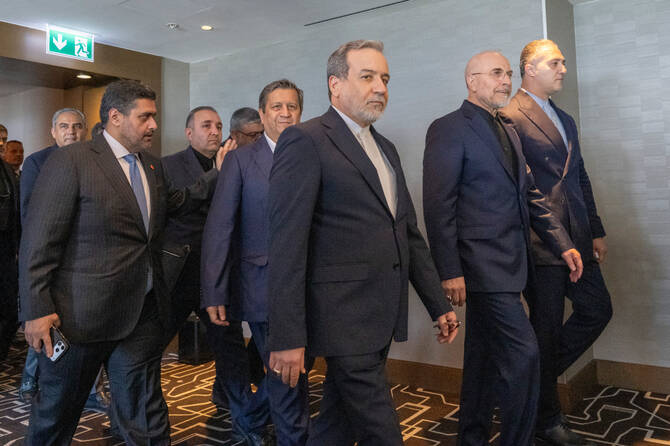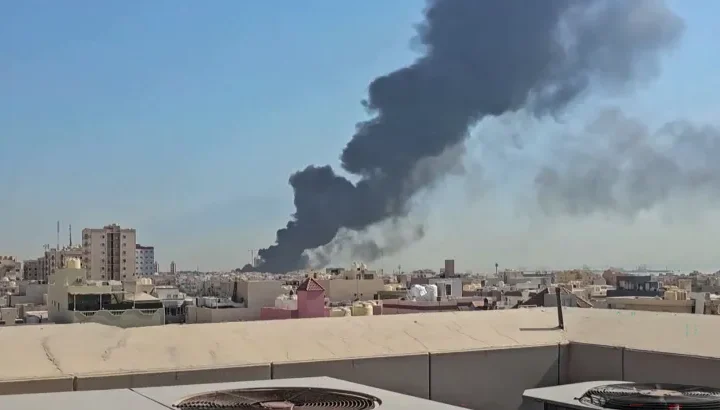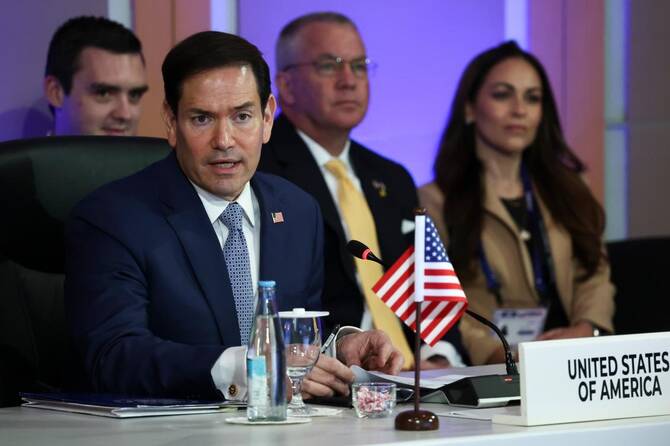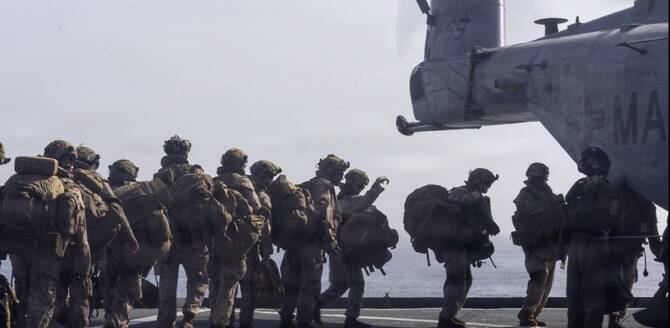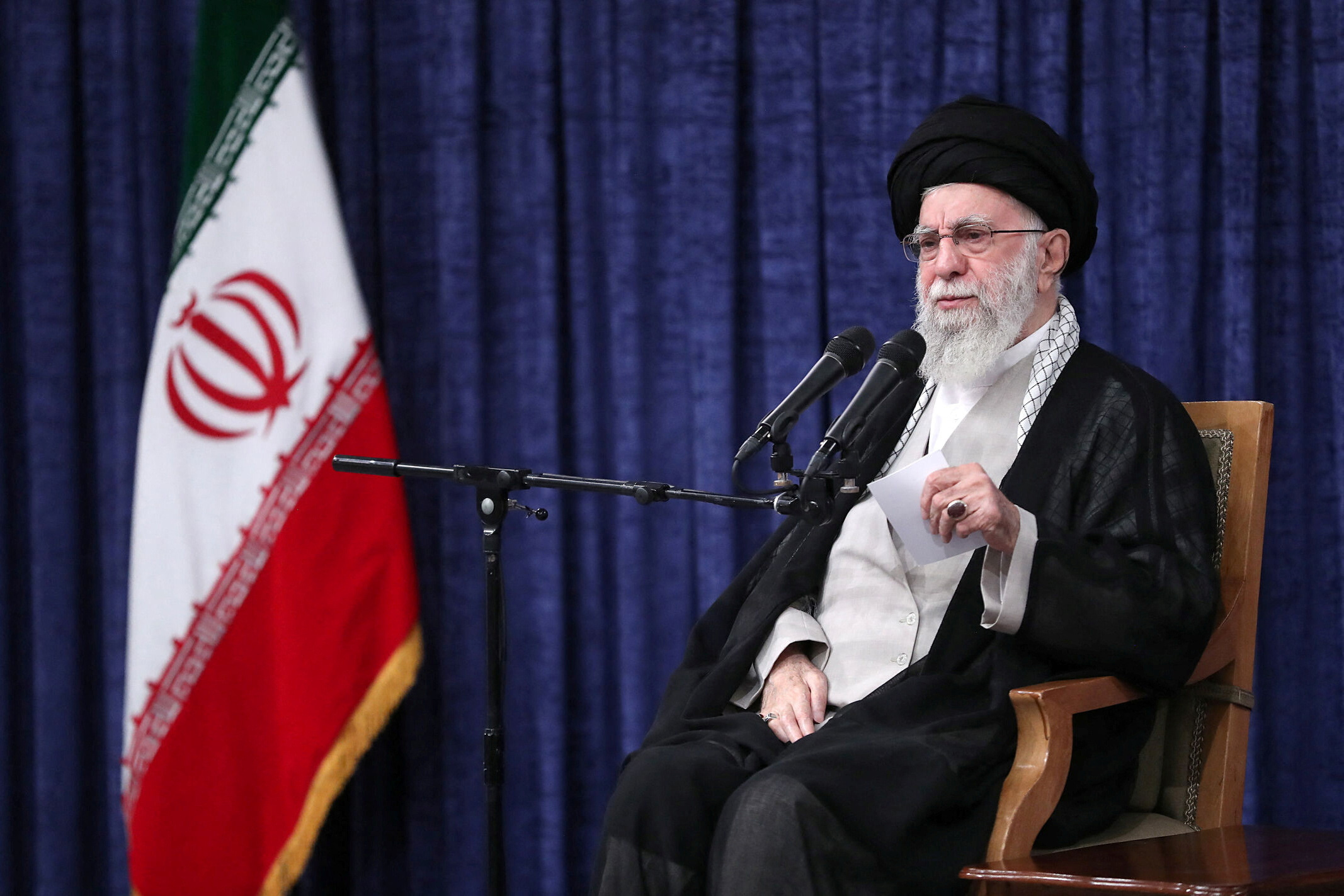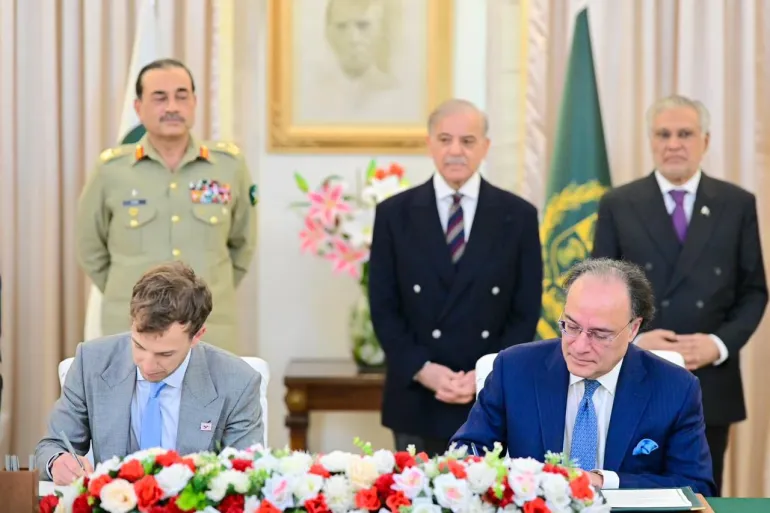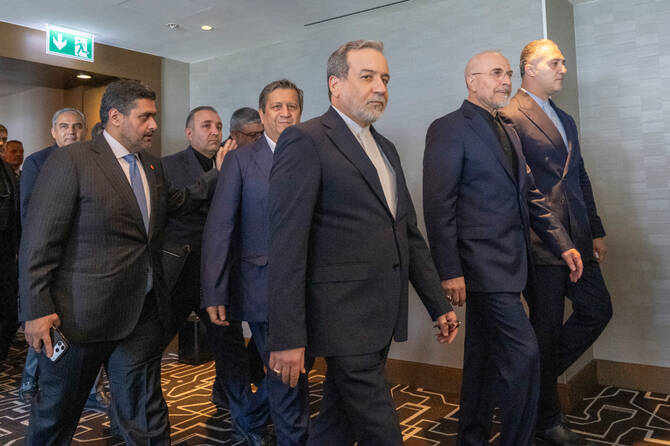
The United States reportedly warned Iran through regional intermediaries about an alleged Israeli plot targeting two senior Iranian negotiators during sensitive ceasefire talks.
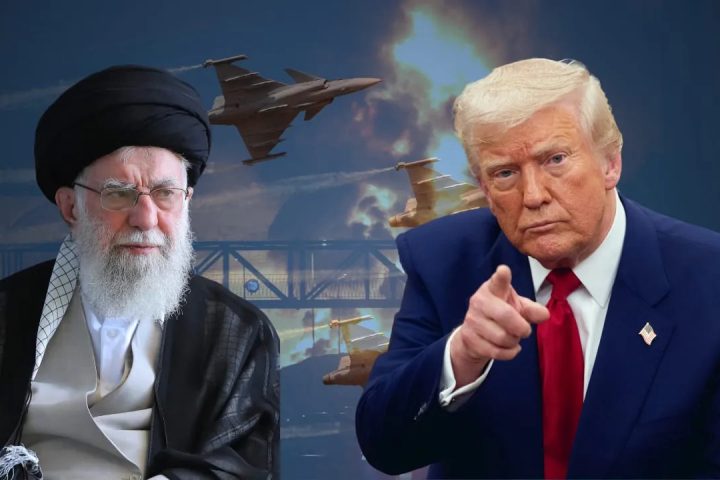
According to reports citing The New York Times, US officials feared Israel might attempt to kill Iranian Foreign Minister Abbas Araghchi and Parliament Speaker Mohammad Bagher Ghalibaf while diplomatic negotiations were underway. Washington reportedly believed such an operation could derail fragile talks, inflame regional tensions and undermine efforts to reach an interim peace arrangement.
The reported warning has exposed a sensitive divide between Washington and Israel over how to handle Tehran during a high-stakes diplomatic process. While US officials were focused on preserving talks, Israeli officials reportedly remained committed to applying pressure on Iran’s senior leadership and military infrastructure. Israel has rejected the report, with Prime Minister Benjamin Netanyahu’s office calling the allegation “fake news” and a “complete fabrication of reality.”
US Reportedly Warned Iran Over Israeli Plot Concerns
The reported US warning came during a delicate period of negotiations involving Iran, the United States and regional mediators.
According to the report, Washington asked several Middle Eastern countries to pass warnings to Tehran about a possible Israeli threat against Araghchi and Ghalibaf. The two Iranian officials were described as key figures in the diplomatic process, making their safety important to the continuation of talks.
US officials reportedly believed that an attack on senior negotiators would have destroyed fragile diplomatic progress. At the time, talks were focused on reducing tensions, exploring an interim peace arrangement and preventing further regional escalation.
The move was unusual because the United States was reportedly warning an adversary about a possible operation by one of Washington’s closest regional allies.
That alone shows how seriously US officials viewed the risk to negotiations.
Why Washington Wanted the Talks Protected
The United States reportedly viewed the diplomatic process as the best available path to prevent a wider conflict.
Once negotiations intensified, Washington’s priority shifted toward preserving channels of communication with Tehran. Any strike against Iranian negotiators could have ended the talks immediately, hardened positions in Tehran and triggered retaliatory steps across the region.
For US officials, the issue was not simply the personal safety of two Iranian leaders. It was the survival of a diplomatic track that had taken months to build.
The reported warning suggests Washington believed the negotiating team had become politically and strategically important. Even if the officials had once been viewed by Israel as legitimate targets, US officials reportedly concluded that the circumstances had changed once they became central to ceasefire discussions.
Alleged Targets: Abbas Araghchi and Mohammad Bagher Ghalibaf
The reported Israeli plot centered on two senior Iranian officials: Foreign Minister Abbas Araghchi and Parliament Speaker Mohammad Bagher Ghalibaf.
Araghchi is one of Iran’s most visible diplomatic figures and has been closely associated with Tehran’s foreign policy negotiations. Ghalibaf, as speaker of parliament, is one of the country’s most powerful political figures.
Reports said both men were involved in high-level talks related to an interim peace process and broader regional security issues. Their role made them essential to keeping Iranian participation alive.
US officials reportedly feared that eliminating either figure could cause Tehran to withdraw from talks or respond militarily.
In a conflict environment already marked by mistrust, even a failed attack could have been enough to collapse negotiations.
US Sought Help From Middle Eastern Partners
Washington reportedly relied on regional partners to deliver the warning to Iran.
This approach allowed the United States to alert Tehran without making the warning a public confrontation with Israel. It also reflected the importance of regional intermediaries in the talks.
Qatar and Pakistan were reportedly among the countries involved in diplomatic contacts during the wider process. Subsequent talks also involved meetings in Qatar and Switzerland, where US and Iranian officials continued discussions through regional and international channels.
Middle Eastern diplomacy often depends on indirect communication. In moments of crisis, intermediaries can pass messages, request guarantees and reduce the risk of miscalculation.
The reported warning fits that pattern.
Israel Denied the Report
Israel strongly denied the claim that it planned to target Iranian negotiators.
The office of Israeli Prime Minister Benjamin Netanyahu rejected the report after it was published, calling it “fake news” and a “complete fabrication of reality.”
That denial is important because the allegation remains based on media reports citing current and former US officials.
Israel has not publicly confirmed any such plot. The United States has also not officially presented public evidence confirming the details.
Because of that, the story should be treated as a reported intelligence and diplomatic concern rather than an officially confirmed operation.
Still, the fact that multiple outlets reported the US concern highlights the level of tension surrounding the talks.
Israeli and US Strategies Appeared to Diverge
The report points to a broader strategic disagreement between Washington and Israel.
The United States reportedly prioritized diplomacy, de-escalation and an interim arrangement that could keep negotiations alive. Israel, according to the report, was more focused on maintaining pressure on Tehran’s leadership and military infrastructure.
That difference matters because both countries share concerns about Iran, but they do not always agree on methods.
Washington appeared to believe that diplomacy offered the best chance of preventing a wider war. Israeli officials, by contrast, reportedly remained skeptical of a deal that did not significantly weaken Iran’s military capabilities or force deeper political change in Tehran.
This gap could continue shaping US-Israel coordination over Iran.
Previous Israeli Targeting Shaped US Concerns
The reported US concern did not emerge in isolation.
According to the same line of reporting, Israel had previously targeted senior Iranian figures during the early stages of the conflict. The New York Post’s summary of the report said US concerns intensified after earlier Israeli targeting of senior Iranian officials, including Ali Larijani, who had been connected to communication channels with Washington.
That history reportedly made US officials more worried that other senior Iranian figures involved in talks could also be targeted.
The concern was not only about one possible strike. It was about whether military operations could keep colliding with diplomatic efforts.
In any conflict, talks often depend on trusted channels and identifiable negotiators. If those figures are removed, communication can collapse.
Iranian Delegation Reportedly Increased Security
Iran reportedly tightened security around its negotiating team after receiving warnings.
According to reports, Iranian officials sought additional guarantees before scheduled diplomatic meetings. They reportedly used Pakistani and Qatari intermediaries to request assurances that Israel would not target their delegation during transit.
Before a planned meeting in Islamabad with US Vice President JD Vance, Iranian representatives reportedly requested security guarantees. One report said Pakistani fighter jets escorted an Iranian aircraft through Pakistani airspace to enhance protection.
The Iranian delegation later reportedly faced additional security concerns on its return journey, including intelligence warnings that Israeli aircraft may have entered Iranian airspace.
These details underline how fragile the diplomatic environment had become.
Talks Continued Despite Security Fears
Despite the reported threats, Iranian and US officials continued talks.
Negotiations later expanded through meetings in Qatar and Switzerland. Reuters reported that a later round of indirect US-Iran technical talks in Doha focused on maritime traffic in the Strait of Hormuz and Iranian funds, following an interim peace deal that halted hostilities in June.
That continuation suggests both sides still saw value in dialogue despite deep mistrust.
For Washington, keeping talks alive reduced the risk of a broader military confrontation. For Tehran, continued negotiations offered a channel to seek security assurances, economic concessions and recognition of its interests.
However, the talks remained fragile. Regional tensions, Israeli objections and disagreements over the Strait of Hormuz continued to complicate the process.
Strait of Hormuz Became a Major Issue
The Strait of Hormuz became a major focus in later negotiations.
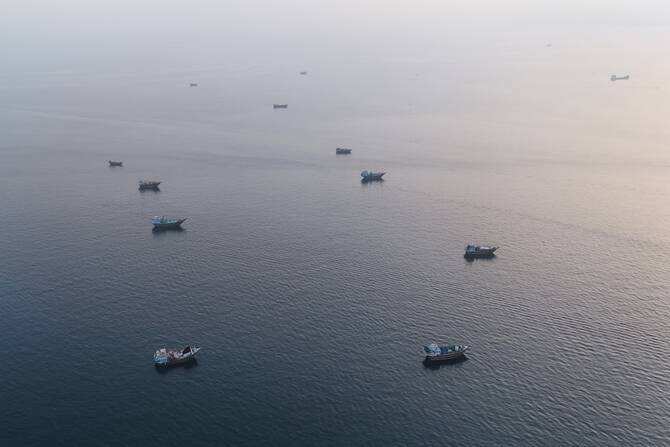
The waterway is one of the world’s most important shipping routes, especially for oil and energy flows. Any disruption there can affect global markets, shipping costs and regional security.
Reuters reported that US-Iran technical talks in Doha focused partly on maritime traffic in the Strait of Hormuz, with Qatar describing the discussions as showing positive progress.
The issue shows how the negotiations extended beyond narrow ceasefire terms.
They also touched on strategic maritime security, energy flows and Iran’s regional leverage.
Any agreement involving Hormuz would carry major implications for Gulf states, global oil markets, shipping companies and military planners.
Nuclear Talks Remained Part of the Wider Diplomatic Track
Iran’s nuclear program remained part of the wider diplomatic background.
Although some later technical talks reportedly focused more directly on maritime traffic and financial issues, the broader US-Iran diplomatic process was tied to reducing tensions around Tehran’s nuclear activities and regional posture.
For Washington, preventing escalation around Iran’s nuclear program has long been a strategic priority.
For Israel, the issue is even more urgent. Israeli leaders have repeatedly argued that Iran’s nuclear capabilities and regional network pose a direct security threat.
That difference in threat perception helps explain why Israel may favor more aggressive pressure while the United States may seek a negotiated path.
The reported assassination concern therefore sits inside a much larger dispute over how to contain Iran.
Why the Alleged Plot Could Have Derailed Diplomacy
Targeting negotiators during talks could have had immediate consequences.
First, Iran could have ended negotiations and blamed both Israel and the United States. Second, regional partners could have lost confidence in Washington’s ability to protect a diplomatic process. Third, the attack could have triggered retaliation against Israeli, US or regional interests.
Even an unsuccessful operation might have produced similar effects.
Diplomacy depends on minimum trust. Negotiators must believe they can travel, meet and communicate without being targeted during the process.
That is why Washington reportedly treated the alleged threat as a direct danger to the talks.
In practical terms, the US warning was an attempt to keep the negotiating table intact.
What the Report Says About US-Israel Relations
The episode highlights the complexity of the US-Israel relationship.
The United States remains Israel’s most important ally, but allies can disagree sharply over timing, tactics and risk.
In this case, Washington reportedly feared that Israeli action could undermine US diplomatic goals. Israel, meanwhile, has denied the allegation and rejected the report as false.
The tension reflects a familiar pattern in Middle East policy. The United States often tries to balance military support for allies with diplomatic efforts to prevent wider regional war.
When those priorities clash, disagreements can become highly sensitive.
The reported warning to Iran suggests Washington was willing to take unusual steps to preserve negotiations.
What It Means for Iran
For Iran, the reported warning reinforced the risks surrounding high-level diplomacy.
Tehran reportedly tightened security and sought guarantees before allowing officials to travel. That response shows Iranian leaders were concerned that diplomacy could expose senior officials to danger.
At the same time, Iran continued participating in talks, suggesting Tehran still saw strategic value in negotiation.
Iran’s leaders may use the episode to argue that they face threats even during diplomacy. They may also use it to pressure mediators for stronger security assurances in future talks.
The reported incident could therefore affect how Iran structures future negotiations, travel plans and security arrangements.
What It Means for Regional Mediators
The report also shows the importance of regional mediators.
Countries such as Qatar and Pakistan reportedly played important roles in facilitating contacts, passing messages and supporting the diplomatic process.
In Middle East diplomacy, mediators often become essential because direct trust between adversaries is low.
They can deliver warnings, host talks, provide security guarantees and help prevent misunderstandings.
The more tense the environment becomes, the more valuable these intermediaries are.
However, mediation also carries risk. If talks collapse or an attack occurs despite assurances, mediators can face diplomatic pressure from multiple sides.
Israel’s Objections to the Diplomatic Track
Israeli officials reportedly criticized the emerging framework because it did not meet Israel’s broader wartime objectives.
According to reports, Israel wanted stronger outcomes against Iran’s leadership and military infrastructure. A limited diplomatic arrangement may have been seen in Israel as too weak or temporary.
This criticism reflects a deeper strategic concern.
Israel may view partial agreements as giving Tehran time to recover or reorganize. Washington may view partial agreements as necessary steps to prevent immediate escalation.
Both perspectives are shaped by different risk calculations.
For Israel, the main risk may be an Iran that remains militarily capable. For the United States, the main risk may be a wider regional conflict that draws in US forces and destabilizes global markets.
Why the Report Matters
The report matters because it reveals how fragile diplomacy can become during conflict.
Ceasefire talks do not happen in a vacuum. They occur while militaries, intelligence agencies, political leaders and regional actors continue pursuing their own objectives.
That creates constant risk.
A single strike, leak, miscalculation or failed assurance can change the course of negotiations.
The alleged Israeli plot, whether confirmed or denied, became significant because US officials reportedly believed it was serious enough to warn Iran indirectly.
That is the key point: Washington saw the threat as dangerous to its diplomatic strategy.
What to Watch Next
The next major issue is whether US-Iran talks can continue despite Israeli opposition and regional mistrust.
Key areas to watch include follow-up negotiations in Qatar, Switzerland or other neutral venues; security guarantees for Iranian negotiators; Israeli responses to any US-Iran framework; and developments around the Strait of Hormuz.
The state of US-Israel coordination will also be important.
If Washington and Israel remain divided over tactics, future negotiations could face repeated disruption. If they align more closely, diplomacy may gain more stability.
Iran’s response will matter as well. Tehran may demand stronger guarantees before participating in further high-level talks.
Conclusion: US Warning Shows Fragile Balance Between Diplomacy and Escalation
The reported US warning to Iran over an alleged Israeli plot highlights the fragile balance Washington is trying to maintain in the Middle East.
According to reports citing The New York Times, US officials feared Israel could target Iranian Foreign Minister Abbas Araghchi and Parliament Speaker Mohammad Bagher Ghalibaf during sensitive ceasefire talks. Washington reportedly asked regional partners to warn Tehran because it believed any attack could derail diplomacy and reignite conflict.
Israel has denied the report, calling it false. But the episode still underscores the wider policy divide between Washington and Israel over Iran.
For the United States, negotiations offered a path to reduce tensions, preserve communication and prevent a broader regional war. For Israel, according to reports, continued pressure on Iran remained central to its security strategy.
As talks continue, the future of US-Iran diplomacy may depend not only on what Tehran and Washington can agree on, but also on whether Washington can manage the risks created by its closest regional allies, hostile intelligence activity and the deep mistrust that still defines the region.