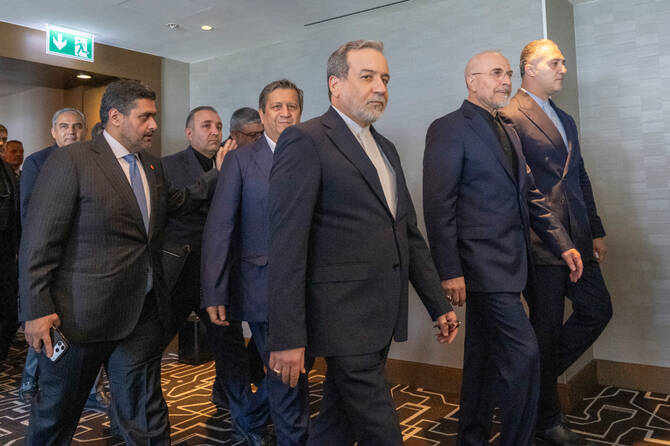
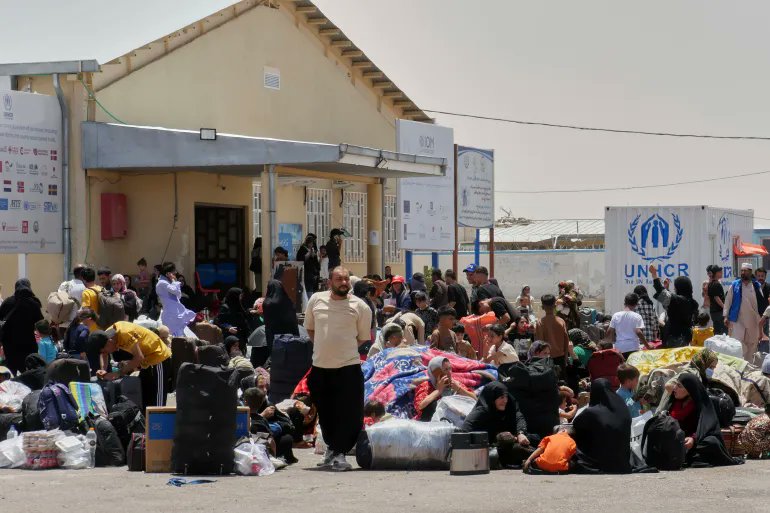
Iran has launched one of the largest deportation campaigns in the region, targeting nearly two million undocumented Afghan migrants over the coming months. On August 18, 2025, Interior Minister Eskandar Momeni confirmed that the process would be carried out under the supervision of the National Migration Organization, insisting that returns would be managed “with dignity and respect.” Most deportees are expected to be sent back through the Khorasan Razavi crossing, a traditional border point between Iran and Afghanistan.
Iran currently hosts more than six million Afghans one of the world’s largest refugee populations. Authorities in Tehran argue that the mass return programme is not directed against Afghan nationals but is required to uphold national regulations. They have called for “serious international cooperation” to share the burden. Yet rights advocates see a harsher reality: Afghans without valid papers face a sudden uprooting, with little assurance of security or livelihood once they cross back into Taliban-controlled Afghanistan.
Humanitarian groups have issued strong warnings. The United Nations High Commissioner for Refugees (UNHCR) said that more than 2.2 million Afghans have already been deported from Iran and Pakistan since January 2025, straining fragile communities across the border. Many returnees, according to UN assessments, are falling into worsening poverty and unemployment, compounded by the Taliban’s restrictive governance. On August 17, UNHCR announced its emergency funds were rapidly depleting, urging international donors to step in before the situation spirals into a larger humanitarian collapse.
The crisis is not confined to Iran. Pakistan has also declared plans to begin forced repatriation of Afghan migrants starting September 1, including registered refugees holding official documentation. The move has triggered widespread international criticism, with human rights groups warning that Islamabad risks violating its obligations under international humanitarian law. Regional analysts caution that the coordinated expulsions by Iran and Pakistan will deepen Afghanistan’s instability and risk triggering a new wave of displacement.
The combined crackdown reflects intensifying regional pressure on Afghan migrants at a time when Afghanistan itself offers few prospects for survival. With aid agencies underfunded and both Tehran and Islamabad hardening their policies, millions of Afghans now face the prospect of forced return into desperation. What is framed by governments as a question of legality is fast becoming a test of regional responsibility and a looming humanitarian disaster.
-With Agency Input