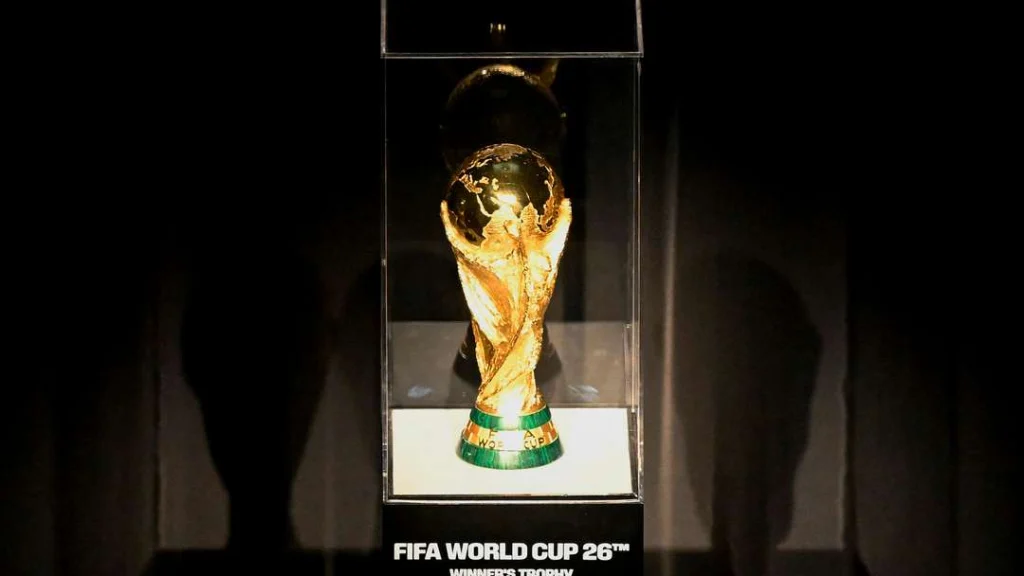
World Cup top scorers are not remembered only because they scored many goals. They are remembered because they scored them in the most demanding football tournament on earth. The FIFA World Cup gives players limited time, limited chances and maximum pressure. A forward may wait four years for the tournament, arrive in peak form, and still leave after three matches if his national team fails to progress.
That is why the all-time World Cup scoring list carries such historical weight. It rewards players who produced when opportunity was rare. It brings together different generations, different football systems and different kinds of attackers. Some were classic centre-forwards. Others were wide forwards, second strikers, attacking midfielders or complete footballers who combined goals with creativity.
As of the 2026 tournament data, Lionel Messi leads the all-time World Cup scoring table with 18 goals for Argentina. Kylian Mbappe and Miroslav Klose follow with 16 each. Brazil’s Ronaldo sits on 15, while Gerd Muller has 14, Just Fontaine has 13 and Pele has 12. Behind them are several icons who shaped the tournament in their own way: Jurgen Klinsmann, Sandor Kocsis, Gabriel Batistuta, Teofilo Cubillas, Harry Kane, Grzegorz Lato, Gary Lineker, Thomas Muller, Helmut Rahn, Ademir, Roberto Baggio, Eusebio, Jairzinho, Paolo Rossi, Karl-Heinz Rummenigge, Uwe Seeler, Vava, Christian Vieri and David Villa.
This is more than a ranking. It is a football timeline. The list tells the story of how goals have changed from the early decades of the World Cup to the modern era of video analysis, compact defending and global superstar forwards. It also shows that World Cup greatness does not have one formula. Some players built their totals across many tournaments. Others needed only one unforgettable campaign to become legends forever.
Why World Cup Goals Are Different
A World Cup goal is different from a league goal because of context. In club football, players have long seasons, familiar teammates and repeated chances. In the World Cup, everything is compressed. A forward may only have three group-stage matches to make an impact. A missed chance can become a national regret. A single finish can become part of football history.
International football also creates tactical complications. Players do not spend the full year with their national teams. The passing patterns, pressing triggers and attacking relationships are less automatic than they are at club level. A striker may have to adapt to different service. A creator may have to take more responsibility. A winger may have to defend more than usual.
That is why the leading World Cup scorers deserve special attention. They scored despite pressure, scarcity and tactical difficulty. They found ways to be decisive when defenders were focused, stadiums were tense and entire nations expected them to deliver.
The list also reflects team strength. Players from countries that regularly reach the knockout rounds naturally have more opportunities. But opportunity alone never creates greatness. Many players from strong nations have played plenty of World Cup matches without reaching these scoring heights. The players on this list combined talent, timing, nerve and repeated execution.
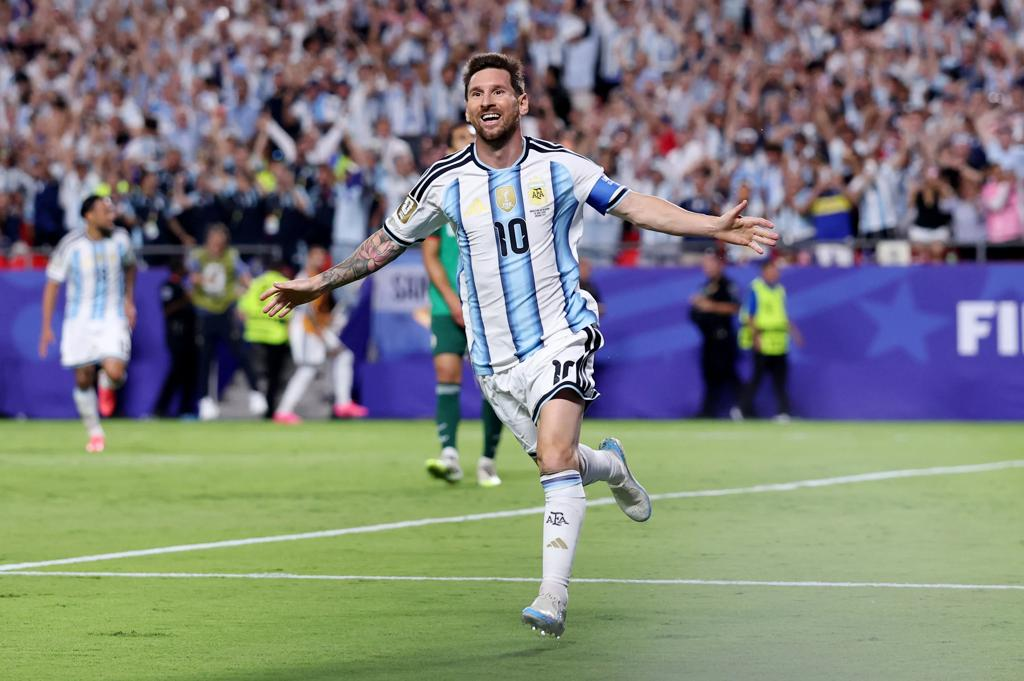
Lionel Messi: Argentina’s Record-Breaking World Cup Scorer
Lionel Messi leads the all-time World Cup scoring list with 18 goals in 28 matches for Argentina. His goals span six tournaments: 2006, 2010, 2014, 2018, 2022 and 2026.
Messi’s record is remarkable because his World Cup career was not built like that of a traditional striker. He played many roles across his international life: right winger, false nine, number 10, second striker and free attacking playmaker. He was often asked to create as much as he was asked to score.
His first World Cup goal came as a teenager in 2006. In 2010, he influenced Argentina’s play but did not score. In 2014, he scored four goals and led Argentina to the final. In 2018, he added one goal during a difficult campaign.
The decisive shift came in 2022, when Messi scored seven goals and captained Argentina to the World Cup title. That tournament changed the tone of his international legacy. He scored in every knockout round and delivered in the final against France.
In 2026, Messi reached the top of the all-time chart. A hat-trick against Algeria and further goals against Austria moved him to 18 goals. His rise shows how longevity, intelligence and technical quality can keep a player decisive long after his explosive younger years.
Messi’s World Cup scoring legacy is not just about numbers. It is about evolution. He moved from teenage prospect to burdened superstar, then from national captain to world champion and all-time scoring leader.
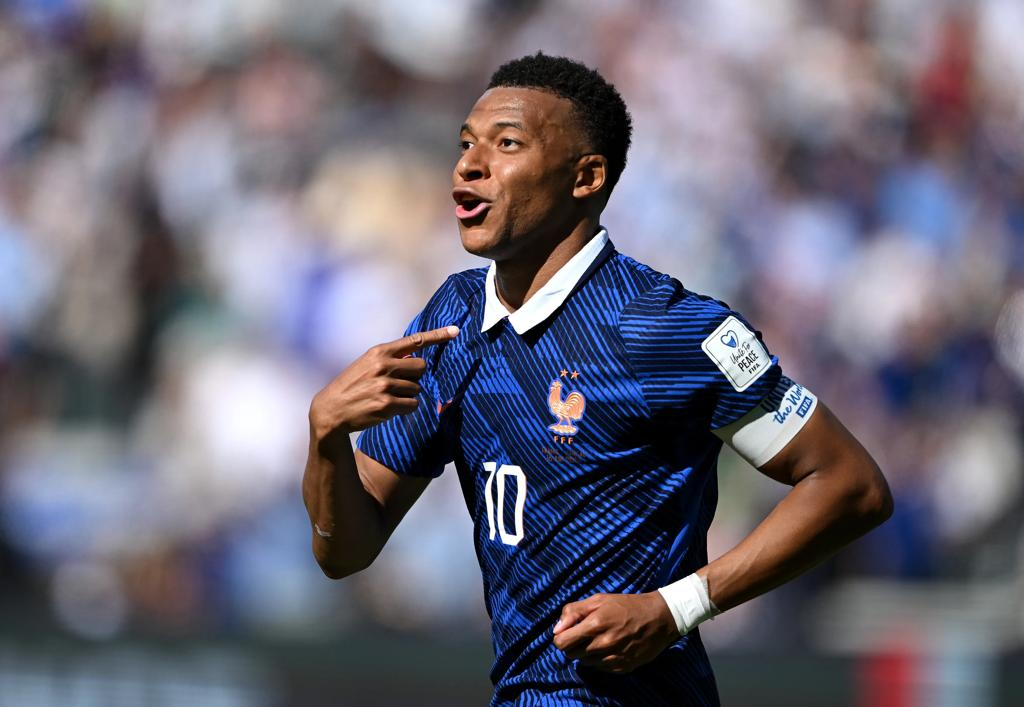
Kylian Mbappe: France’s Fastest-Rising World Cup Finisher
Kylian Mbappe has 16 World Cup goals in only 16 appearances for France. That scoring rate places him among the most efficient forwards in tournament history.
Mbappe made his first World Cup impact in 2018, when he scored four goals and helped France win the trophy. His goal in the final against Croatia made him the first teenager since Pele to score in a World Cup final. That single moment placed him on a historic path.
In 2022, he became even more dominant. Mbappe scored eight goals and won the Golden Boot. His hat-trick in the final against Argentina was one of the great individual performances in a World Cup final, even though France lost on penalties.
By 2026, Mbappe had climbed to 16 goals after braces against Senegal and Iraq. His rise has been rapid because his game is perfectly suited to modern international football. He attacks space, accelerates faster than defenders can adjust and finishes with confidence from wide or central positions.
Mbappe is dangerous because he does not need long spells of possession. One pass into space can create a scoring chance. One defensive mistake can become a goal. His speed changes how opponents set up against France.
With Messi on 18 and Mbappe already on 16, the future of the World Cup scoring record remains open. Mbappe is the active player most likely to move to the top.
Miroslav Klose: Germany’s Model of World Cup Consistency
Miroslav Klose scored 16 goals in 24 World Cup matches for Germany. His total made him the all-time leader for years before Messi moved ahead and Mbappe joined him on 16.
Klose played in four tournaments: 2002, 2006, 2010 and 2014. He scored five goals in 2002, five in 2006, four in 2010 and two in 2014. His final World Cup ended with Germany lifting the trophy in Brazil.
Klose’s game was not based on spectacle. It was based on timing, positioning and finishing. He knew when to move across a defender, when to attack the near post and when to wait for a loose ball. Many of his goals looked simple because he made the difficult decisions before the final touch.
His record also reflects Germany’s tournament strength. Germany repeatedly reached the later stages, and Klose made the most of those chances. He scored across several generations of German teams and remained reliable for more than a decade.
Klose is one of the best examples of a player whose international tournament legacy outgrew his club reputation. He was respected at club level, but the World Cup made him immortal.
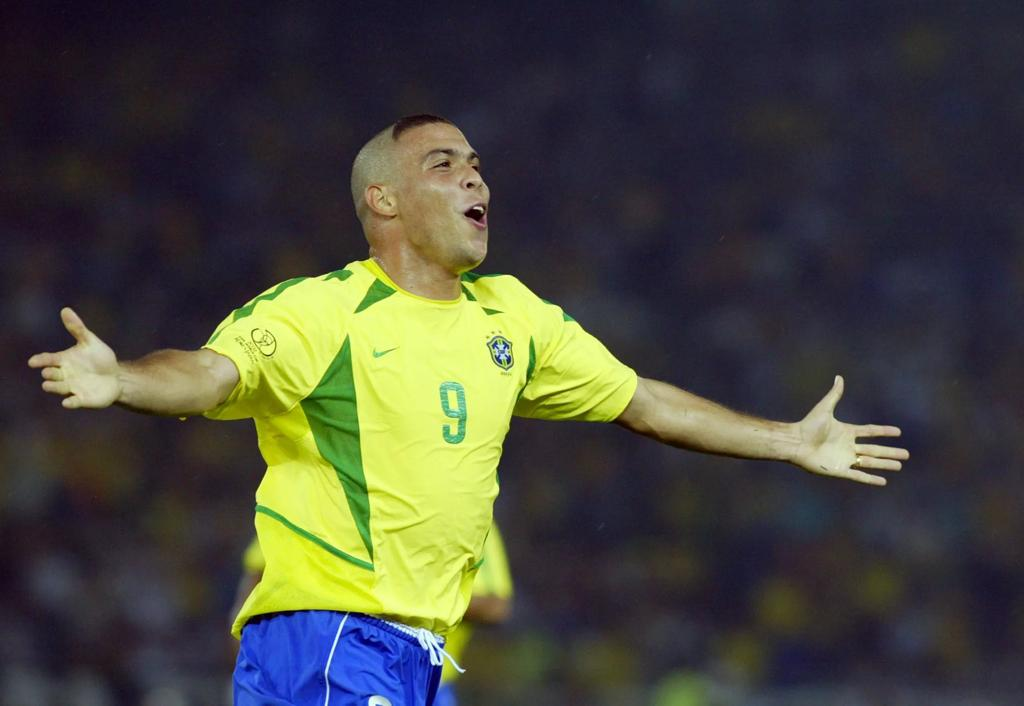
Ronaldo: Brazil’s Phenomenon on the World Stage
Ronaldo Nazario scored 15 World Cup goals in 19 matches for Brazil across 1994, 1998, 2002 and 2006.
Ronaldo was a teenager in Brazil’s 1994 World Cup-winning squad, but he did not score in that tournament. His first major World Cup statement came in 1998, when he scored four goals and helped Brazil reach the final. The final ended in defeat to France, but Ronaldo had already shown the world his frightening attacking gifts.
His defining tournament came in 2002. After injuries had threatened his career, Ronaldo returned with extraordinary focus. He scored eight goals and led Brazil to the title, including both goals in the final against Germany. It remains one of football’s greatest comeback stories.
In 2006, Ronaldo added three more goals and became the leading scorer in World Cup history at that time. He was later overtaken, but his 15 goals remain a landmark.
At his best, Ronaldo was the complete striker. He had speed, power, balance, dribbling and lethal finishing. Defenders feared him because he could beat them before shooting, and goalkeepers feared him because he could finish with calm precision.
Ronaldo’s World Cup legacy is built on goals, but also on aura. He made the tournament feel like his stage.
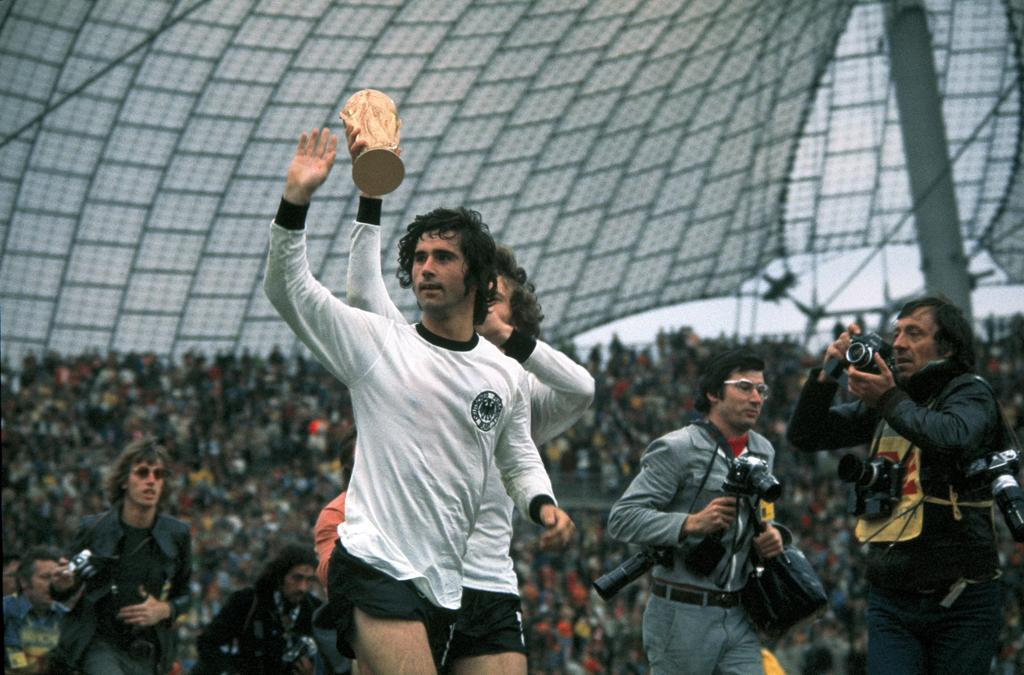
Gerd Muller: West Germany’s Ruthless Penalty-Box Master
Gerd Muller scored 14 World Cup goals in only 13 matches for West Germany. His scoring rate remains one of the most impressive in tournament history.
Muller played in the 1970 and 1974 World Cups. In 1970, he scored 10 goals, producing one of the great individual scoring campaigns. Four years later, he added four more and helped West Germany win the trophy.
Muller’s greatness came from instinct. He was not the tallest, fastest or most elegant forward, but he reacted faster than defenders. He had extraordinary balance, sharp movement and a natural sense for where the ball would arrive.
His most important World Cup goal came in the 1974 final against the Netherlands. Muller’s winning goal gave West Germany the title and confirmed his place among the competition’s great finishers.
Many modern forwards have played more World Cup matches than Muller, but few have matched his efficiency. Fourteen goals in 13 games is a record of brutal effectiveness.
Muller showed that a striker does not need to dominate every phase of play to define a tournament. Sometimes the greatest value is being the player who finishes the move.
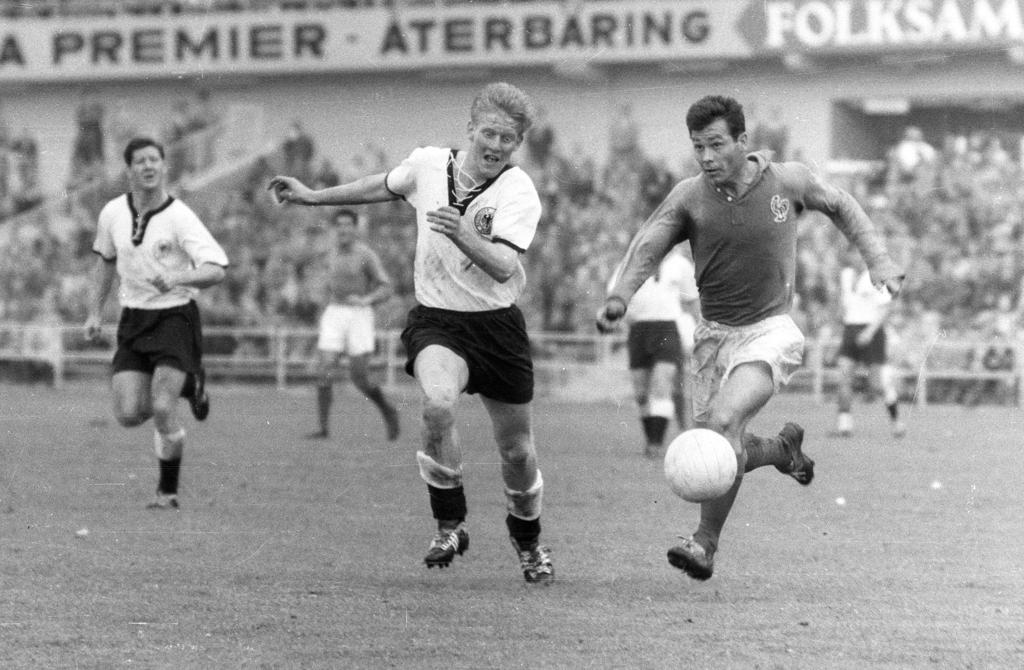
Just Fontaine: France’s One-Tournament Miracle
Just Fontaine scored 13 World Cup goals for France, all in the 1958 tournament. No player has ever scored more in a single World Cup.
Fontaine played only six World Cup matches and scored 13 times. That rate remains almost unbelievable. Many great players have needed several tournaments to approach his total. Fontaine did it in one.
France did not win the 1958 World Cup, but Fontaine became one of its permanent legends. His finishing was relentless, and his movement repeatedly placed him in scoring positions. He punished opponents in a way that has never been reproduced at the tournament.
The record’s endurance adds to its power. Football has changed, the tournament has expanded, and many elite players have tried. Still, no one has broken Fontaine’s 13-goal single-edition mark.
His legacy is proof that World Cup immortality does not always require a long tournament career. One extraordinary month can be enough.
Pele: Brazil’s Three-Time World Cup Winner
Pele scored 12 World Cup goals in 14 matches for Brazil and remains the only player to win the tournament three times.
His World Cup story began in 1958, when he was just 17. He scored six goals, including decisive strikes in the semi-final and final, and helped Brazil win the trophy. His talent seemed impossibly mature for his age.
In 1962, Pele scored once before injury limited his involvement, but Brazil still won the title. In 1966, he scored again, though Brazil were eliminated early. In 1970, Pele returned as the leader of a legendary Brazil side and scored four goals as the team won another World Cup.
Pele’s scoring record is excellent, but his World Cup legacy is even larger. He was a scorer, creator, dribbler, header of the ball and leader. He could make teammates better while also deciding matches himself.
His 12 goals place him among the tournament’s top scorers, but his three titles make him unique. No World Cup conversation is complete without Pele because no player has combined scoring, influence and team success in quite the same way.
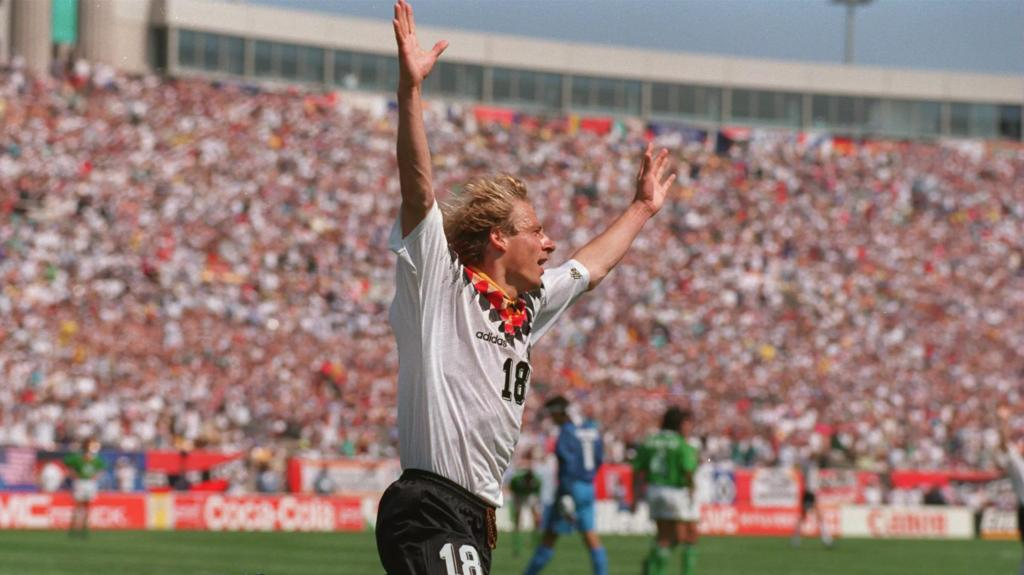
Jurgen Klinsmann: Germany’s Reliable Tournament Forward
Jurgen Klinsmann scored 11 World Cup goals in 17 matches for West Germany and Germany across 1990, 1994 and 1998.
Klinsmann was part of the 1990 World Cup-winning squad and scored three goals during that campaign. In 1994, he added five more, and in 1998, he scored three again. His record shows sustained impact across three tournaments.
He was a forward who combined movement, aerial ability and competitive edge. He attacked crosses, pressed defenders and worked hard without losing his finishing instinct.
Klinsmann may not always be discussed with the very top strikers in football history, but his World Cup record is undeniable. Eleven goals at the tournament is a mark of elite consistency.
Germany has produced many players who seemed built for tournament football. Klinsmann fits that tradition perfectly: effective, disciplined, decisive and reliable.
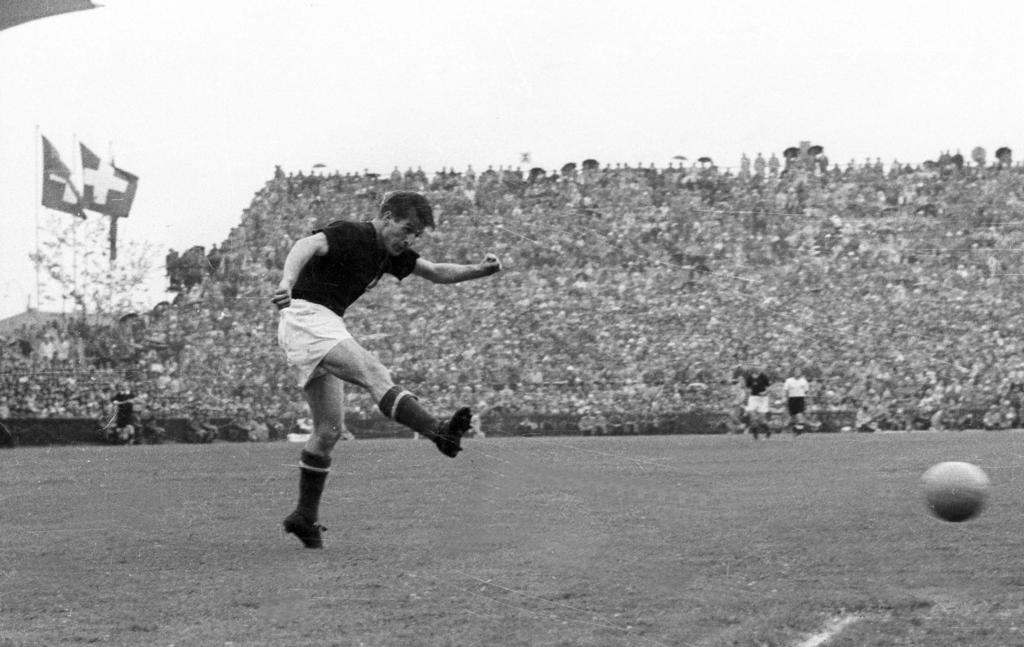
Sandor Kocsis: Hungary’s Golden Head
Sandor Kocsis scored 11 goals in only five World Cup matches for Hungary in 1954.
He was part of the Magical Magyars, the great Hungary team that played some of the most advanced attacking football of the era. Kocsis was their main finisher, known especially for his heading ability.
His scoring rate is extraordinary. Eleven goals in five matches means he produced one of the most destructive World Cup campaigns ever. He was powerful in the air, intelligent in his movement and clinical when chances came.
Hungary reached the 1954 final but lost to West Germany in the famous Miracle of Bern. That defeat remains one of the most dramatic results in World Cup history.
Kocsis did not win the trophy, but his record remains near the top of the all-time list. Like Fontaine, he proved that one exceptional World Cup can secure a player’s place forever.
Cristiano Ronaldo: 10 Goals for Portugal
Cristiano Ronaldo has scored 10 FIFA World Cup goals in 24 matches for Portugal across six tournaments: 2006, 2010, 2014, 2018, 2022 and 2026.
Few players in football history have matched Ronaldo’s longevity on the World Cup stage. By appearing in six tournaments, he has set a benchmark for consistency, fitness and elite-level performance across two decades of international football.
Ronaldo scored one goal in 2006, one in 2010 and one in 2014 before producing his most prolific World Cup campaign in 2018, when he netted four times, including a memorable hat-trick against Spain. He added another goal in 2022 and has already scored twice at the 2026 FIFA World Cup, bringing his overall tally to 10 goals.
Unlike many traditional strikers, Ronaldo’s game evolved dramatically throughout his career. He began as an explosive winger known for his dribbling and pace before transforming into one of the most complete goalscorers football has ever seen. His World Cup goals have come from penalties, free-kicks, headers and clinical finishes inside the box.
While Portugal has never reached a World Cup final during Ronaldo’s career, he has consistently delivered on the biggest stage and remained the focal point of the national team. His leadership, experience and ability to produce decisive moments have helped Portugal compete with the world’s strongest football nations.
With 10 World Cup goals in 24 appearances and counting, Ronaldo remains Portugal’s greatest World Cup goalscorer. His achievements across six tournaments highlight not only his remarkable talent but also an unprecedented level of endurance and excellence in international football history.
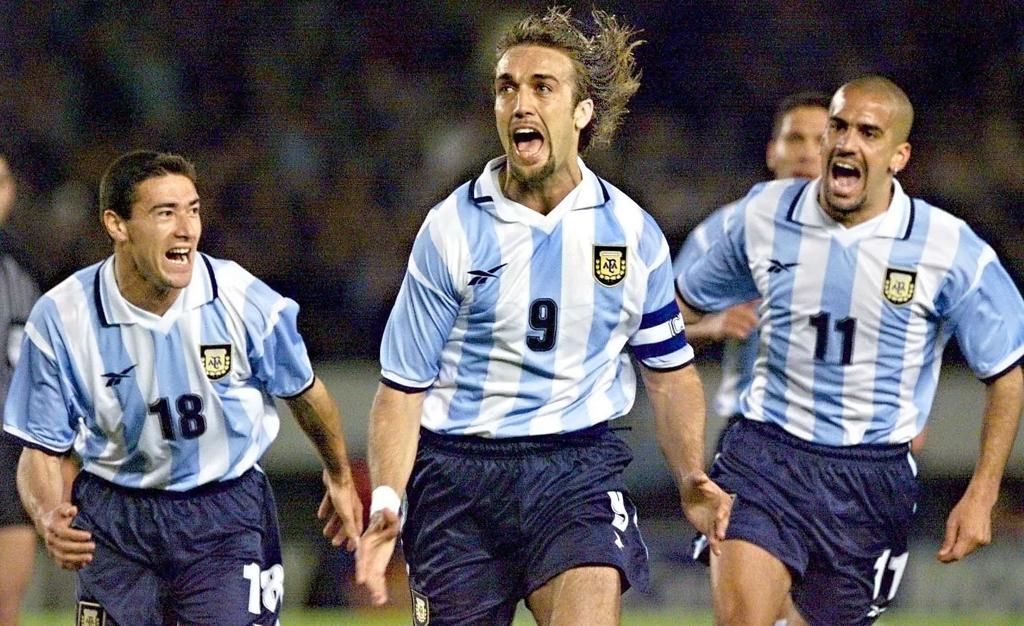
Gabriel Batistuta: Argentina’s Classic Number Nine
Gabriel Batistuta scored 10 World Cup goals in 12 matches for Argentina across 1994, 1998 and 2002.
Batistuta was one of the purest strikers of his generation. He was powerful, direct and capable of scoring with thunderous finishes. His game was built around the final action: the shot.
He scored four goals in 1994, five in 1998 and one in 2002. Before Messi moved to the top of Argentina’s World Cup scoring records, Batistuta was the country’s leading modern reference point.
His record includes memorable hat-tricks and clinical finishes. He gave Argentina a central striker who could turn possession into goals quickly.
Argentina did not reach a final during Batistuta’s World Cup years, which limited his chance to add more. Even so, 10 goals in 12 matches is an outstanding return.
Batistuta remains one of the great examples of a traditional striker whose main job was simple: give him the ball near goal, and he could punish anyone.
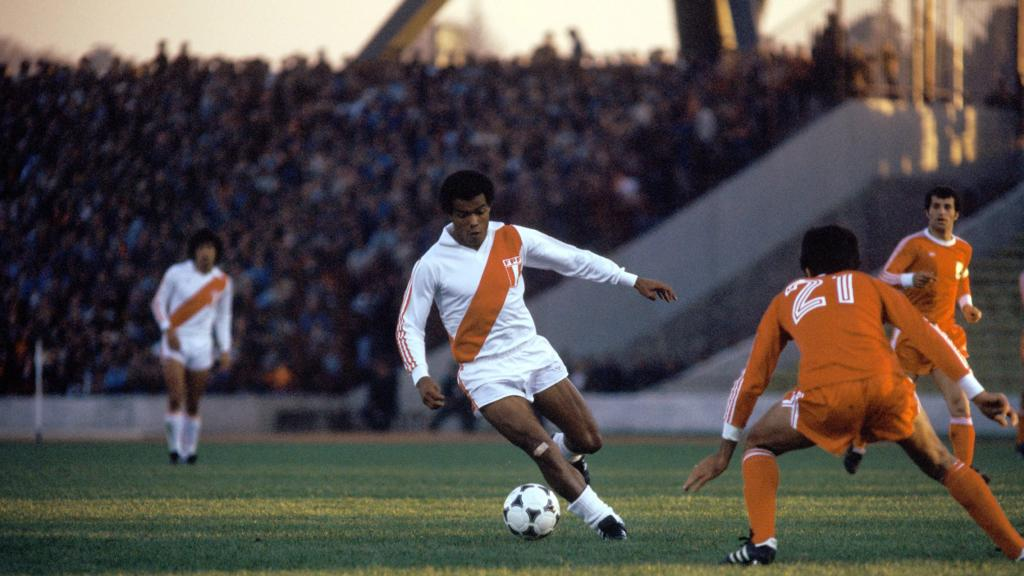
Teofilo Cubillas: Peru’s World Cup Icon
Teofilo Cubillas scored 10 World Cup goals in 13 matches for Peru across 1970, 1978 and 1982.
Cubillas is one of the greatest players Peru has ever produced. He scored five goals in 1970 and five more in 1978, giving him a total that still stands among the best in tournament history.
His achievement is especially impressive because Peru were not a constant semi-final or final contender. He had fewer deep-tournament opportunities than many players from the major World Cup powers.
Cubillas was not a simple centre-forward. He was creative, technically gifted and capable of scoring from midfield or attacking positions. His free-kicks, long-range shots and intelligent movement made him one of the most elegant players of his generation.
His place on the all-time list shows that the World Cup honours more than the biggest nations. It also preserves the stories of players who lifted their countries into global football memory.
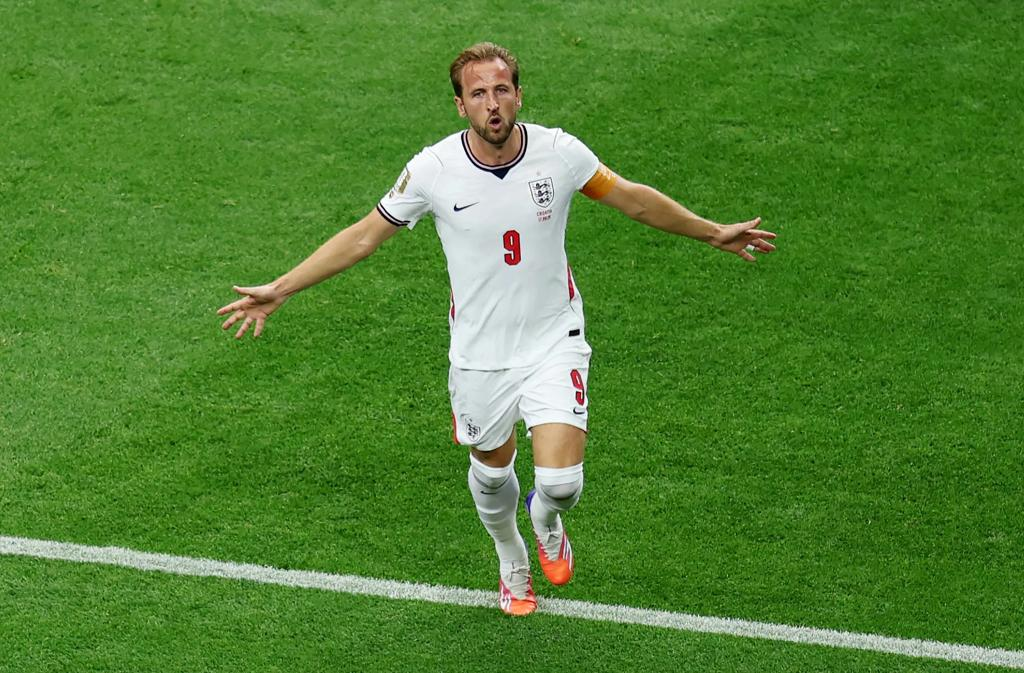
Harry Kane: England’s Modern Scoring Leader
Harry Kane has scored 10 World Cup goals in 12 matches for England across 2018, 2022 and 2026.
Kane’s first major World Cup came in 2018, when he scored six goals and won the Golden Boot. England reached the semi-finals, and Kane became the leading striker of a new English tournament era.
He added two goals in 2022 and two more in 2026, moving to 10 overall. His record places him among England’s greatest World Cup scorers.
Kane is more than a penalty-box finisher. He can drop deep, link play, pass into runners and still arrive in scoring areas. His penalty ability also makes him a consistent tournament threat.
His World Cup legacy still has room to grow. The goals are already there. What would elevate the story further is a defining final or trophy-winning moment with England.
Even without that, Kane’s scoring record confirms his place among the best international forwards of his generation.
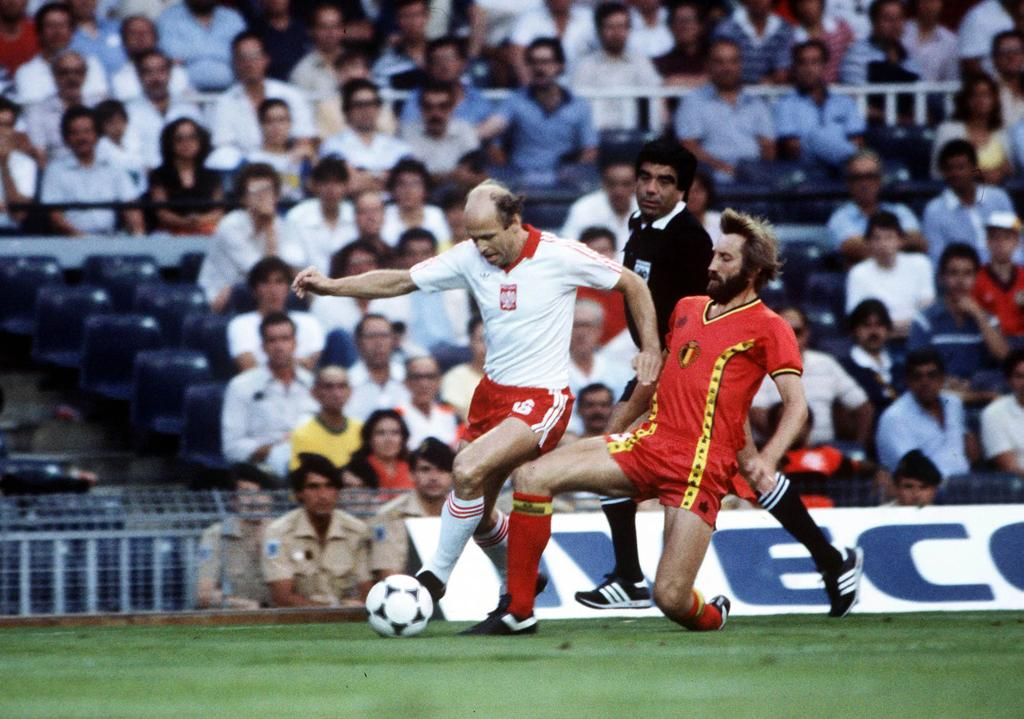
Grzegorz Lato: Poland’s Golden Boot Winner
Grzegorz Lato scored 10 World Cup goals in 20 matches for Poland across 1974, 1978 and 1982.
His strongest tournament came in 1974, when he scored seven goals and finished as the competition’s top scorer. Poland surprised many observers with their quality, and Lato was central to their attacking threat.
He added two goals in 1978 and one in 1982, showing that his World Cup impact lasted beyond one tournament.
Lato was known for pace, direct running and clever movement. He attacked space well and had the composure to finish when chances arrived.
Poland’s great sides of the 1970s and early 1980s remain an important part of World Cup history. Lato’s 10 goals make him one of the central figures of that period.
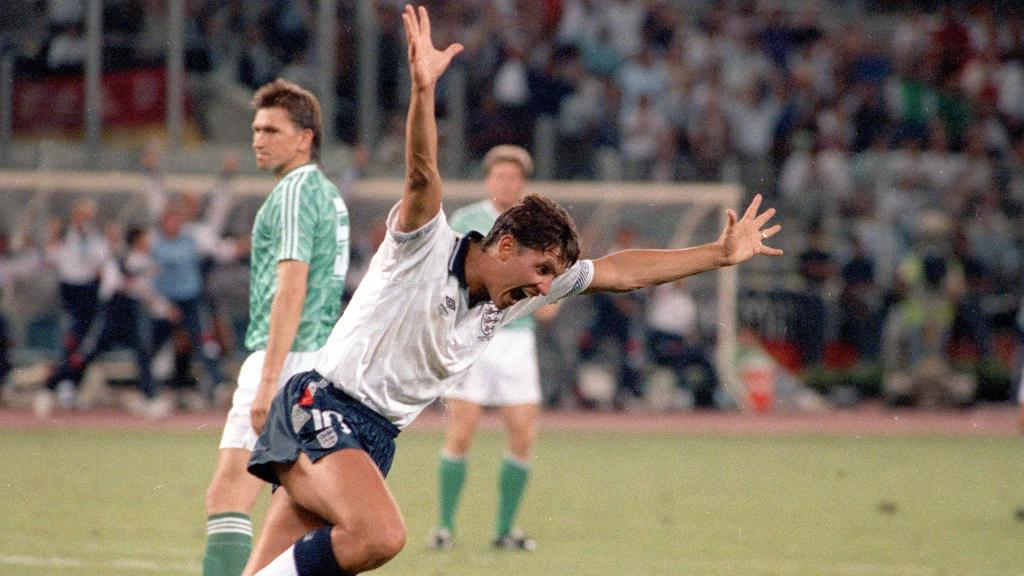
Gary Lineker: England’s Penalty-Box Specialist
Gary Lineker scored 10 World Cup goals in 12 matches for England across 1986 and 1990.
Lineker’s defining tournament came in 1986, when he scored six goals and won the Golden Shoe. He added four more in 1990 as England reached the semi-finals.
His equaliser against West Germany in the 1990 semi-final remains one of England’s most famous World Cup goals. England lost on penalties, but Lineker’s role in the campaign remains firmly remembered.
Lineker was a master of movement. He did not need to dominate physically. He found space, reacted quickly and finished calmly. Many of his goals came from understanding where the ball would fall before defenders did.
Ten goals in 12 matches is an elite return. Lineker remains one of England’s most efficient tournament forwards.
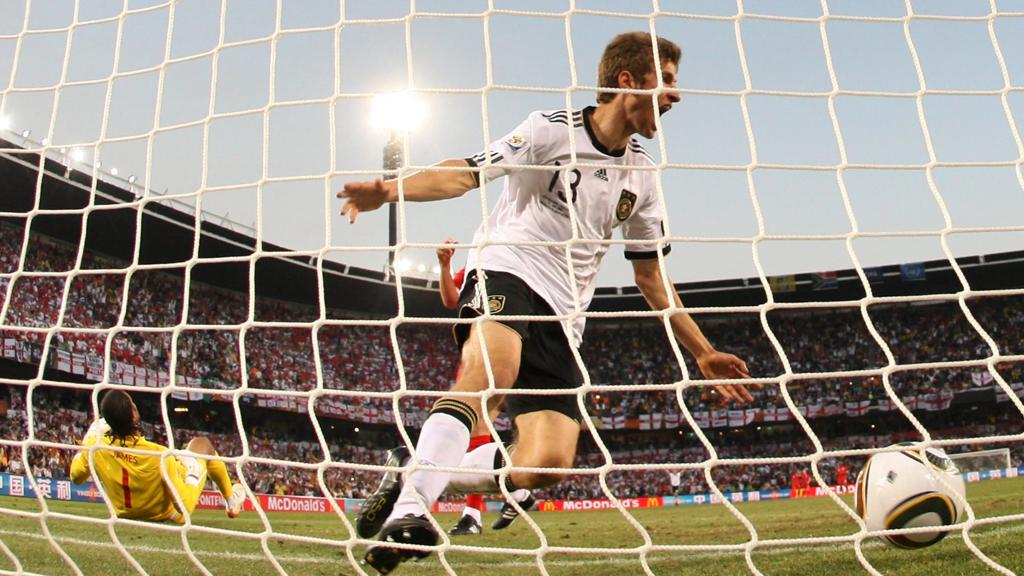
Thomas Muller: Germany’s Space Interpreter
Thomas Muller scored 10 World Cup goals in 19 matches for Germany across 2010, 2014, 2018 and 2022.
Muller exploded onto the World Cup stage in 2010, scoring five goals and winning the Golden Boot. Four years later, he scored five more as Germany won the World Cup in Brazil.
Unlike many names on the list, Muller was not a conventional striker. He was an attacker who found space in unusual areas. He could drift, arrive late, collect rebounds and punish small defensive mistakes.
His intelligence made him difficult to mark. Opponents could not always assign one defender to him because he did not stay in predictable zones.
Muller did not add more goals in 2018 or 2022, but his earlier tournaments had already secured his place among the competition’s leading scorers.
His record shows that World Cup scoring is not only about power or speed. Sometimes it is about reading space better than everyone else.
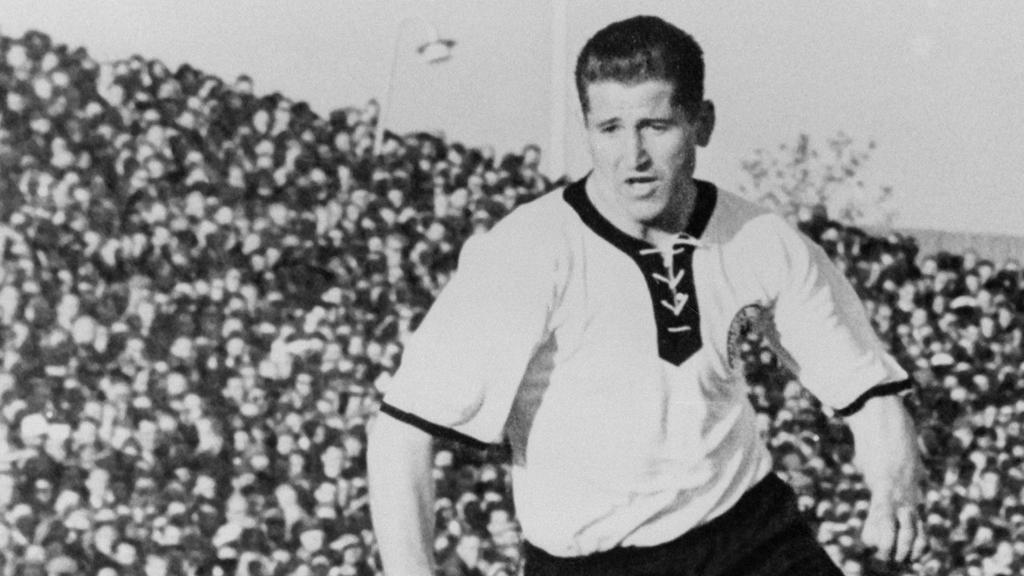
Helmut Rahn: The Miracle of Bern Hero
Helmut Rahn scored 10 World Cup goals in 10 matches for West Germany across 1954 and 1958.
Rahn’s most famous contribution came in the 1954 final against Hungary. His winning goal completed West Germany’s comeback and created the Miracle of Bern, one of the most important moments in German football history.
He scored four goals in 1954 and six in 1958. His goal-per-game record is outstanding and places him among the most efficient scorers in World Cup history.
Rahn was a direct forward with strong shooting and a sense for major moments. His World Cup legacy is not just statistical. It is emotional and national.
Scoring 10 World Cup goals is impressive. Scoring the winning goal in a final that changes a nation’s football identity is legendary.
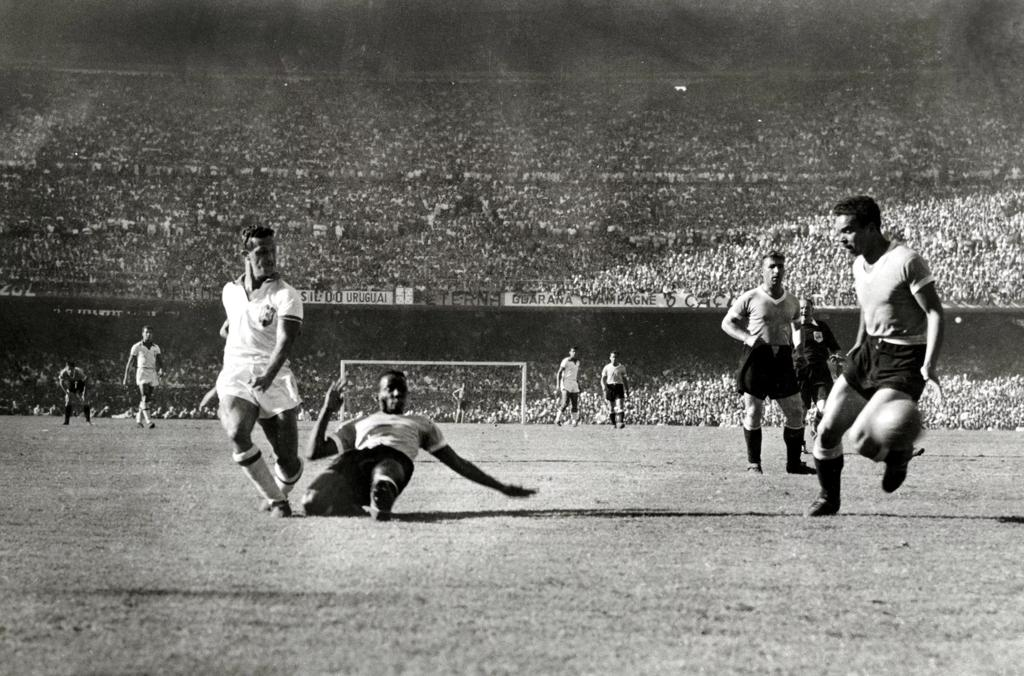
Ademir: Brazil’s 1950 Scoring Star
Ademir scored nine goals in six matches for Brazil at the 1950 World Cup.
He was the tournament’s top scorer and one of Brazil’s earliest World Cup attacking icons. Playing on home soil, Brazil reached the decisive final match against Uruguay with enormous expectations.
Ademir’s scoring was a major reason Brazil went so far. He was sharp, mobile and effective in front of goal.
The tournament ended in heartbreak for Brazil after defeat to Uruguay at the Maracana. That result became one of the most painful moments in the country’s football history.
But Ademir’s individual achievement remains exceptional. Nine goals in six matches is a scoring rate that many later greats never matched.
His legacy belongs to the beginning of Brazil’s World Cup scoring tradition.
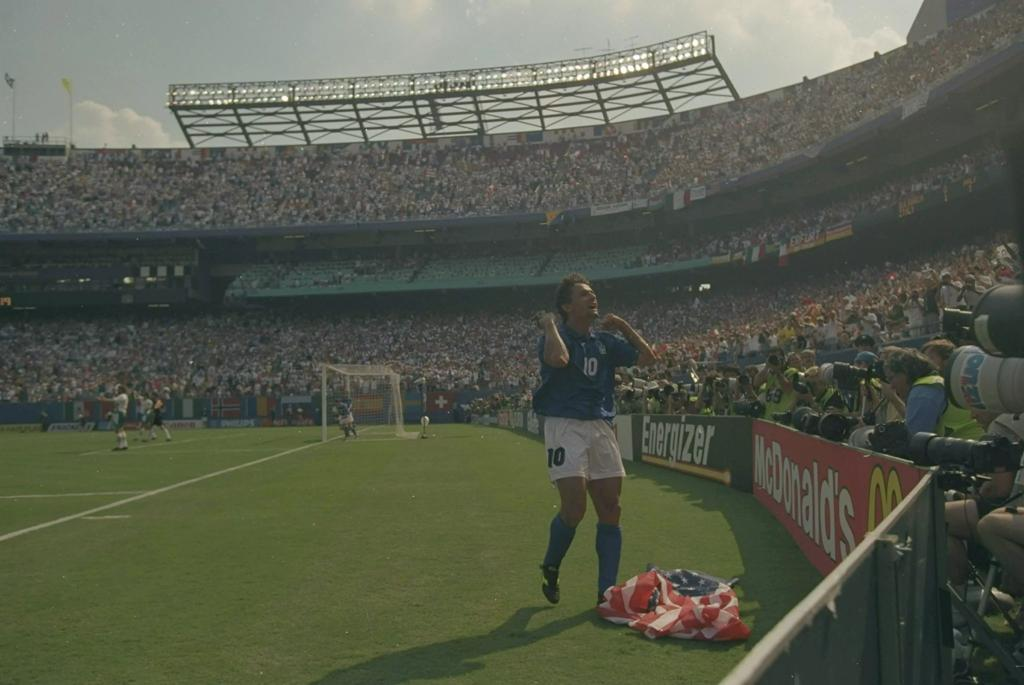
Roberto Baggio: Italy’s Artist and Finisher
Roberto Baggio scored nine World Cup goals in 16 matches for Italy across 1990, 1994 and 1998.
Baggio was not a pure striker. He was a creative forward, a number 10, a dribbler and a finisher. His game carried elegance and danger in equal measure.
His most famous World Cup came in 1994. Italy began slowly, but Baggio took over the knockout rounds. He scored decisive goals against Nigeria, Spain and Bulgaria to carry Italy to the final.
The final ended with Baggio missing the decisive penalty in the shootout against Brazil. That image became unforgettable, but it should not reduce his tournament to one moment. Italy reached that final largely because of him.
Baggio also scored in 1990 and 1998, proving his quality across three editions.
His nine goals show that beauty and efficiency can exist together. Baggio was an artist, but he also delivered numbers.
Eusebio: Portugal’s 1966 Superstar
Eusebio scored nine goals in six matches for Portugal at the 1966 World Cup.
His tournament remains one of the greatest individual performances in the competition’s history. Portugal were playing in their first World Cup, and Eusebio turned them into one of the stories of the tournament.
His most famous match came against North Korea. Portugal trailed 3-0, but Eusebio scored four goals in a dramatic comeback. That performance became part of World Cup folklore.
Eusebio had extraordinary power, pace and shooting ability. He could score from distance, carry the ball forward and finish under pressure.
Portugal finished third, and Eusebio finished as the tournament’s top scorer. His nine-goal campaign gave Portugal a lasting place in World Cup history.
He remains one of the greatest players never to win the tournament.
Jairzinho: Brazil’s Every-Match Scorer
Jairzinho scored nine World Cup goals in 16 matches for Brazil across 1966, 1970 and 1974.
His legacy is defined by the 1970 World Cup, where he scored in every match as Brazil won the trophy. That achievement remains one of the rarest scoring feats in tournament history.
Jairzinho was part of a legendary attacking team with Pele, Tostao, Rivelino and Carlos Alberto. In that side, he gave Brazil directness, pace and power from wide positions.
He scored in the final against Italy, helping Brazil complete one of the most celebrated campaigns in football.
Jairzinho was not a traditional centre-forward, which makes his record even more impressive. He scored from wide attacking roles and consistently arrived in decisive areas.
His nine goals and his every-match record make him one of Brazil’s most important World Cup forwards.
Paolo Rossi: Italy’s 1982 Hero
Paolo Rossi scored nine World Cup goals in 14 matches for Italy across 1978 and 1982.
Rossi’s legend is tied to the 1982 World Cup. After a quiet start, he came alive when Italy needed him most. His hat-trick against Brazil is one of the most famous World Cup performances ever.
He then scored twice against Poland in the semi-final and opened the scoring in the final against West Germany. Italy won the World Cup, and Rossi became the face of the triumph.
Rossi’s greatness came from timing and instinct. He was not physically dominant, but he sensed chances before defenders did.
His nine goals are impressive, but the timing of those goals makes him unforgettable. He scored when the tournament was at its most decisive.
Few players have turned one knockout run into a legacy as powerful as Rossi’s.
Karl-Heinz Rummenigge: West Germany’s Elite Forward
Karl-Heinz Rummenigge scored nine World Cup goals in 19 matches for West Germany across 1978, 1982 and 1986.
Rummenigge was one of Europe’s strongest forwards of his generation. He combined technical ability, movement and finishing with leadership and tactical intelligence.
His best World Cup scoring return came in 1982, when he scored five goals and helped West Germany reach the final. He also scored three in 1978 and one in 1986.
Although he did not win the World Cup as a player, he appeared in multiple strong West German sides and remained a central attacking figure.
His nine goals show consistent quality across three tournaments. He was not defined by one campaign alone.
Rummenigge’s place on the list reflects Germany’s long tradition of producing forwards who thrive on the World Cup stage.
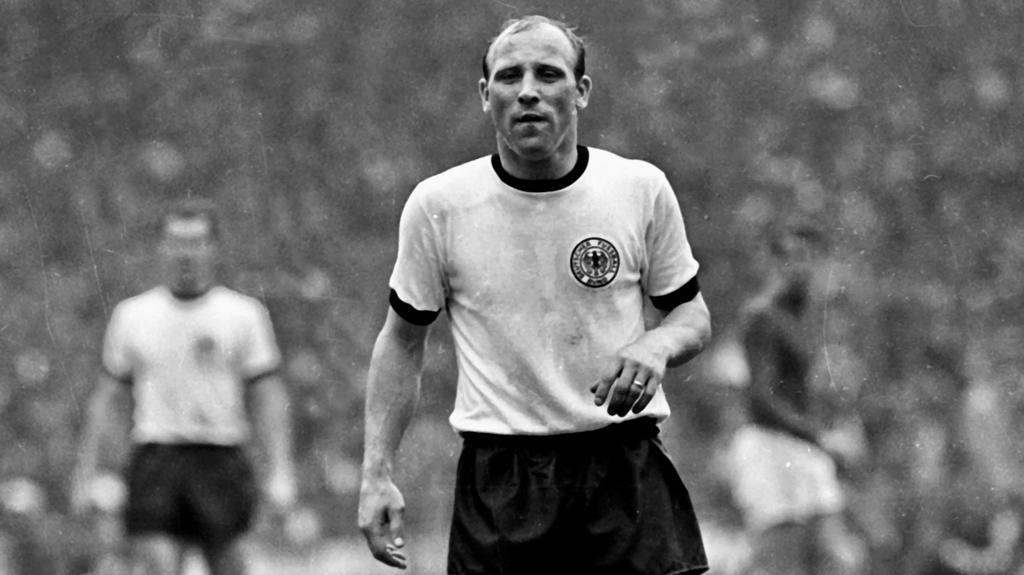
Uwe Seeler: West Germany’s Long-Serving Scorer
Uwe Seeler scored nine World Cup goals in 21 matches for West Germany across 1958, 1962, 1966 and 1970.
Seeler’s record is significant because of his longevity. He played in four World Cups and scored across different phases of his international career.
He was a strong and committed forward who could lead the attack, score headers and finish with intelligence. He was not only a goalscorer but also a respected leader.
Seeler helped West Germany remain competitive during a long period. He reached the 1966 final and continued to contribute at the highest level.
Nine goals across four tournaments may not match the scoring rate of Fontaine or Kocsis, but it shows durability and reliability.
Seeler’s World Cup career is a tribute to consistency, service and national-team importance.
Vava: Brazil’s Final Scorer
Vava scored nine World Cup goals in 10 matches for Brazil across 1958 and 1962.
He was a key striker in Brazil’s back-to-back World Cup-winning teams. In 1958, he scored five goals, including two in the final against Sweden. In 1962, he added four more as Brazil won again.
Vava played alongside extraordinary talents such as Pele and Garrincha, but his own contribution was vital. He gave Brazil a reliable central finisher.
His ability to score in finals made him especially important. World Cup final goals are rare, and Vava delivered them in a title-winning context.
Nine goals in 10 matches is an outstanding return. His efficiency deserves more recognition than it sometimes receives.
Vava remains one of Brazil’s most important tournament forwards and a central figure in the country’s early World Cup dominance.
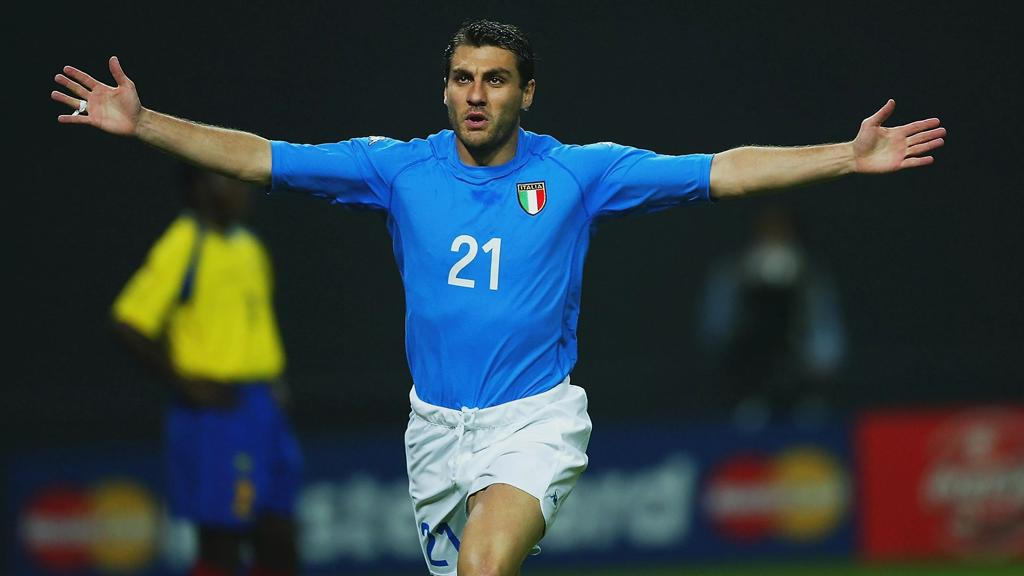
Christian Vieri: Italy’s Goal-Per-Game Striker
Christian Vieri scored nine World Cup goals in nine matches for Italy across 1998 and 2002.
His scoring rate is one of the best among modern World Cup forwards. Vieri scored five goals in 1998 and four more in 2002, despite Italy not reaching the final in either tournament.
He was a powerful number nine with excellent left-footed finishing. He could hold off defenders, dominate physically and attack crosses with authority.
At his peak, Vieri was one of the most feared strikers in the world. His World Cup numbers show that his quality translated clearly to international football.
Italy’s exits limited his chance to build a larger total. With deeper runs, he could have climbed far higher.
Still, nine goals in nine matches is an elite record. Vieri belongs among the most efficient strikers in World Cup history.
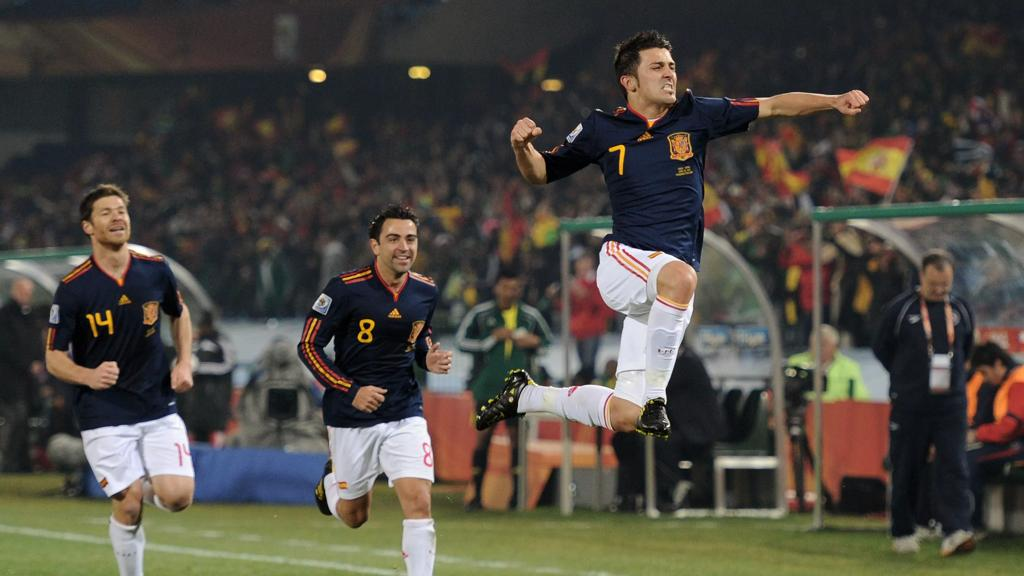
David Villa: Spain’s Greatest World Cup Scorer
David Villa scored nine World Cup goals in 12 matches for Spain across 2006, 2010 and 2014.
Villa is Spain’s leading World Cup scorer and one of the most important forwards in the country’s golden generation. His biggest tournament came in 2010, when Spain won the World Cup for the first time.
Spain’s 2010 team controlled matches through midfield dominance, but Villa provided the goals that made possession meaningful. He scored five times in the tournament and repeatedly delivered in tight matches.
Villa could play centrally or from the left. He had quick movement, excellent technique and a clean finishing touch.
He scored three goals in 2006, five in 2010 and one in 2014. His nine-goal total places him among the competition’s great scorers.
Without Villa’s finishing, Spain’s greatest generation may not have completed its World Cup triumph.
What Makes a Great World Cup Scorer
The greatest World Cup scorers share several qualities, even if their playing styles differ.
They are calm under pressure. They understand movement. They make limited chances count. They adapt to international football’s slower preparation time and higher emotional burden.
Some rely on speed, such as Mbappe. Some rely on movement, such as Klose. Some rely on instinct, such as Muller and Rossi. Some rely on power, such as Batistuta and Vieri. Some rely on complete attacking influence, such as Messi, Pele and Baggio.
The World Cup does not reward one style only. It rewards effectiveness. The list proves that goals can come from centre-forwards, wide forwards, second strikers and playmakers.
That variety is what makes the ranking so rich. It is not just a list of strikers. It is a list of footballers who found different ways to be decisive on the sport’s biggest stage.
Efficiency, Longevity and Legacy
The all-time scoring list can be understood through three ideas: efficiency, longevity and legacy.
Fontaine, Kocsis, Muller, Rahn and Vieri stand out for efficiency. They scored at extraordinary rates in relatively few matches. Messi, Klose, Pele, Seeler and Klinsmann stand out for longevity and repeated tournament contribution. Rossi, Vava, Jairzinho and Villa stand out because their goals were tied to trophy-winning campaigns.
Mbappe is special because he combines modern efficiency with the possibility of long-term record-breaking. Messi is special because he combined longevity, leadership, scoring and World Cup victory.
Legacy depends on more than numbers. A final goal, a comeback hat-trick or a title-winning tournament can give a scorer a permanent emotional place in football history.
That is why the all-time list remains so powerful. It tells us who scored the most, but it also reminds us when those goals mattered.
Conclusion
World Cup top scorers are footballers who turned rare chances into permanent history. The FIFA World Cup is the hardest stage on which to build a scoring record because opportunities are limited and pressure is extreme. Every goal carries meaning beyond the scoreboard.
Lionel Messi leads the list with 18 goals for Argentina, completing a journey from teenage promise to world champion and all-time scoring leader. Kylian Mbappe has already reached 16 goals in only 16 matches and may one day take the record. Miroslav Klose remains the great symbol of World Cup consistency. Ronaldo remains the explosive phenomenon who returned from injury to conquer the world. Gerd Muller, Just Fontaine and Pele remain timeless examples of efficiency, scoring genius and tournament greatness.
The wider list is just as important. Jurgen Klinsmann, Sandor Kocsis, Gabriel Batistuta, Teofilo Cubillas, Harry Kane, Grzegorz Lato, Gary Lineker, Thomas Muller, Helmut Rahn, Ademir, Roberto Baggio, Eusebio, Jairzinho, Paolo Rossi, Karl-Heinz Rummenigge, Uwe Seeler, Vava, Christian Vieri and David Villa all belong to the same story.
Some scored in finals. Some scored in comebacks. Some carried nations that fell short. Some became champions. Together, they form the scoring history of the world’s greatest football tournament.
Records may change in future World Cups, especially with active stars still chasing the top. But the names already on this list have achieved something permanent. They scored when the world was watching, and those goals will remain part of football memory for generations.
Source: FIFA