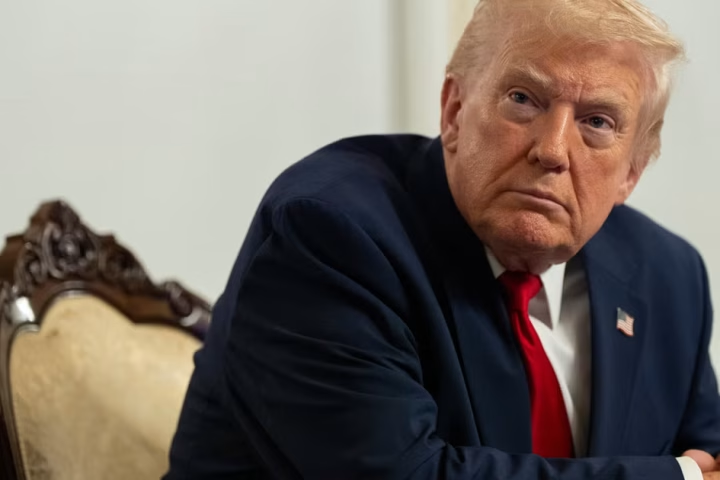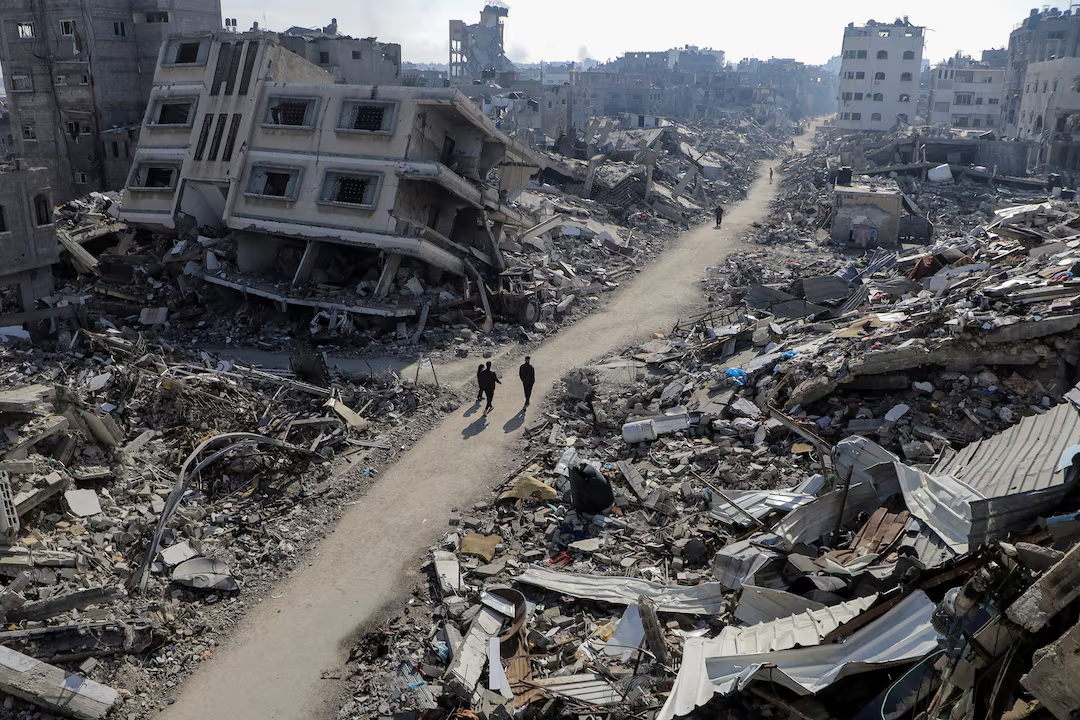
US President Donald Trump and Israeli Prime Minister Benjamin Netanyahu are set to meet for crucial talks regarding the ongoing Gaza ceasefire. While significant progress has been made, key challenges remain in advancing peace, as both Israel and Hamas have accused each other of breaking parts of the ceasefire agreement. Trump’s efforts are aimed at moving forward with the next phase of the plan, despite the complex and thorny issues ahead.
Challenges in the Gaza Ceasefire Plan
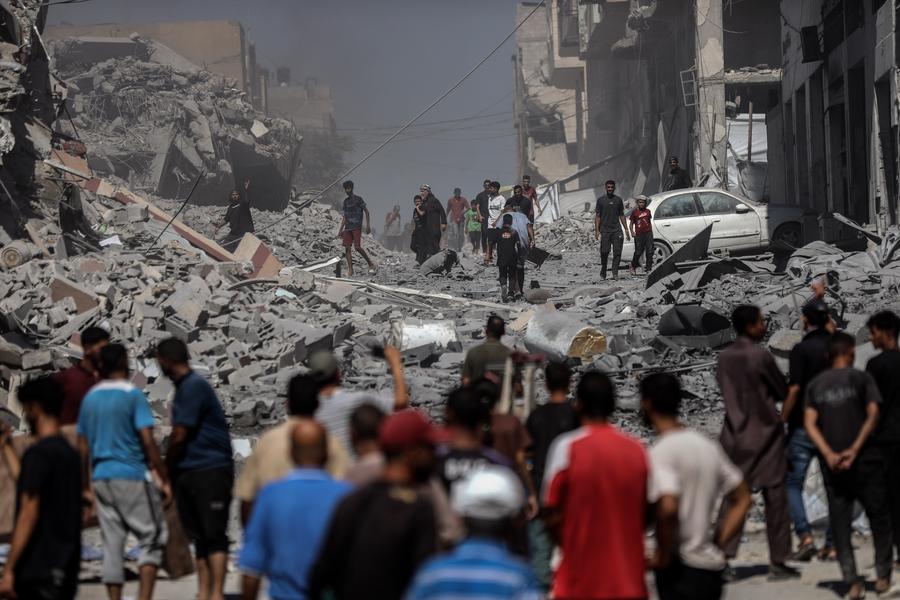
The Gaza ceasefire talks face significant hurdles, as both parties remain in a state of tension despite a general ceasefire agreement made in October. Israel and Hamas have been at odds over the disarmament of Hamas, with Israel warning that military action may resume if Hamas does not comply with the agreement. Palestinian militants have continued to engage in violence, and although the fighting has lessened, it has not fully stopped.
Trump’s proposed peace plan calls for Israel to withdraw from Gaza, with Hamas relinquishing its weapons and giving up its governing role in the enclave. However, both sides remain entrenched in their positions, with Israel accusing Hamas of breaching the terms, particularly with its refusal to disarm.
Hezbollah’s Role in the Broader Middle East Conflict
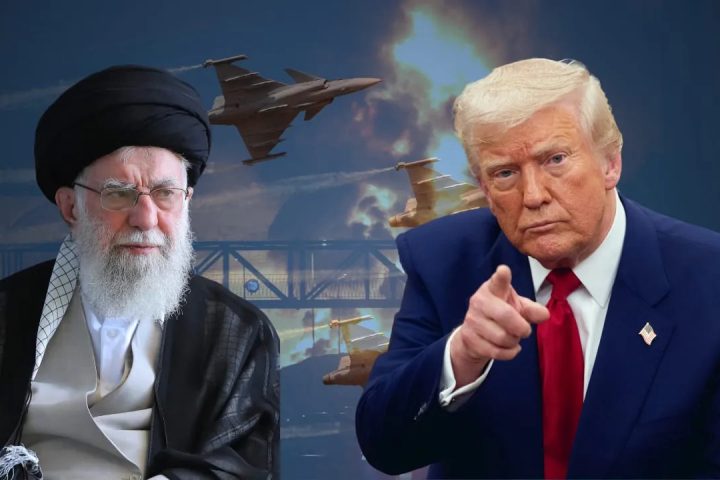
The Gaza ceasefire talks are also being influenced by developments in Lebanon, where Hezbollah has resisted disarmament calls. Despite a US-backed ceasefire in 2024, progress has been slow, with Israel conducting regular strikes in Lebanon to prevent Hezbollah from rearming. Tensions with Iran are also complicating the situation, as Israel continues to monitor Iranian missile activity in the region.
Trump’s meeting with Netanyahu is expected to cover these issues, including the broader concerns regarding Hezbollah’s influence and Iran’s military activities. Both leaders are keen to address these thorny matters as they push for a more comprehensive peace deal in the region.