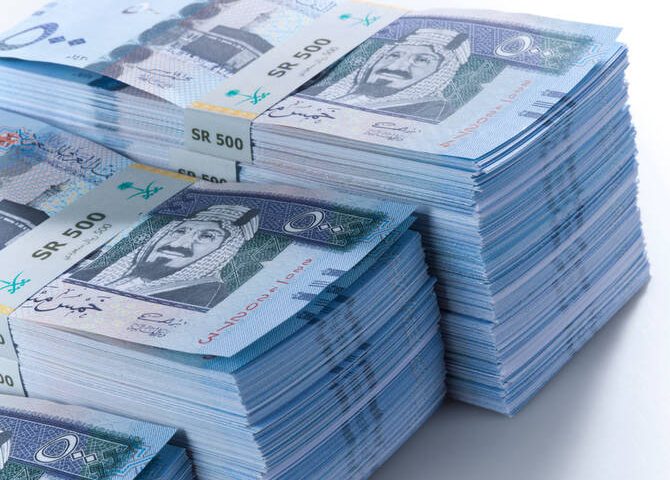
Saudi private markets attracted a record SR20 billion, or about $5.3 billion, from international investors in 2025, marking a major milestone for the Kingdom’s fast-growing private capital ecosystem.
According to Saudi Venture Capital Co., foreign private capital investment accounted for nearly 60 percent of all private market investment recorded in the Kingdom during 2025. The number of international investors participating in Saudi private markets also rose to 148, up sharply from 28 in 2019.
The figures point to rising global confidence in Saudi Arabia’s economic transformation under Vision 2030, which aims to diversify the Kingdom away from oil revenues and build deeper private-sector investment channels across technology, financial services, healthcare, logistics, education and other growth industries.
Saudi Private Markets Attract Record Foreign Investment
The 2025 figures represent the strongest year yet for foreign participation in Saudi Arabia’s private markets.
Saudi Venture Capital Co. reported that international investors deployed about SR20 billion into the Kingdom’s private capital ecosystem during the year, equal to approximately $5.3 billion. The total represented nearly 60 percent of all private market activity in Saudi Arabia in 2025.
That is a significant shift for a market that was still at an early stage just a few years ago.
In 2019, only 28 foreign investors were active in Saudi private markets. By the end of 2025, that figure had risen to 148, reflecting a more than fivefold increase in international investor participation.
The growth suggests that Saudi Arabia is no longer being viewed only as a source of capital. Increasingly, global fund managers are treating the Kingdom as a destination for private equity, venture capital, private debt and other alternative investment strategies.
Cumulative Foreign Investment Exceeds $10.6 Billion
SVC’s latest figures show that cumulative foreign investment in Saudi private markets has now exceeded SR40 billion, or approximately $10.6 billion, since the company began tracking the market.
This cumulative growth matters because it shows that international participation is not limited to one exceptional year.
Instead, foreign investors have steadily increased their exposure as Saudi Arabia’s private capital ecosystem has matured.
The rise also reflects broader confidence in regulatory reforms, startup funding, sector diversification and the expanding role of Saudi Arabia as a regional investment hub.
For private markets, scale is important. The more capital, managers, fund structures and successful transactions a market attracts, the easier it becomes to bring in additional institutional investors.
Saudi Arabia is now entering that deeper phase of ecosystem development.
SVC Sees a Structural Shift in Investor Sentiment
SVC Chief Executive Officer Nora Alsarhan described the increase in foreign participation as a structural shift rather than a short-term surge.
According to the report, international investors increasingly see Saudi Arabia as a standalone investment destination with long-term growth potential.
That distinction is important.
For years, Gulf markets were often viewed by global investors mainly through the lens of sovereign wealth, oil revenues and large state-backed projects. Saudi Arabia’s private market growth suggests a broader change: investors are now seeking exposure to Saudi startups, growth companies, private equity funds and sector-specific opportunities.
This shift is also supported by the Kingdom’s large domestic market, young population, government-backed transformation agenda and rising demand for digital services.
Vision 2030 Drives Private Capital Growth
Saudi Arabia’s private market expansion is closely tied to Vision 2030.
The national transformation plan aims to reduce dependence on oil, increase private-sector participation, develop new industries and attract foreign investment. Private capital plays a central role in that strategy because it helps fund startups, small and medium-sized enterprises, growth companies and innovation-led sectors.
Saudi Arabia has already become the largest venture capital market in the Middle East and North Africa for three consecutive years. In 2025, the Kingdom recorded $1.72 billion in venture capital investment across 257 transactions, according to the Saudi Press Agency, citing the annual Saudi Arabia Venture Capital Report.
That performance reinforces the idea that Saudi Arabia is not only attracting state-backed capital, but also becoming a more active private investment market.
Investment Spreads Across Multiple Sectors
Foreign investment in Saudi private markets is not limited to one industry.
The SVC report highlighted activity across financial technology, e-commerce, healthcare, enterprise software, education technology, food and beverage, and logistics.
This broad sector spread is important because it shows that investors are backing the wider Saudi economic transformation, not simply making bets linked to oil prices or state spending.
Fintech remains one of the strongest areas of growth. Saudi Arabia’s digital payments, banking, lending, insurance and financial infrastructure sectors have benefited from regulatory support and rising consumer adoption.
Healthcare, logistics and education technology are also important because they align with long-term domestic demand. As Saudi Arabia’s population grows and the economy digitizes, these sectors offer opportunities for scalable private companies.
Fintech Remains a Major Investment Magnet
Financial technology has become one of the clearest beneficiaries of Saudi Arabia’s private market expansion.
Fintech companies are attracting funding because the Kingdom is modernizing payments, banking services, consumer finance, insurance technology and digital lending.
Saudi Arabia’s regulatory environment has also become more supportive of fintech innovation, helping companies test and scale new financial services.
For international investors, fintech is attractive because it combines large domestic demand with government support for digital transformation.
As more consumers and businesses move toward digital financial services, Saudi Arabia could become one of the region’s most important fintech markets.
Saudi Arabia Leads MENA Venture Capital
Saudi Arabia maintained its position as the largest venture capital market in the Middle East and North Africa in 2025.
Total venture capital investment in the Kingdom reached $1.72 billion across 257 deals, setting records for both funding value and transaction volume.
That leadership is important for private markets because venture capital often acts as the foundation for a wider investment ecosystem.
A strong venture market helps create startups, attract accelerators, support growth-stage funding, develop exit opportunities and draw in international limited partners.
It also gives private equity and late-stage investors a larger pipeline of companies to back as they mature.
Saudi Arabia’s leadership in MENA venture capital therefore supports the broader rise in private capital investment.
Regulatory Reforms Support Investor Confidence
Saudi Arabia’s private market growth has been supported by regulatory reforms designed to make investment easier and more familiar for international institutions.
SVC has worked with the Capital Market Authority to simplify investment procedures, reduce transaction timelines and introduce structures that are more aligned with international limited partnership standards.
These reforms matter because institutional investors need legal certainty, clear fund structures and predictable processes before allocating capital to private markets.
When investment procedures are complex or unfamiliar, foreign investors face higher legal costs and longer due diligence timelines.
By reducing administrative friction, Saudi Arabia is making its market easier for global funds to enter.
Private Markets Benefit From Saudi Arabia’s Larger Investment Momentum
The private market figures come as Saudi Arabia continues to attract broader investment attention.
Foreign direct investment inflows into Saudi Arabia reached SR26.6 billion, or about $7.1 billion, in the first quarter of 2026, up 2.4 percent year on year, according to official data from the General Authority for Statistics cited by Arab News.
Net FDI inflows, however, were reported at SR23.1 billion in the same quarter after accounting for outflows, showing that headline investment momentum remains positive even as quarterly movements vary.
This broader investment backdrop helps private markets because foreign capital often flows through multiple channels at once, including direct investment, sovereign partnerships, private equity, venture capital and fund commitments.
PIF’s Scale Reinforces Saudi Arabia’s Investment Position
Saudi Arabia’s Public Investment Fund remains central to the Kingdom’s economic transformation.
Arab News reported that PIF’s total assets rose to SR4.54 trillion, or about $1.21 trillion, by the end of 2025, up 5.09 percent from the previous year, according to a disclosure filed with the London Stock Exchange.
The fund’s scale gives Saudi Arabia significant financial capacity to support domestic development, strategic industries, technology investment and global partnerships.
Reuters reported in April 2026 that PIF’s new five-year strategy would place greater emphasis on the domestic economy, with the fund governor saying local investment should account for 80 percent of the portfolio while international investment would move toward 20 percent.
That domestic focus could create more partnership opportunities for private equity firms, venture capital managers and global investors seeking co-investment opportunities in Saudi Arabia.
Why International Investors Are Paying Attention
International investors are paying closer attention to Saudi Arabia for several reasons.
First, the Kingdom has a large and growing domestic market.
Second, Vision 2030 has created a clear policy framework for diversification.
Third, government-backed institutions such as SVC and PIF are helping build the investment ecosystem.
Fourth, Saudi startups and growth companies are attracting larger funding rounds.
Fifth, regulatory reforms are reducing friction for foreign capital.
Together, these factors are making Saudi Arabia more investable.
For global private equity and venture capital firms, Saudi Arabia now offers a combination of growth, capital availability, sector reform and long-term state support.
That combination is difficult to ignore.
Private Capital Is Becoming More Institutional
The rise from 28 foreign investors in 2019 to 148 in 2025 shows that Saudi Arabia’s private market ecosystem is becoming more institutional.
Institutionalization means more than attracting money.
It also means developing professional fund managers, clearer investment rules, stronger governance standards, better reporting, more sector specialization and more predictable exit routes.
These are the features that help private markets move from early-stage growth to long-term maturity.
Saudi Arabia’s next challenge will be proving that private capital can generate consistent returns across market cycles.
If it does, the Kingdom could attract even larger allocations from pension funds, endowments, sovereign funds, family offices and global asset managers.
Challenges Still Remain
Despite the strong numbers, Saudi private markets still face important tests.
The SVC report does not identify the individual foreign investors behind the 148 participants. It also does not provide detailed performance data from earlier funding cycles.
For global institutions, long-term returns matter.
Investors will want to see successful exits, stronger fund performance, transparent reporting and evidence that Saudi private companies can scale profitably.
Exit activity is especially important. Venture capital and private equity markets need mergers, acquisitions, IPOs and secondary transactions to recycle capital and prove returns.
Without a stronger exit environment, investor enthusiasm could slow over time.
More Exits Will Be Critical
Saudi Arabia’s private markets have grown quickly, but the next phase will depend heavily on exits.
Early-stage investment is only one part of the cycle. Investors ultimately need liquidity.
That means Saudi startups and private companies must reach stages where they can be acquired, list publicly or attract later-stage buyers.
A deeper IPO market, more corporate acquisitions and secondary transactions would strengthen investor confidence.
If Saudi companies deliver successful exits, more global institutions are likely to increase allocations.
If exits remain limited, some investors may remain cautious despite strong headline growth.
The Role of Domestic Capital
Foreign investment is rising, but domestic capital remains important.
Saudi Arabia’s private capital ecosystem is supported by local institutions, sovereign-backed initiatives, family offices, corporate investors and government-linked programs.
This domestic base gives the market stability.
International investors often prefer markets where local capital is also active because it signals domestic conviction and reduces dependence on foreign flows.
The fact that foreign investors accounted for nearly 60 percent of private market investment in 2025 shows strong international interest, but Saudi Arabia’s long-term success will depend on both foreign and domestic capital working together.
A Shift From Oil-Linked Perception
One of the most important takeaways from the SVC data is that Saudi private markets are becoming less tied to oil-linked perception.
Investors are allocating capital into sectors such as fintech, healthcare, logistics, education technology and enterprise software.
These industries are linked to digital transformation, consumer demand, business modernization and domestic economic reform.
That gives Saudi Arabia a more diversified investment story.
The Kingdom still remains one of the world’s most important energy producers, but private market growth shows that investors are increasingly interested in its non-oil economy.
This is exactly the kind of shift Vision 2030 was designed to encourage.
What It Means for Startups and SMEs
For Saudi startups and small businesses, rising private capital can be transformative.
More foreign investors mean more funding options, stronger networks, global expertise and access to international markets.
Startups may benefit from larger funding rounds, better mentorship, stronger governance expectations and more opportunities to scale beyond Saudi Arabia.
Small and medium-sized enterprises may also gain access to private equity, private debt and growth capital that can support expansion.
SVC says it has invested in 65 private capital funds, including venture capital, private equity, venture debt and private debt funds, which have invested in more than 1,000 startups and SMEs.
That shows how fund-of-funds capital can spread through the wider business ecosystem.
What It Means for Global Investors
For global investors, Saudi Arabia is becoming harder to ignore.
The Kingdom offers exposure to a large domestic consumer market, government-backed transformation, infrastructure development, digital adoption and expanding private companies.
It also provides access to a region where venture capital and private equity are still developing compared with the U.S., Europe and parts of Asia.
That creates both opportunity and risk.
The opportunity is early exposure to a fast-growing market.
The risk is that private markets are still maturing, and performance data remains limited.
Investors will therefore need to balance growth potential with careful due diligence.
Why 2025 Was a Turning Point
The year 2025 appears to have been a turning point for Saudi private markets.
Foreign private capital reached a record SR20 billion. International investor participation rose to 148. Cumulative foreign investment exceeded SR40 billion. Saudi Arabia also maintained its position as the largest venture capital market in MENA.
Together, these signals show a market moving from early-stage development into broader institutional relevance.
The next phase will depend on whether Saudi Arabia can convert capital inflows into sustainable company growth, stronger exits and competitive fund returns.
If that happens, foreign investor participation could continue rising.
Final Analysis
Saudi Arabia’s private markets are gaining momentum because investors are seeing more than short-term opportunity.
They are seeing a structural economic transformation backed by regulatory reform, sovereign capital, sector diversification and a growing startup ecosystem.
The record $5.3 billion in foreign private capital investment in 2025 shows that international investors are increasingly confident in the Kingdom’s direction.
However, the market is now entering a more demanding phase.
Capital inflows are important, but performance will matter more over time. Investors will want evidence of strong returns, successful exits, scalable companies and transparent fund reporting.
Saudi Arabia has built the foundation. The next test is execution.
Conclusion: Saudi Private Markets Enter a New Growth Phase
Saudi private markets attracted record foreign investment in 2025, with international investors deploying SR20 billion, or about $5.3 billion, into the Kingdom’s private capital ecosystem. The number of foreign investors rose to 148, compared with only 28 in 2019, while cumulative foreign investment exceeded SR40 billion.
The growth reflects rising confidence in Saudi Arabia’s Vision 2030 reforms and the Kingdom’s push to build a diversified, private-sector-led economy.
Investment is spreading across fintech, e-commerce, healthcare, enterprise software, education technology, food and beverage, and logistics, showing that foreign investors are backing a wider non-oil growth story.
The momentum is supported by Saudi Arabia’s broader investment landscape, including strong venture capital growth, rising FDI inflows and the expanding role of PIF in domestic economic development.
For now, Saudi Arabia has clearly established itself as one of the Middle East’s most important private capital markets.
The next challenge is proving that this surge in capital can deliver lasting returns, successful exits and deeper economic diversification.