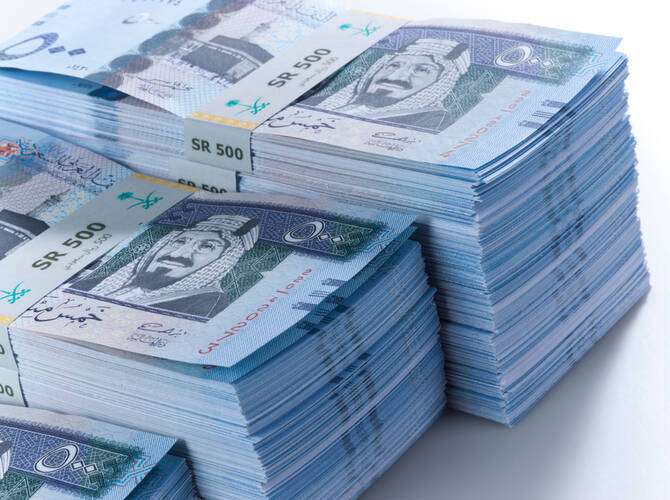
Saudi Banks H1 Profits climbed sharply in the first half of 2026 as Saudi Arabia’s leading lenders benefited from rising credit demand, stronger operating income and improved liquidity, reflecting the continued momentum of the Kingdom’s economic diversification strategy.
The country’s largest banks, including Saudi National Bank (SNB), Al Rajhi Bank, Riyad Bank and Alinma Bank, all posted higher earnings during the first six months of the year. Strong financing activity across housing, infrastructure, tourism and corporate investment helped boost profitability as lending continued to expand at a healthy pace.
The latest financial results reinforce confidence in Saudi Arabia’s banking sector, which remains a key pillar supporting Vision 2030 projects and private-sector growth.
Saudi Banks H1 Profits Rise Across Major Lenders
Saudi National Bank reported a net profit of SR13.02 billion ($3.47 billion) for the first half of 2026, representing a 7.15 percent increase compared with the same period last year.
Al Rajhi Bank recorded the strongest earnings among Saudi lenders, posting a net profit of SR13.76 billion, up 14.15 percent year-on-year.
Riyad Bank announced first-half earnings of SR5.26 billion, reflecting a 3.54 percent increase, while Alinma Bank delivered a 6.24 percent rise in net profit to SR3.27 billion.
Earlier this month, Bank Albilad also reported a 7 percent increase in first-half earnings to SR1.53 billion, while Arab National Bank posted net income of SR2.8 billion, representing a 5 percent annual increase.
Saudi Banks H1 Profits Benefit From Strong Credit Demand
The growth in Saudi Banks H1 Profits coincides with record lending across the Kingdom.
According to data from the Saudi Central Bank, credit extended to the private sector reached an all-time high of SR3.2 trillion in May, marking a 16.2 percent increase from a year earlier.
Banks continued financing major projects linked to housing, infrastructure, tourism, manufacturing and business expansion, all of which remain central to Saudi Arabia’s Vision 2030 transformation agenda.
Analysts believe sustained lending demand has created a solid foundation for earnings growth despite changing global economic conditions.
Operating Income Supports Higher Earnings
Higher operating income played a significant role in improving profitability across the banking sector.
Saudi National Bank increased its total operating income by 5.8 percent to SR20.2 billion, driven by stronger special commission income, investment gains, banking service fees and foreign exchange earnings.
Al Rajhi Bank recorded a 13.9 percent increase in operating income, supported by higher financing returns, investment income, banking fees and exchange income.
Riyad Bank benefited from stronger trading income, dividend income and higher special commission earnings, although lower fee income partially offset those gains.
Alinma Bank also improved operating income by 6.6 percent through stronger financing and investment activities despite weaker exchange and fee income.
Experts Highlight Liquidity and Risk Management
Industry experts said stronger liquidity management and disciplined lending policies contributed significantly to the improved financial performance.
Tony Hallside, Chief Executive Officer of STP Partners, said Saudi banks have diversified their sources of profitability beyond interest rate cycles.
He noted that sustained credit demand from Vision 2030 projects, improved liquidity, prudent risk management and continued digital investment have strengthened the banking sector’s financial position.
Kapil Chadda, Partner at Arthur D. Little, also pointed to healthier liquidity buffers following slower credit expansion late last year.
According to him, stronger capital positions and improved credit quality have reduced loan losses and helped banks deliver some of the highest returns on equity globally.
Saudi Banks H1 Profits Boost Dividend Payments
The strong financial performance also translated into attractive shareholder returns.
Saudi National Bank approved a cash dividend of SR1.15 per share, representing 11.5 percent of capital after zakat for the first half of 2026.
Riyad Bank declared a cash dividend of SR0.64 per share, equivalent to 6.4 percent of capital.
Alinma Bank approved a second-quarter dividend of SR0.25 per share after zakat, representing 2.5 percent of capital.
The dividend announcements highlight management confidence in the sector’s financial strength and future earnings outlook.
Saudi Banking Sector Positioned for Continued Growth
The outlook for the Saudi banking industry remains positive as government investment, private-sector expansion and large infrastructure projects continue to drive financing demand.
With record private-sector lending, improving liquidity and consistent operating income growth, analysts expect Saudi Banks H1 Profits to remain resilient through the second half of 2026.
As Vision 2030 projects gather pace and economic diversification accelerates, Saudi lenders appear well-positioned to sustain earnings growth while supporting the Kingdom’s long-term development objectives.