Iran is moving toward a decisive political rupture shaped by three forces unfolding simultaneously: the biological decline of its supreme leader, the expanding dominance of the Islamic Revolutionary Guard Corps, and the collapse of popular legitimacy. Each path advances on its own timeline, yet together they define the most serious existential challenge the Islamic Republic has faced since 1979.
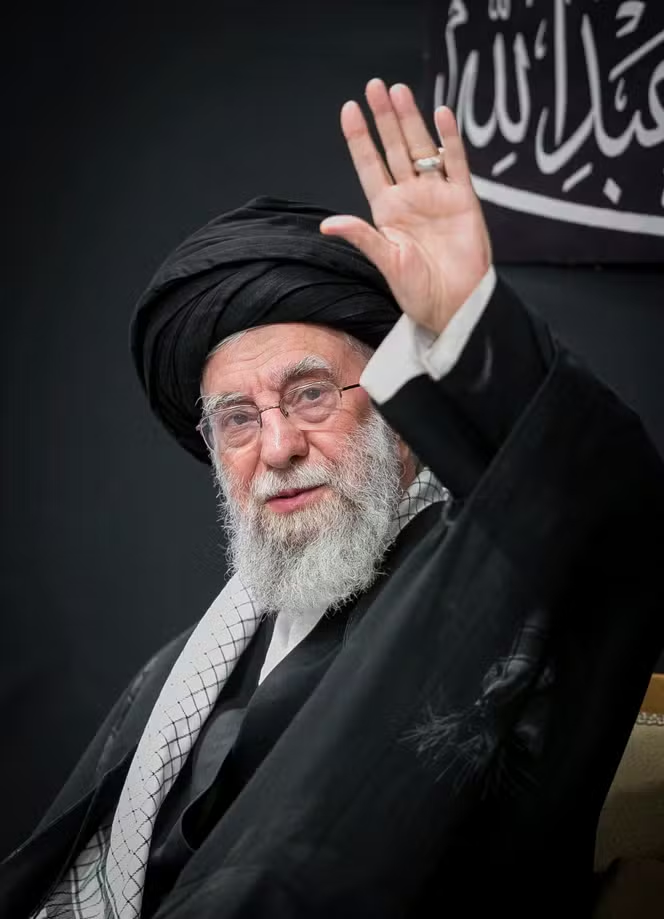
At the apex of the system stands Ali Khamenei, whose advanced age has become a central vulnerability of the state itself. Nearing 90, Khamenei embodies a political order sustained for decades by clerical authority and repression. Even if mass protests or elite defections fail to remove him, time almost certainly will. His mortality is no longer a private matter but a structural threat to regime continuity, one that no ideology, security apparatus, or censorship can reverse.
The death of Khamenei, however, would not automatically open the door to democracy. Over the past four decades, the Islamic Revolutionary Guard Corps has steadily positioned itself as the true heir to state power. Designated by the United States as a Foreign Terrorist Organization, the IRGC has evolved into a self-sustaining system that combines military force, economic control, and regional influence. Its loyalty to Khamenei has been rooted less in reverence than in mutual dependence. Once he is gone, that balance will collapse.
The Guards are no longer simply a parallel military force. They dominate major sectors of Iran’s economy through construction, energy, and logistics networks, oversee missile and drone programs, and manage regional proxy warfare across Iraq, Syria, and Yemen. During periods of crisis, including recent conflicts with Israel, authority has increasingly shifted from clerical institutions to security commanders. In a post-Khamenei landscape, the absence of a cleric with comparable stature to Ruhollah Khomeini or Khamenei would leave the IRGC as the most organized and coercive power in the country. The likely outcome would be a military dictatorship wrapped in revolutionary symbolism rather than a continuation of theological rule.
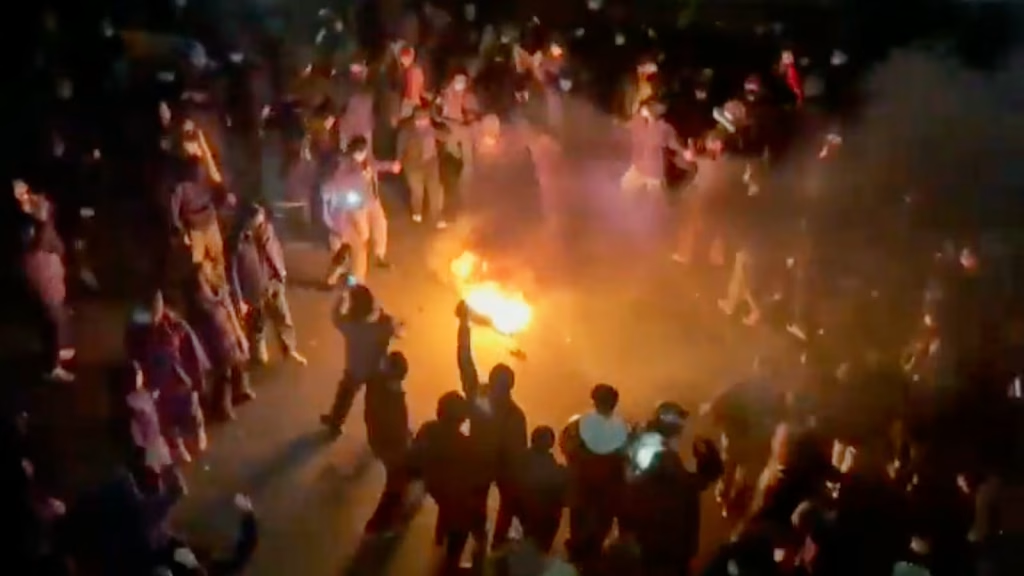
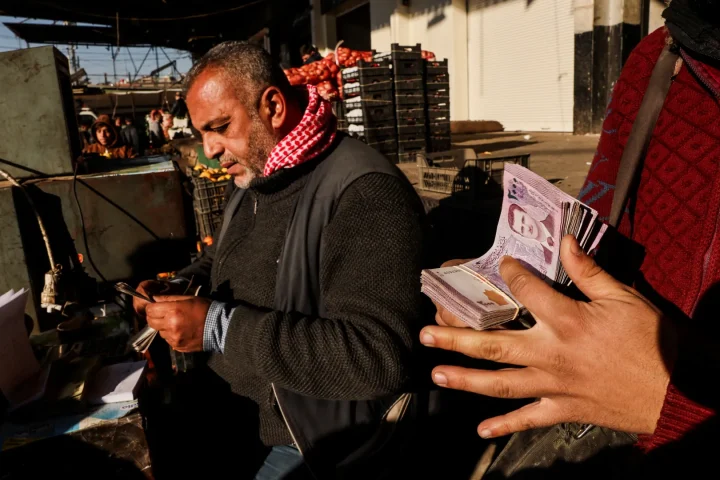
Pressure is also rising from below. Iran’s social contract has eroded beyond repair, particularly among younger generations who no longer see the Islamic Republic as synonymous with Iran itself. Economic hardship, currency collapse, and chronic mismanagement have accelerated alienation, but the deeper rupture is political and cultural. Symbols once enforced through fear now provoke open defiance. Images of former regime icons are torn down, and public reverence has given way to rejection.
Contrary to long-standing assumptions, external military pressure has not unified society behind the state. Instead, it has exposed institutional weakness and widened the gap between rulers and ruled. History shows that authoritarian systems can survive extreme hardship, as seen in North Korea or Stalin-era Russia. Collapse is never guaranteed by suffering alone. What matters is whether coercive power remains unified when legitimacy disappears.
Two critical uncertainties remain. One is the stance of Iran’s conventional military, the Artesh. Should it remain neutral or side with public unrest rather than the Guards, the balance of power could shift rapidly. The other is Iran’s internal diversity. The country is not a monolithic Persian entity, and ethnic minorities such as the Baloch and Azerbaijani Turks may pursue their own political futures if central authority weakens, potentially fracturing the state rather than reforming it.
Iran now stands at a threshold where biology, militarization, and demography intersect. Regime change may ignite in the streets, but the future will be decided by who controls force when time runs out. Whether the Islamic Republic transforms, hardens into a military state, or fragments under pressure will shape not only Iran’s destiny but the balance of power across the Middle East.