Iran’s nationwide protests have turned deadly, with rights groups reporting more than 2,500 killed as political tensions rise and US-Iran talks collapse.
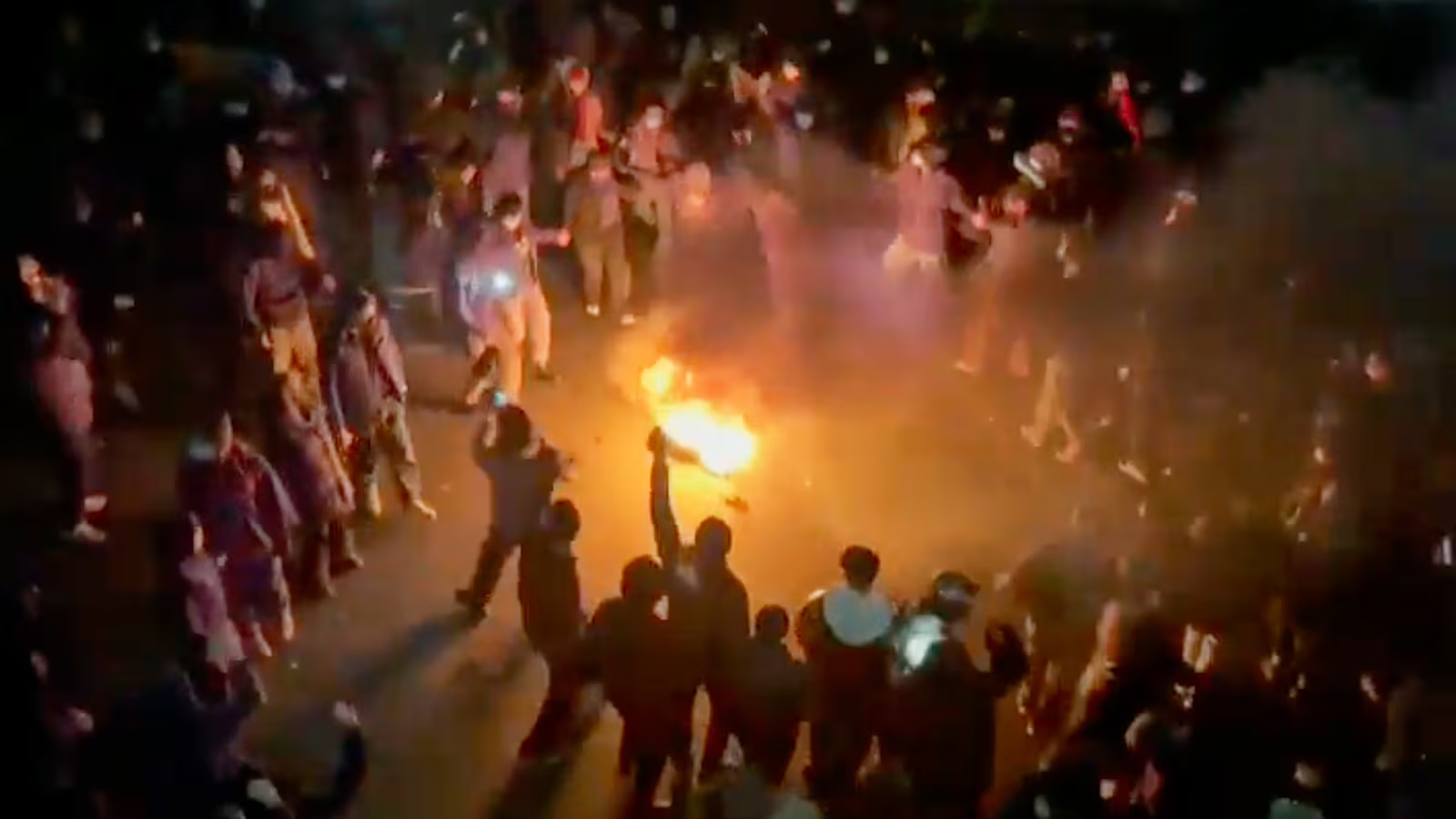
Iran’s protest death toll has surged past 2,500, marking one of the deadliest episodes of civil unrest in the country in decades. According to the US-based Human Rights Activists News Agency, at least 2,571 people had been killed nationwide by early Wednesday, as demonstrations that began over economic hardship evolved into a direct challenge to Iran’s ruling system.
The scale of the violence has drawn comparisons to the turmoil surrounding Iran’s 1979 Islamic Revolution. The activist group said that 2,403 of those killed were protesters, while 147 were individuals affiliated with government forces. The dead also included at least 12 children and nine civilians who were not actively participating in protests. More than 18,100 people have reportedly been detained as security forces intensified their response.
Independent verification of the figures has proven difficult due to restrictions on media access and communications inside Iran. However, Iranian state television has issued its first indirect acknowledgment of the bloodshed, quoting an official who referred to “a lot of martyrs,” without providing specific numbers.
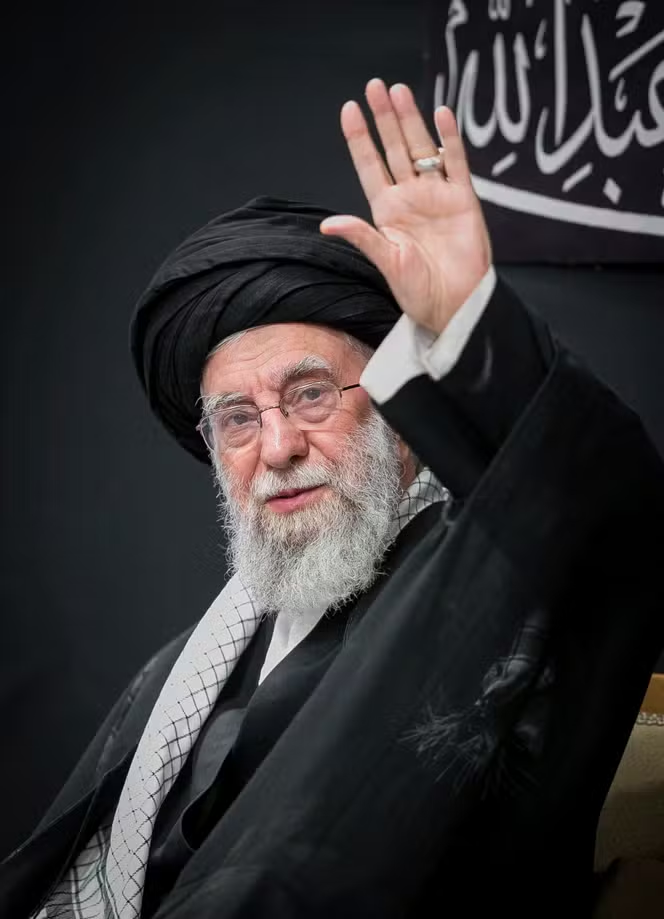
The protests began in late December, initially driven by public anger over Iran’s deteriorating economy. They soon expanded into broader demonstrations against the country’s political leadership, including chants and graffiti targeting Ali Khamenei, Iran’s 86-year-old supreme leader. Such expressions are considered highly sensitive and can carry severe legal penalties under Iranian law.
International reactions have added to the tension. US President Donald Trump said he had cancelled all planned talks with Iranian officials in response to the reported killings. Writing on his Truth Social platform, Trump urged protesters to continue demonstrating and said discussions would remain suspended until the violence stopped. Hours later, he told reporters that his administration was waiting for confirmation of the death toll before taking further action.
Iranian officials rejected the US stance and warned against external interference. Ali Larijani, secretary of Iran’s Supreme National Security Council, accused Trump and Israeli Prime Minister Benjamin Netanyahu of responsibility for the bloodshed in a public statement, reflecting Tehran’s increasingly confrontational tone.
Human rights monitors caution that the reported figures may still understate the true scale of the crisis. Skylar Thompson of the Human Rights Activists News Agency said the toll had already reached four times the deaths recorded during the 2022 Mahsa Amini protests in a fraction of the time, adding that further increases were likely as more information emerged.
As protests continue and international pressure builds, Iran faces one of its most severe internal crises in decades, with the human cost rising rapidly and diplomatic fallout spreading beyond its borders.