The hotel group says it will keep running its existing Maldives resorts but has no plans to put fresh money into the country as costs and foreign exchange rules weigh on confidence.
Pulse Hotels & Resorts has ruled out further Maldives investment, saying rising costs and changes to the country’s foreign exchange rules have made new projects harder to justify.
Managing director Mohamed Khaleel said the decision was taken at board level and applies to future investment rather than the group’s existing resorts. Pulse will continue operating in the Maldives, but when it comes to putting fresh capital into new projects, the company is now looking elsewhere.
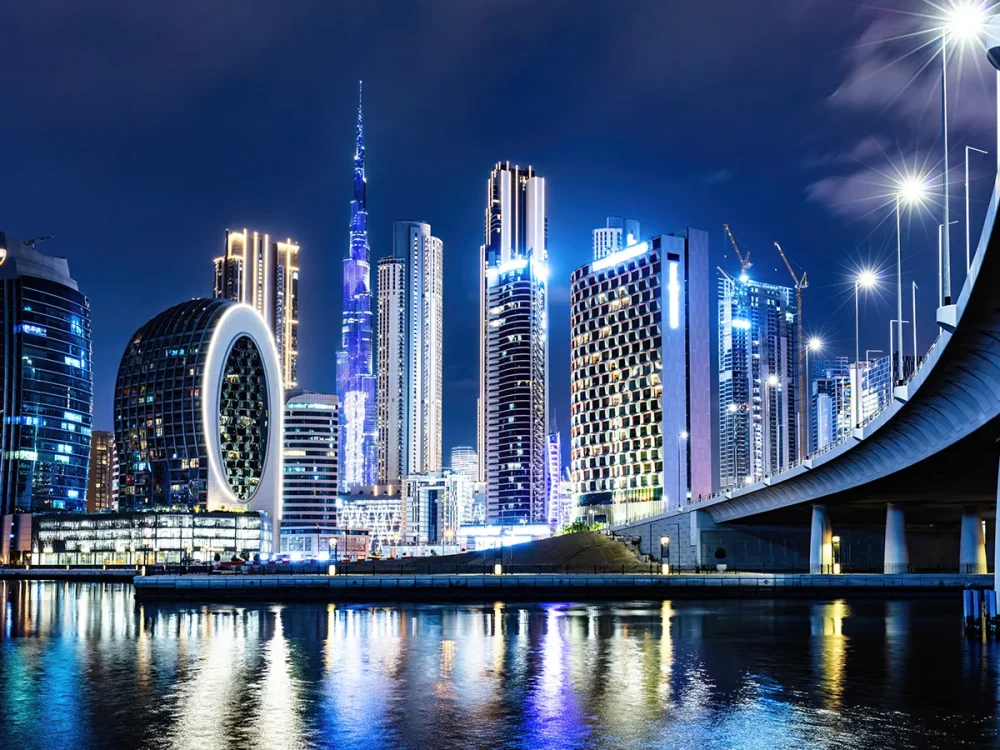
Khaleel pointed to markets such as Oman, Dubai, Portugal and Italy as possible destinations for future expansion.
The comments are significant because Pulse is not a newcomer testing the Maldives market. It is already an established resort operator in the country, which makes its decision a wider warning about how some investors are starting to view the cost of doing business there.
Pulse puts new Maldives investment on hold
Khaleel said Pulse remains confident in the Maldives as a tourism destination. The problem, he suggested, is not whether tourists still want to visit.
It is whether investors can clearly work out what a project will cost and what kind of return they can realistically expect.
Resorts are expensive businesses to build and run, particularly in an island nation where much of what hotels use has to be imported. Investors can spend millions of dollars before a property welcomes its first guest, so sudden changes in taxes, currency rules or operating costs can have a big effect on long-term plans.
For Pulse, that uncertainty has now reached the point where the company would rather direct new investment to other countries.
Foreign exchange rules are at the centre of the concern
Much of Khaleel’s criticism is focused on recent changes to the Maldives’ Foreign Currency Act.
Under rules that took effect in September 2026, Category A tourism businesses are required to convert 40% of their monthly gross sales through the local banking system.
The government says the policy is designed to bring more foreign currency into official channels and improve access to US dollars inside the country.
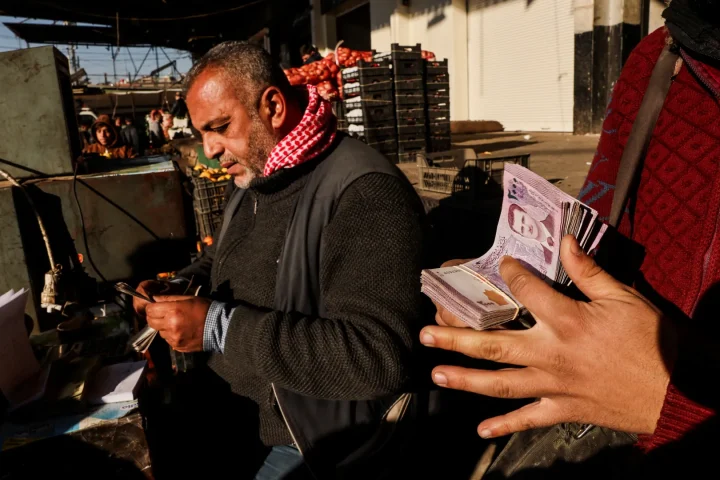
For resort operators, however, the concern is that much of their income is already earned in dollars and many of their biggest bills also have to be paid in dollars.
That creates a practical problem.
A resort may receive most of its revenue in foreign currency, convert a large portion of it into Maldivian rufiyaa as required, and then still need dollars to pay suppliers, loans, imported goods and other expenses.
Khaleel argues that this could create extra costs at a time when many resorts are already under pressure.
Why the 40% requirement worries resort operators
Running a resort in the Maldives involves a long list of expenses that are difficult to avoid.
Food and beverages are often imported. Fuel has to be transported. Building materials, furniture, spare parts and equipment frequently come from overseas.
Many resorts also have foreign loans, international suppliers and other commitments that need to be settled in hard currency.
That is why Khaleel believes the 40% conversion requirement could be particularly difficult for resorts that do not charge the very high room rates associated with the top end of the luxury market.
A property earning thousands of dollars per room per night may have more room to absorb additional costs than a resort competing in the mid-market segment.
Khaleel has said he believes a large share of the country’s resorts could struggle with the new requirement, although that remains his assessment rather than an independently verified industry figure.
Rising costs are adding to the pressure
The foreign exchange rules are only part of the story.
Resort operators have also been dealing with higher operating costs, financing expenses, taxes and other charges.
For a business built on an isolated island, even relatively small increases can quickly add up.
Everything from food deliveries to maintenance work can involve more complicated logistics than at a hotel in a major city.
That makes margins especially important.
Tourist arrivals may be rising, but more visitors do not automatically mean higher profits for every hotel. Resorts still have to fill their rooms at rates that cover their costs, service their debt and leave enough money to justify the original investment.
Khaleel has previously raised concerns that returns on resort investment have become less attractive even as the Maldives continues to bring in large numbers of international visitors.
Pulse is not leaving the Maldives
One point is important: Pulse is not shutting down its Maldives business.
The group will continue operating its existing properties, which include Kandima Maldives, The Nautilus Maldives, Nova Maldives and Eri Maldives.
The decision is about what comes next.
Instead of building or backing more projects in the Maldives, Pulse says future expansion money is likely to go to other markets.
That distinction matters because the company clearly still sees value in its current resorts.
What has changed is its willingness to take on the risk of another major investment under the present conditions.
Investor confidence is becoming part of the debate
Khaleel’s comments raise a bigger question for the Maldives: how does the country keep attracting investors while also introducing policies aimed at strengthening its own economy?
The government wants more tourism dollars to move through the official banking system. That could make foreign currency easier to obtain locally and reduce pressure on the wider economy.
Resort investors, on the other hand, want rules that allow them to plan years ahead.
Both sides are dealing with genuine concerns.
The challenge is finding a balance that improves the country’s access to foreign currency without making new tourism projects less attractive.
For investors comparing destinations, predictability matters almost as much as tax rates or visitor numbers.
If one country becomes more expensive or complicated, developers can look elsewhere.
Khaleel specifically mentioned places such as Mauritius, Seychelles, Zanzibar and Sri Lanka when discussing the competition the Maldives faces for tourism investment.
Maldives still has a powerful tourism advantage
None of this means the Maldives has suddenly become unattractive to travellers.
Its tourism brand remains one of the strongest in the world.
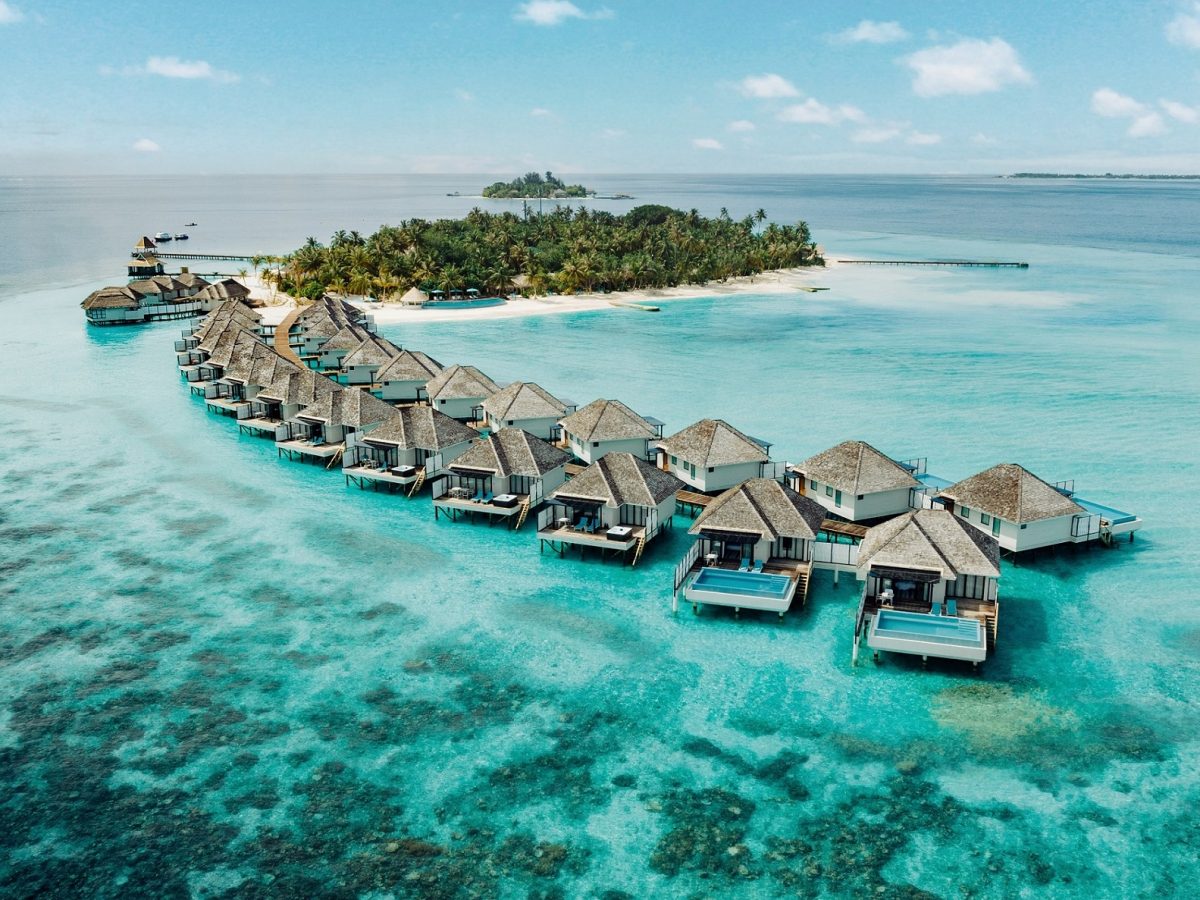
Private islands, overwater villas, clear lagoons and high-end hospitality have helped the country build a tourism model that is difficult to reproduce elsewhere.
That gives the Maldives an advantage.
But a destination can remain extremely popular with tourists while becoming less attractive to investors.
The two are related, but they are not the same thing.
Guests mainly care about the experience, the price and the quality of the resort. Investors have to think about construction costs, taxes, financing, currency rules, staffing and how many years it will take to recover their money.
That is the tension now sitting behind Pulse’s decision.
The government is standing by the new rules
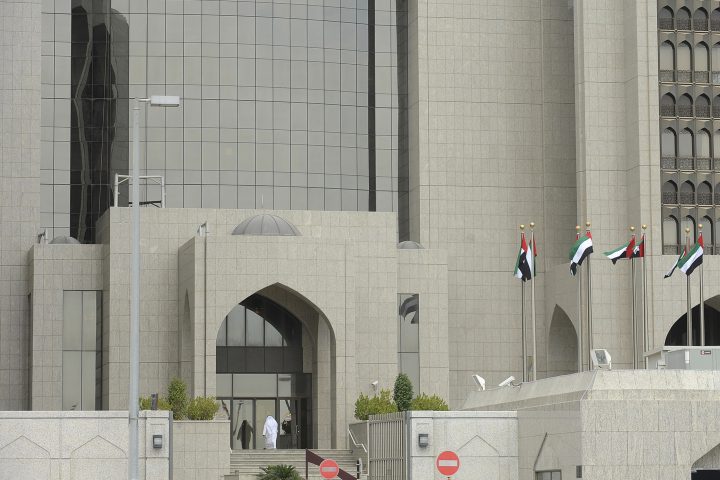
Maldivian authorities have defended the foreign exchange changes, arguing that they are necessary to improve the availability of dollars through banks.
Officials have also said the tourism industry was consulted before the new rules were introduced.
The government’s position is that tourism generates most of the country’s foreign currency, so more of those dollars need to enter the formal financial system.
Some resort operators remain unconvinced.
Industry representatives have raised concerns about how the rules will affect businesses that already have substantial expenses in foreign currency.
That debate is unlikely to disappear quickly because both the government and resort operators have a lot at stake.
Khaleel’s resignation added to the dispute
The disagreement has also become personal for Khaleel.
He resigned from his role as tourism adviser to President Mohamed Muizzu in August, on the same day Parliament approved changes to the foreign exchange law.
Khaleel later said he had recommended a lower conversion requirement.
He believed a 20% rate would have been easier for the industry to manage, although he acknowledged that even that level could be difficult for some resorts.
The government chose the higher requirement and has so far shown no indication that it plans to reverse course.
What Pulse’s decision could mean for the Maldives
One company deciding not to invest again does not mean investment in the Maldives is about to stop.
New resorts are still being developed, established brands remain active and the country continues to attract global hotel operators.
But Pulse’s decision matters because it shows how an investor already familiar with the market is responding to the latest changes.
If other operators begin making similar decisions, the government may eventually have to consider whether the benefits of the new foreign exchange rules outweigh any effect on future tourism development.
For now, that is still an open question.
The Maldives continues to attract visitors, and its resort industry remains one of the most valuable parts of the economy.
What investors are asking for is confidence that the numbers will still make sense several years after they commit their money.
Pulse looks beyond the Maldives for its next move
Pulse Hotels & Resorts is staying in the Maldives, but its appetite for new projects there appears to have disappeared.
Existing resorts will continue welcoming guests. The brand will remain part of the country’s tourism industry.
Future money, however, is likely to go somewhere else.
That makes the company’s decision less of an exit and more of a warning.
The Maldives remains an exceptional tourism destination, but for investors, beauty alone does not settle the numbers. Costs, currency rules and confidence in the business environment matter too.
For Pulse, those factors have now tipped the balance against further Maldives investment.