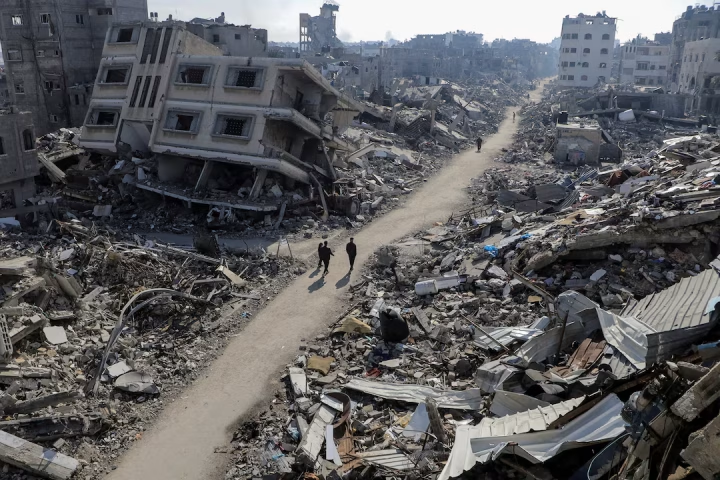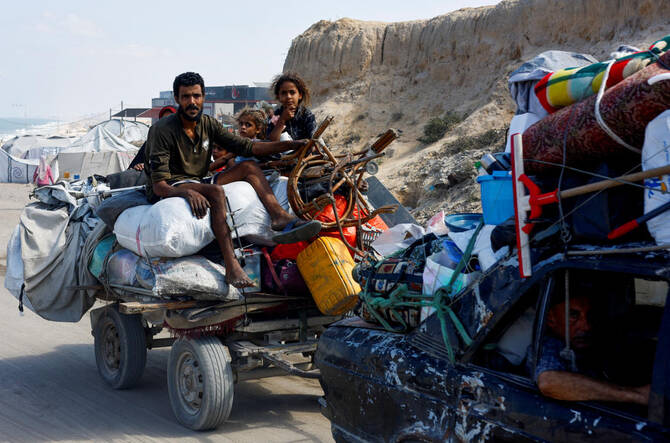
The latest Israel warning for Gaza City has raised fears as Defense Minister Israel Katz urged civilians to move south while Hamas considered a U.S.-backed peace plan. Witnesses described heavy bombardment across the city. Moreover, Katz announced that the military had taken control of the Netzarim corridor, cutting the north from the south. He warned that anyone who stayed would be treated as a Hamas supporter. In addition, people fleeing had to pass through Israeli checkpoints.
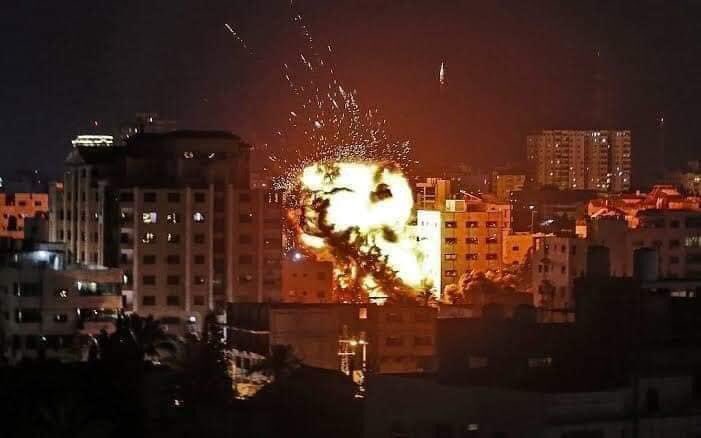
On the ground, civilians explained that no safe place remained. For example, Rabah Al-Halabi, 60, who lives in a tent at Al-Shifa Hospital, called displacement “terrifying and humiliating.” He added that southern Gaza offered no safety compared to the north. Meanwhile, explosions shook Gaza City as tanks advanced into neighborhoods, and residents feared a deeper ground assault.
The humanitarian situation worsened rapidly. As a result, the International Committee of the Red Cross suspended operations in Gaza City and warned of “harrowing conditions.” Doctors Without Borders (MSF) had already stopped its work earlier in the week. However, UN agencies and some aid groups continued limited activities. Consequently, access to medical care, food, and water became more restricted every day.
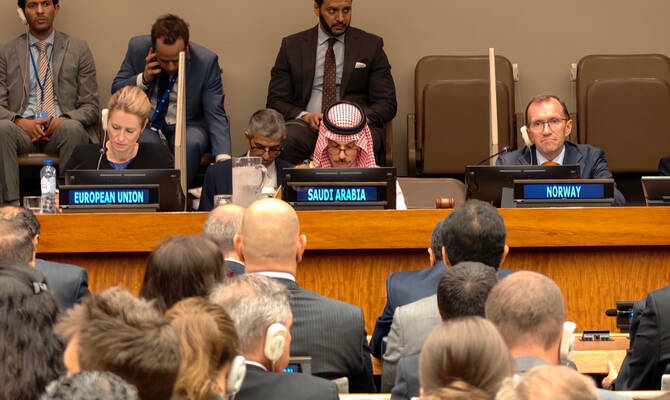
At the political level, Hamas leaders debated Donald Trump’s peace plan, which Israeli Prime Minister Benjamin Netanyahu supported. The plan demanded an immediate ceasefire, the release of hostages within 72 hours, Hamas’s disarmament, and a gradual Israeli withdrawal. So far, no final decision has been made. On one hand, some leaders pushed for approval to secure a ceasefire quickly. On the other hand, others rejected clauses on disarmament and expulsion. Instead, they demanded international guarantees that Israel would honor any ceasefire and withdraw completely from Gaza.
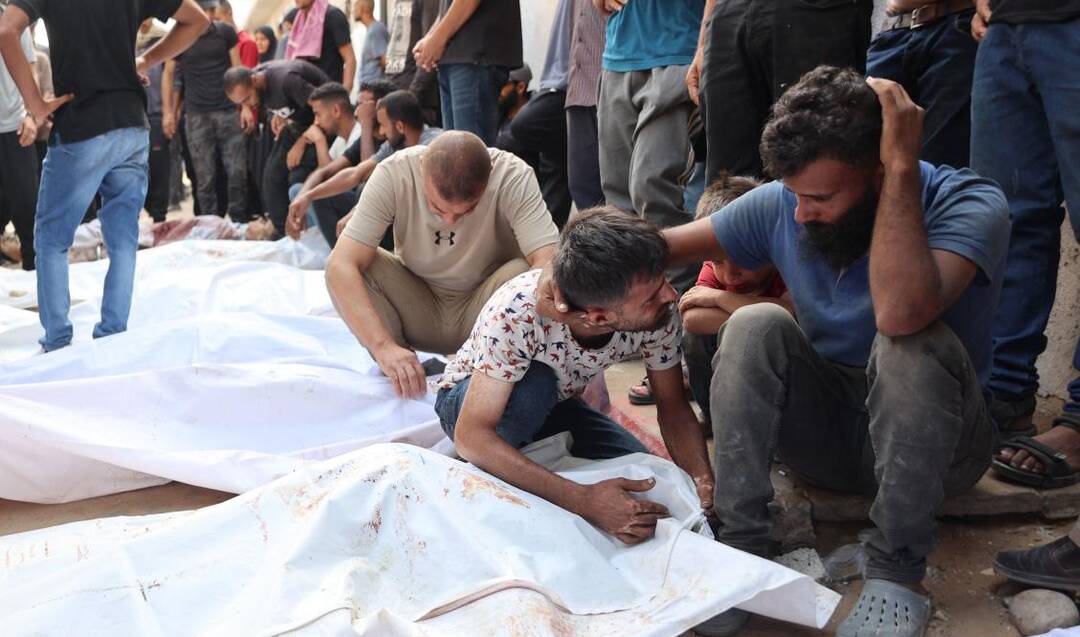
Meanwhile, casualties continued to mount. Gaza’s civil defense agency reported that strikes killed 13 people in Gaza City on Wednesday. The Israeli military said it was reviewing the reports. Nevertheless, media restrictions made it difficult to confirm numbers independently. According to UN-verified data from Gaza’s health ministry, more than 66,000 Palestinians have died since Israel’s campaign began. Importantly, women and children account for over half of these deaths. Israel launched its offensive after Hamas killed more than 1,200 people in its October 7 attack.
Frustration and despair continued to grow among civilians. “We want a ceasefire at any cost,” said Fadel Al-Jadba, a young resident of Gaza City. He described exhaustion as tanks moved closer to his neighborhood. Meanwhile, negotiations in Doha pressed on, with mediators urging Hamas to respond within days. Trump warned that Hamas had only a short time to accept the plan and threatened that rejection would bring severe consequences.
Ultimately, the Israel warning for Gaza City shows how critical the situation has become. Bombardment continues, aid remains blocked, and civilians face impossible choices. Therefore, Hamas’s decision in the coming days—whether to accept or reject Trump’s plan—will determine the future of Gaza and the broader conflict. For now, however, survival remains the only focus for those trapped inside Gaza City.
READ: Red Cross Halts Operations in Gaza City Amid Escalating Conflict