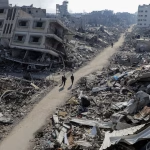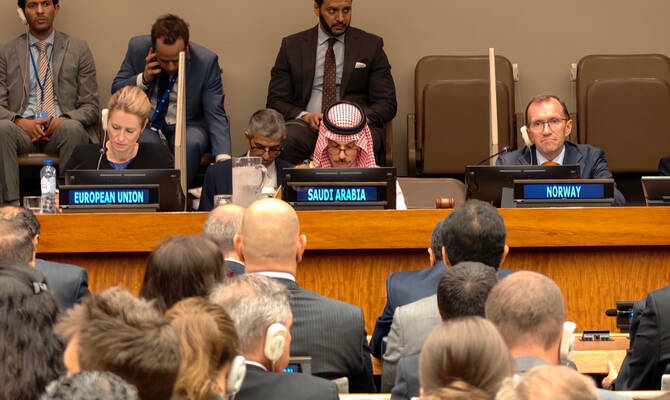
The Saudi two state solution has gained momentum after a major meeting at the United Nations in New York. The Global Alliance for the Implementation of the Two-State Solution, founded by Saudi Arabia last year, attracted representatives from nearly 100 countries. As a result, strong backing emerged for peace, a Gaza ceasefire, and the creation of a Palestinian state.
Saudi Foreign Minister Prince Faisal bin Farhan led the event with EU foreign policy chief Kaja Kallas and Norwegian Foreign Minister Espen Barth Eide. Delegates endorsed the recently adopted New York Declaration, which outlined clear steps for progress. They urged a ceasefire, the disarmament of Hamas, and the release of hostages as immediate requirements. Consequently, the declaration has become a shared roadmap for peace.
Prince Faisal stressed the importance of empowering the Palestinian Authority as the sole governing body in Gaza once the conflict ends. Moreover, he underlined Saudi Arabia’s pledge to restore Palestinian borders along 1967 lines. He also emphasized the need for international monitoring and time-bound measures to ensure results. Therefore, he argued, peace and prosperity can only come when Palestinians and Israelis enjoy equal security.
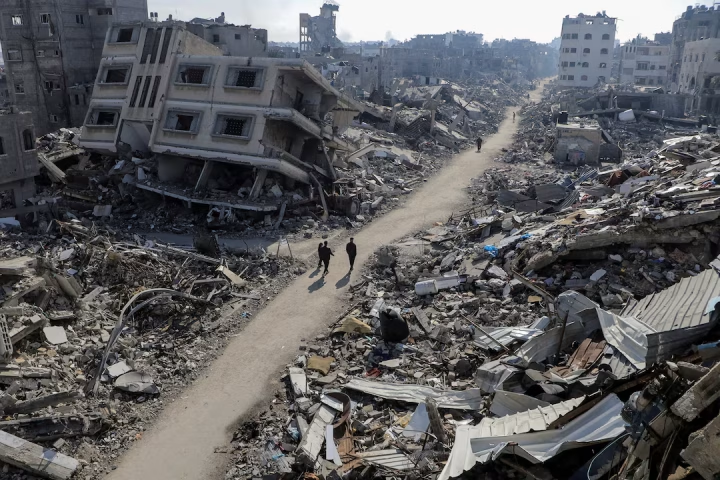
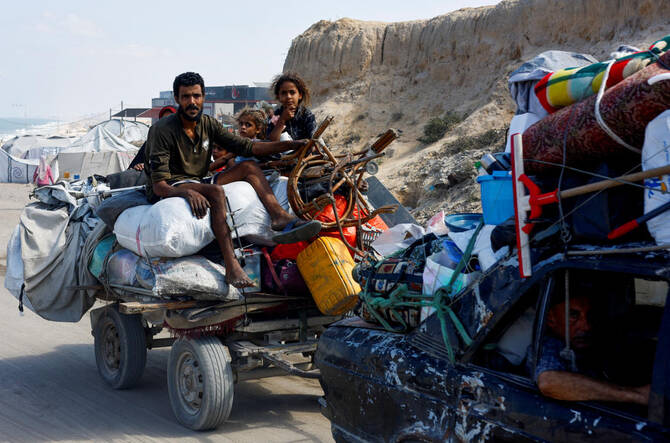
Kaja Kallas warned of a worsening humanitarian crisis in Gaza and the West Bank. She explained that the war has caused unprecedented suffering and insisted the alliance must act without delay. Furthermore, she rejected the notion of a military solution, pointing out that only diplomacy can end the war. The EU, she added, remains the largest humanitarian donor to Palestinians and has pledged $1.9 billion over three years. In addition, the bloc created a Palestine donor group to expand support and strengthen reforms.
Palestinian Prime Minister Mohammad Mustafa delivered a video address thanking Saudi Arabia for its leadership. He described the New York Declaration as a pathway to an independent Palestinian state living peacefully alongside Israel. Moreover, he called on nations to act decisively and collectively to turn words into action.
Espen Barth Eide highlighted how daily life for Palestinians has moved from difficult to unbearable. He explained that Norway recognized Palestine last year because traditional peace talks had reached a dead end. In addition, he praised other countries such as France, the UK, Canada, and Australia for following Norway’s lead. He also emphasized that the alliance must deliver security guarantees, demobilization, and economic stability to make Palestinian statehood possible. Therefore, practical steps remain central to the coalition’s work.
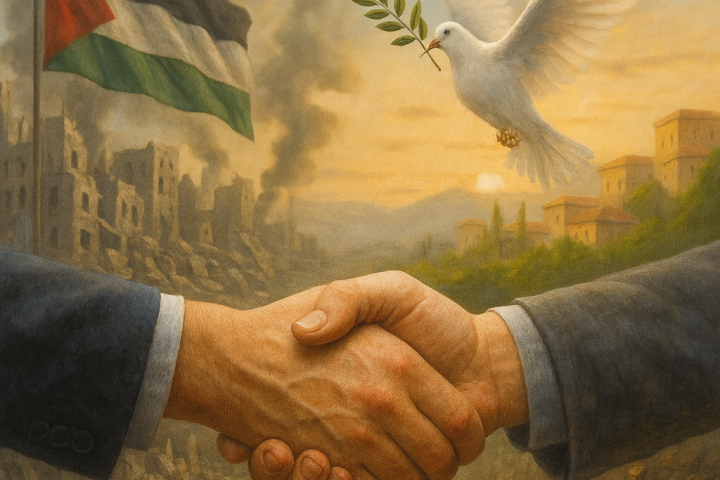
The Saudi two state solution reflects a coordinated diplomatic push to move beyond decades of failed negotiations. For many, it still represents the only realistic path to peace. Moreover, Saudi Arabia and its partners hope to transform global consensus into concrete achievements.
The alliance signals a new phase of international determination. Nearly 100 nations have now rallied behind Saudi leadership and the New York Declaration. As a result, the focus has shifted toward ending hostilities, strengthening Palestinian governance, and securing long-term stability for both sides. Ultimately, by turning commitments into measurable results, the coalition aims to achieve peace that is no longer theoretical but real.
READ: World Leaders Signal Shift: Palestine Recognition Rises at UN Assembly