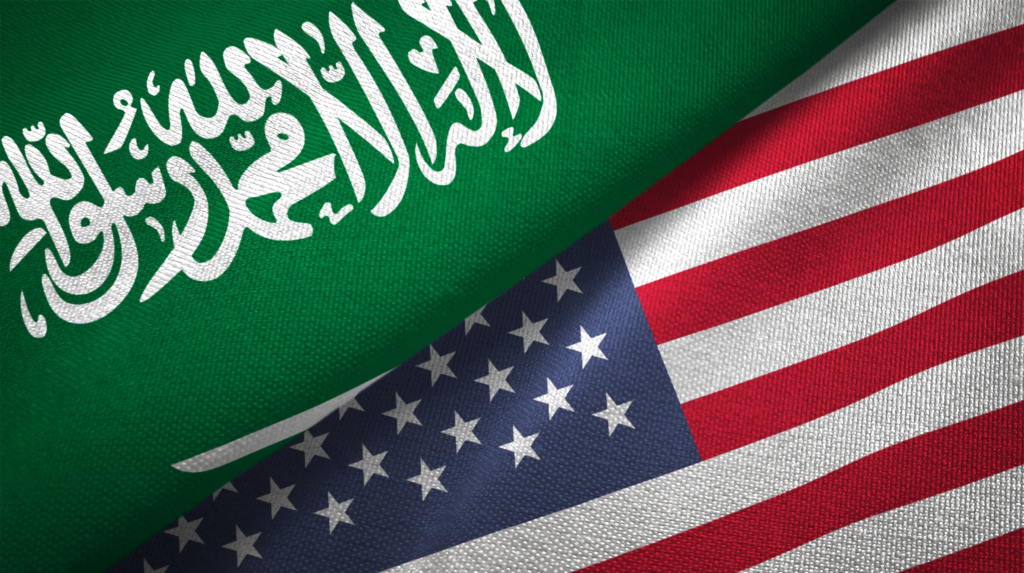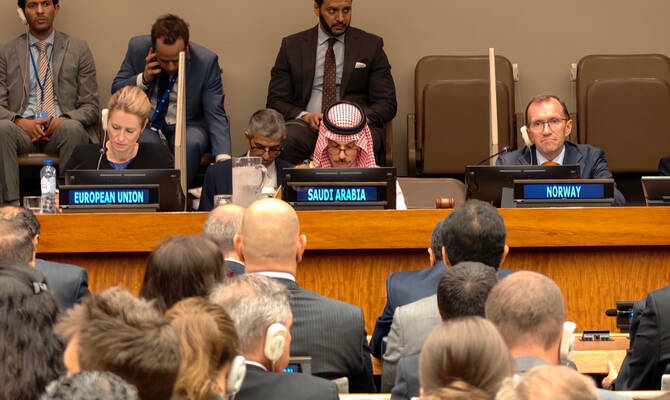
In a pivotal moment for Middle East diplomacy, US President Joe Biden’s national security adviser, Jake Sullivan, met with Saudi Arabia’s Crown Prince Mohammed bin Salman on Sunday to discuss the finalization of a comprehensive security agreement. This agreement is a crucial part of Washington’s strategy to secure Saudi Arabia’s formal recognition of Israel, a historic move that has been complicated by the ongoing Gaza conflict.
The talks are expected to pave the way for an unprecedented shift in Saudi-Israeli relations while addressing sensitive regional issues, including the future of Palestinian statehood and the volatile situation in Gaza. The meeting, held in Dhahran — home to Saudi Aramco — comes at a time when global attention is focused on Middle East security and nuclear proliferation concerns.
Key Details of the US-Saudi Security Agreement
The US-Saudi security pact being discussed is a strategic agreement that goes beyond traditional military cooperation. Here are the critical aspects of the proposed deal:
- Israel Normalization: A central element of the deal is Saudi Arabia’s potential formal recognition of Israel. The US has pushed for this recognition, leveraging its influence to align Saudi interests with those of Israel. This move would significantly alter the geopolitical landscape of the region.
- Palestinian Solution: As part of the agreement, the US insists that Saudi Arabia’s recognition of Israel should come with support for a two-state solution for the Palestinians. The pact envisions a Palestinian state that meets the aspirations of Palestinians, a long-standing demand from Saudi Arabia.
- Security Enhancements: The deal would bolster US-Saudi security relations, including advanced weaponry, potentially improving Saudi defense capabilities against regional threats, particularly Iran. This is seen as crucial in the context of Iran’s nuclear ambitions and the ongoing regional instability.
- Nuclear Cooperation: Saudi Arabia is seeking nuclear cooperation with the US, specifically uranium enrichment on its soil. While the US is cautious due to the potential for nuclear weapons development, Saudi Arabia’s insistence on such cooperation has added complexity to the negotiations.
The Role of the Gaza Conflict in US-Saudi Relations
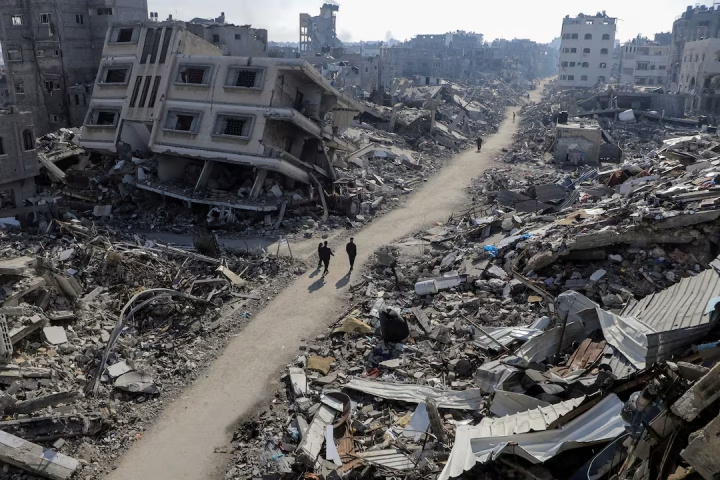
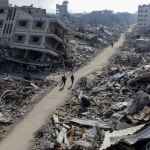
The Gaza conflict has dramatically escalated tensions in the region and added urgency to the US-Saudi talks. The October 7 Hamas attack on Israel, which killed 1,200 people and took 252 hostages, led to Israel’s aggressive military response targeting Hamas in Gaza. This conflict has shifted US priorities, making it more difficult for Saudi Arabia to move forward with Israel normalization without addressing the Palestinian issue.
Despite these challenges, the US is pushing for a two-state solution as part of the overall peace process. Saudi Arabia, traditionally an advocate for Palestinian rights, is grappling with how to balance these demands with its desire for closer ties with Israel.
Saudi Arabia’s Strategic Interests: Security and Nuclear Ambitions
While the Israel normalization process is a significant part of the deal, Saudi Arabia’s security needs are just as crucial. The country has long depended on the US for defense, particularly in the face of Iran’s nuclear threats and regional instability.
Additionally, Saudi Arabia is seeking nuclear cooperation with the US, hoping to develop its own nuclear program in response to Iran’s growing capabilities. Prince Mohammed has stated that Saudi Arabia would pursue a nuclear arsenal if Iran does the same. This issue remains a point of contention, as critics argue that it could lead to nuclear proliferation in the region, complicating the broader security landscape.
Israel’s Reaction and Future Developments
The Israeli government, led by Prime Minister Benjamin Netanyahu, has been closely monitoring these developments. Netanyahu’s stance on the Palestinian state remains firm, as his government has repeatedly rejected the idea of a two-state solution, instead prioritizing the expansion of Israeli settlements in contested areas.
However, Israel’s willingness to engage with Saudi Arabia and move forward with normalization is seen as a strategic necessity, especially given the ongoing Gaza conflict and Iranian threats.
The Bigger Picture: A New Era in Middle East Diplomacy
As the US-Saudi security pact edges closer to finalization, the potential normalization of relations between Saudi Arabia and Israel marks a significant shift in the geopolitics of the Middle East. If successful, this pact could lead to regional stability and economic cooperation, particularly in areas like energy, technology, and defense.
However, the issue of Palestinian rights remains a major obstacle, and it’s unclear how the Gaza conflict will influence the broader peace process. President Joe Biden’s administration will likely face increasing pressure to ensure that Israel’s recognition by Saudi Arabia is coupled with meaningful steps towards Palestinian self-determination.
Conclusion: The Path Forward for the US-Saudi-Israeli Deal
The US-Saudi security pact represents a monumental shift in the geopolitical dynamics of the Middle East. With Israel normalization as a cornerstone of the deal, US diplomacy is testing the boundaries of traditional alliances and regional conflicts. As discussions continue, the Gaza conflict and Iran’s nuclear aspirations will remain central to the negotiations.
For Saudi Arabia, the security pact with the US offers an opportunity to enhance its defense capabilities and take a leading role in shaping Middle Eastern geopolitics. However, the Palestinian issue will undoubtedly remain a challenge, requiring careful diplomacy and meaningful compromise to achieve lasting peace.