Amid ongoing tensions in Gaza, Portugal’s Foreign Minister João Gomes Cravinho urged a balance between hope and pragmatism. Speaking in Lisbon on Tuesday, he highlighted the delicate nature of the negotiations and stressed the need for sustained international engagement to ensure long-term stability.
A Call for Balanced Perspective
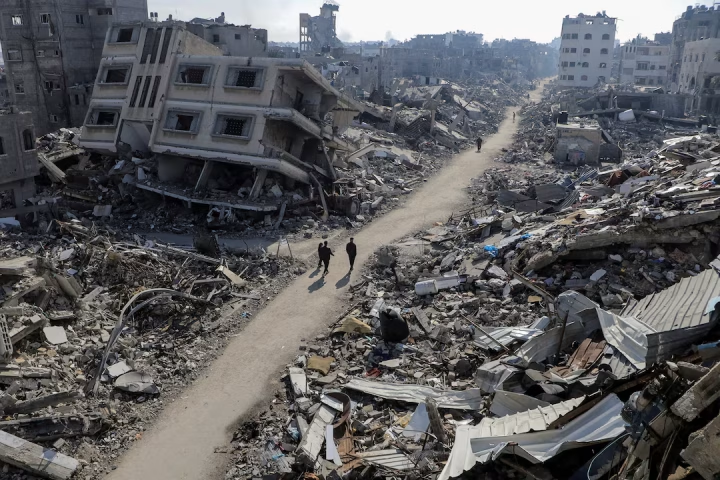
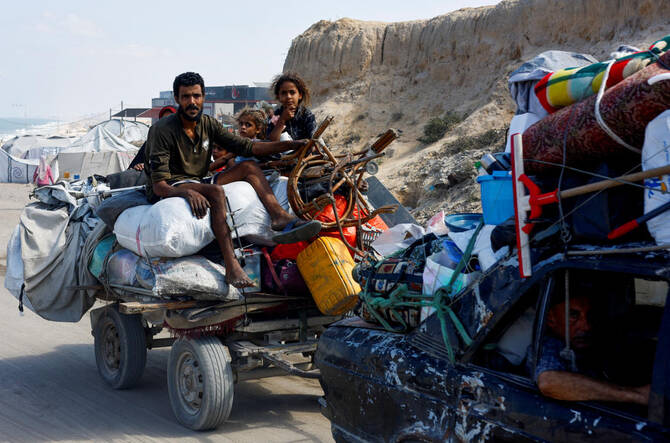
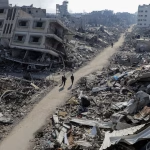
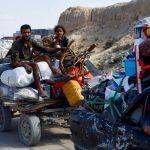
“While we should remain optimistic about the peace process in Gaza, it is equally crucial to be realistic about the challenges ahead,” Cravinho said. He warned that the humanitarian situation in the Gaza Strip remains dire. Millions face shortages of food, water, and medical supplies, and damaged infrastructure worsens the crisis.
Portugal has long supported diplomatic solutions in the Middle East. Cravinho called for an approach that combines humanitarian assistance, dialogue between parties, and international oversight. He emphasized that optimism should not ignore the historical obstacles that have stalled progress.
Historical Context and Current Dynamics
The Gaza conflict has deep roots, spanning decades of political disputes, territorial conflicts, and cycles of violence between Israel and Palestinian factions. Recently, a surge in hostilities has prompted urgent calls for international intervention. While previous ceasefires temporarily reduced violence, they did not address the underlying political and social tensions that lead to renewed clashes.
Cravinho said, “History teaches us that lasting peace requires more than immediate ceasefires. It requires addressing humanitarian needs, building trust, and establishing sustained dialogue mechanisms.”
Portugal’s Role and Multilateral Engagement
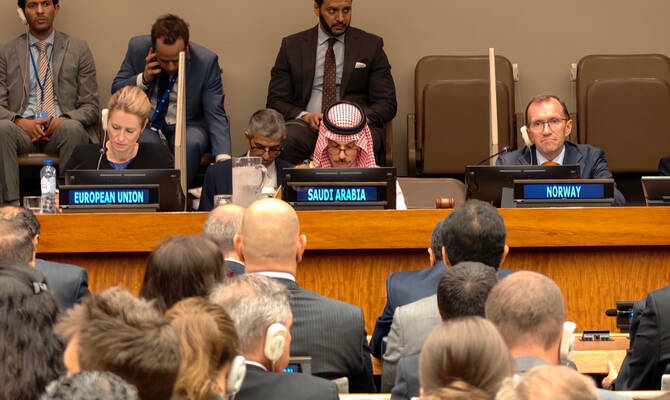
Portugal has actively supported multilateral efforts through the United Nations and the European Union. Cravinho emphasized the importance of international coordination, particularly for mobilizing humanitarian aid and reconstruction resources.
“Portugal has consistently worked within the EU and UN to advocate for a comprehensive approach,” he said. “This includes maintaining humanitarian corridors, delivering reconstruction aid to the most vulnerable, and ensuring all parties protect civilians.”
Portuguese diplomats also engage directly with stakeholders in the region. They encourage Israeli and Palestinian leaders to prioritize humanitarian and diplomatic channels over military action. Cravinho stressed that sustained international pressure and mediation are vital for successful negotiations.
Urgent Humanitarian Concerns
The minister highlighted the critical humanitarian situation. Many hospitals in Gaza are overwhelmed, with limited access to electricity and essential supplies. Cravinho called for immediate measures to reduce suffering.
“Humanitarian aid must reach those who need it most,” he said. “Aid is not a substitute for political solutions, but it is essential for any lasting peace.”
Challenges to the Peace Process
Cravinho admitted that several obstacles could impede progress. A major challenge is the lack of trust between parties, which has historically derailed negotiations. Regional dynamics, such as tensions in neighboring countries and competing international interests, also complicate efforts.
“Achieving peace is not simply about ceasing hostilities,” he explained. “It requires building confidence, establishing accountability, and ensuring agreements are respected.”
Political analysts note that optimism drives momentum, but realism keeps diplomatic efforts achievable. Portugal emphasizes combining hope with practical strategies.
The European Union’s Perspective
Portugal’s position aligns with broader EU policy, which balances diplomatic engagement with humanitarian support. The EU has called for an immediate ceasefire and commitments from both Israel and Palestinian factions to resume long-term political negotiations.
Cravinho highlighted the importance of EU coordination. “Working together strengthens our influence on the ground,” he said.
Engaging Civil Society and Regional Partners
Cravinho also stressed involving civil society organizations, local leaders, and regional actors. These groups can facilitate dialogue, deliver aid, and support peace at the community level.
“Diplomacy is not limited to government officials,” he said. “We must empower local actors who understand the challenges and aspirations of those affected.”
Optimism and Realism: A Delicate Balance
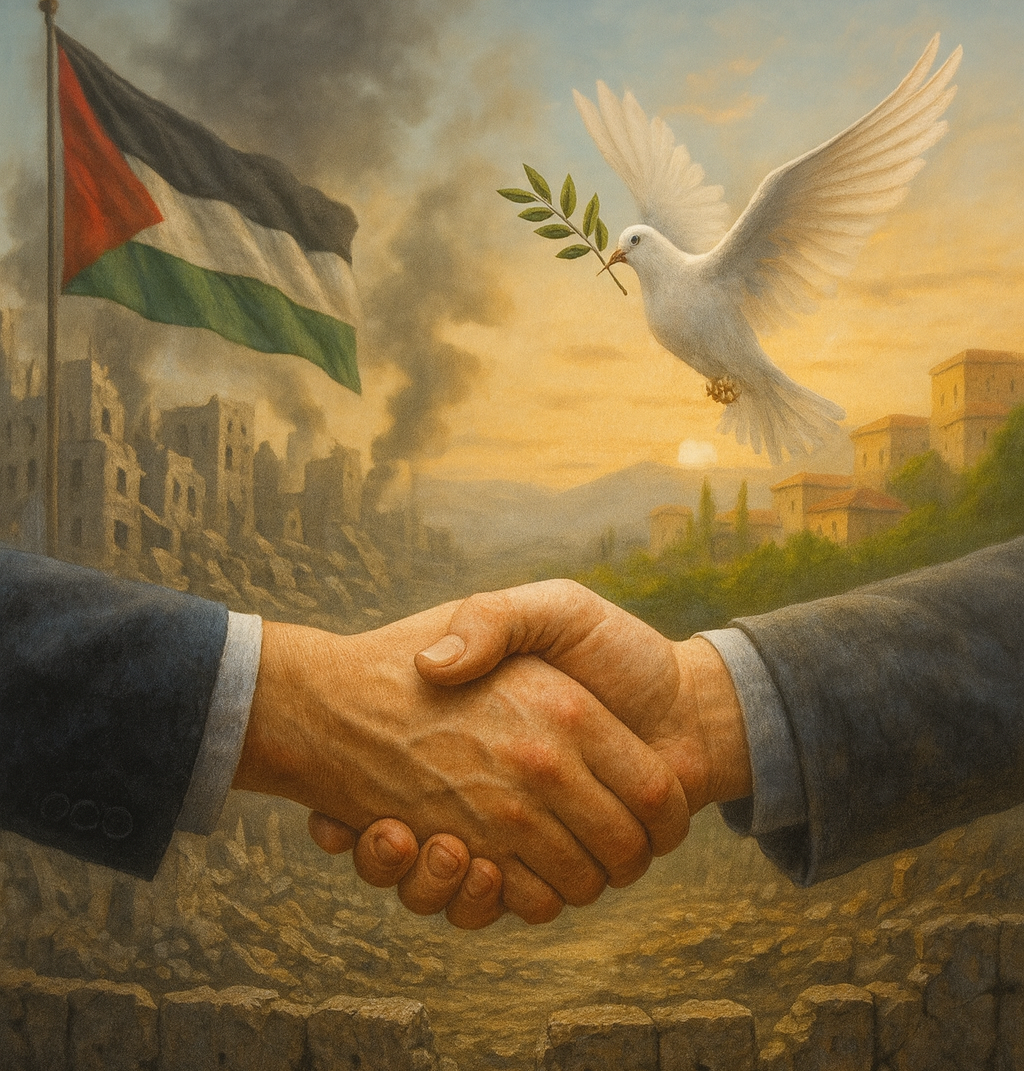
Cravinho’s message underscores a central theme: balancing hope with pragmatism. Maintaining a positive outlook encourages cooperation, but leaders must confront structural and political realities that threaten stability.
“Optimism motivates action, but realism guides strategy,” he said. “Ignoring challenges risks repeating past mistakes and prolonging suffering.”
Looking Ahead
Portugal continues to advocate for a multi-faceted approach, combining humanitarian aid, diplomatic engagement, and regional cooperation. Cravinho stressed that while immediate ceasefire negotiations are vital, long-term stability in Gaza will require sustained attention, investment in reconstruction, and addressing core political grievances.
He concluded, “The road to peace is neither short nor simple. But with persistent effort, coordination, and a balance of optimism and realism, there is hope for a future where civilians live in safety, dignity, and security.”
Conclusion
As violence persists and humanitarian needs grow, Portugal’s foreign minister urges combining hope with practical action. Optimism fuels international engagement, while realism ensures efforts focus on achievable goals.
Through multilateral cooperation, involvement of civil society, and adherence to humanitarian principles, Portugal seeks to contribute to a peace process that ends hostilities and builds long-term stability in Gaza.
Cravinho’s message reflects a nuanced approach to diplomacy in one of the world’s most enduring conflicts: maintain hope, anticipate obstacles, and act with both courage and prudence.