Saudi Arabia’s Nomu parallel market is showing early signs of recovery after months of subdued activity, offering renewed optimism for investors, issuers, and market participants. Recent listings and a strengthening IPO pipeline suggest that confidence is gradually returning despite continued geopolitical uncertainty in the Middle East.
The resurgence comes as companies once again test investor appetite following a difficult period marked by delayed and cancelled offerings. Analysts believe the market’s improving outlook reflects the growing maturity of Saudi Arabia’s capital markets and the resilience of domestic investment activity under the Kingdom’s Vision 2030 transformation agenda.
What Is the Saudi Nomu Market?
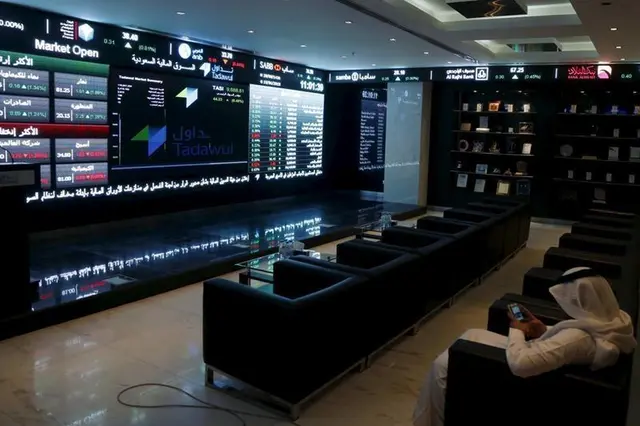
The Saudi Nomu Market is the parallel equity market operated by the Saudi Exchange.
Launched to support small and medium-sized enterprises (SMEs), Nomu provides a more flexible listing environment than the Kingdom’s main market.
The platform aims to:
- Help growing companies access capital
- Increase market participation
- Encourage entrepreneurship
- Support economic diversification
- Expand investment opportunities
Compared with the main market, Nomu generally has less stringent listing requirements, making it particularly attractive to emerging companies seeking public funding.
Signs of Recovery Are Emerging
The latest indication of improving market sentiment comes from the planned listing of Masqa Investment (MSGA), which is moving forward with its initial public offering despite recent geopolitical concerns.
The company plans to open subscriptions on June 17, 2026, with the offering closing on June 24 and share allocation expected on June 28.
MSGA intends to issue 11.11 million new shares, representing 10% of its post-listing capital.
Market observers view the decision to proceed with the IPO as an important confidence signal after a period when numerous issuers postponed or cancelled fundraising plans.
Why IPO Activity Slowed Down
Nomu experienced a difficult period following heightened regional tensions involving the United States, Iran, and Israel.
While Saudi Arabia’s economy remained relatively stable, uncertainty affected investor sentiment across regional financial markets.
Several planned offerings were either postponed or withdrawn, including:
- Alkhaldi Logistics
- Dome International Investment
- Rawabi Marketing
- Alwazn Almithaly
These cancellations highlighted the challenges facing issuers during periods of elevated geopolitical risk.
How Geopolitical Tensions Affect IPO Markets
Public offerings are highly sensitive to investor confidence.
When geopolitical risks rise, investors often become more cautious because uncertainty can affect:
- Economic growth expectations
- Energy prices
- Market volatility
- Foreign investment flows
- Corporate valuations
Companies considering public listings may therefore choose to delay offerings until conditions improve.
The recent return of listing activity suggests market participants believe the broader investment environment remains supportive despite regional developments.
MSGA’s IPO as a Confidence Signal
Analysts view Masqa Investment’s IPO as more than just another listing.
The offering demonstrates that companies are increasingly willing to proceed with fundraising plans when supported by strong business fundamentals and investor demand.
The decision also suggests that investors are beginning to focus more on company-specific opportunities rather than reacting solely to geopolitical headlines.
This shift could help stimulate additional activity throughout the remainder of the year.
A Growing IPO Pipeline
Beyond MSGA, other companies are also progressing toward potential listings.
Examples include:
- Kesay Clinics
- Ziorak Company, a subsidiary of Mayar Holding
The emergence of new candidates suggests issuers are once again evaluating public markets as a viable source of capital.
A stronger pipeline often serves as an early indicator of broader market recovery.
Vision 2030 Continues to Drive Investor Interest
One of the strongest factors supporting Saudi Arabia’s equity markets remains the Kingdom’s ambitious Vision 2030 program.
The initiative aims to reduce dependence on oil revenues by promoting growth across multiple sectors.
Key areas include:
- Technology
- Tourism
- Healthcare
- Financial services
- Logistics
- Infrastructure
- Renewable energy
These reforms continue to attract both domestic and international investment.
As a result, many investors remain focused on long-term structural growth opportunities rather than short-term geopolitical events.
Investors Are Becoming More Selective
Market participants note that investor behavior has evolved significantly in recent years.
Rather than pursuing speculative listings, investors increasingly prioritize companies with:
- Sustainable profitability
- Strong governance
- Clear business models
- Scalable operations
- Exposure to domestic growth trends
This growing selectivity may ultimately strengthen the quality of future IPOs.
Sector Trends Shaping Demand
Several industries continue attracting strong investor attention within Saudi Arabia.
Technology
Digital transformation remains a major theme under Vision 2030.
Technology companies benefit from growing demand for:
- Cloud services
- Artificial intelligence
- Financial technology
- Digital infrastructure
Healthcare
Healthcare remains a priority due to:
- Population growth
- Rising healthcare spending
- Private sector expansion
Financial Services
The continued modernization of Saudi Arabia’s financial sector supports opportunities across banking, insurance, and investment management.
Logistics
Saudi Arabia’s strategic location and investment in transportation infrastructure continue creating growth opportunities.
Tourism
Tourism development remains one of Vision 2030’s flagship initiatives.
Large-scale projects continue generating investment interest.
How Nomu Differs From the Main Market
Understanding Nomu’s role requires comparing it with the main Tadawul market.
Main Market
The main market typically attracts:
- Large corporations
- Established businesses
- Government-linked entities
Nomu
The parallel market primarily serves:
- Small and medium-sized enterprises
- Growth-stage companies
- Specialized businesses
- Emerging sectors
This distinction allows investors to access different stages of corporate growth.
Why Institutional Investors Are Paying Attention
Institutional investors are increasingly active within Nomu.
Their interest is driven by:
- Growth potential
- Attractive valuations
- Market diversification
- Exposure to emerging industries
As liquidity improves, institutional participation may continue expanding.
Risks Facing the Recovery
While optimism is growing, several risks remain.
Geopolitical Developments
Regional tensions could still affect investor sentiment.
Global Economic Conditions
Interest rates, inflation, and international market volatility remain important considerations.
Liquidity Challenges
Smaller markets often face liquidity constraints that can impact trading activity.
Execution Risks
Companies must demonstrate strong operational performance after listing.
Key Takeaways
- The Saudi Nomu Market is showing signs of recovery after a challenging period.
- Masqa Investment’s IPO is viewed as an important confidence signal.
- Several companies are progressing through the listing pipeline.
- Vision 2030 continues supporting long-term investor interest.
- Technology, healthcare, logistics, and financial services remain attractive sectors.
- Investors are becoming increasingly selective and focused on fundamentals.
- Geopolitical risks remain a factor but have not halted market activity.
Internal Link Suggestions
Consider linking naturally using anchor text such as:
- What Is Tadawul?
- Saudi Vision 2030 Explained
- Largest IPOs in Saudi Arabia
- Investing in Saudi Stocks
- Middle East Capital Markets
- Saudi Technology Sector Growth
- Emerging Markets Investing
Read Also: List of Commercial Banks in Sudan
Outbound Source Suggestions
For additional authority and verification, consider referencing:
- Saudi Exchange (Tadawul)
- Capital Market Authority of Saudi Arabia
- Saudi Vision 2030
- International Monetary Fund
- World Bank
- Saudi Ministry of Investment
Frequently Asked Questions
What is the Saudi Nomu Market?
Nomu is Saudi Arabia’s parallel stock market designed to help small and medium-sized enterprises raise capital through public listings.
Why did IPO activity slow down?
A combination of geopolitical uncertainty and cautious investor sentiment led several companies to postpone or cancel planned offerings.
What is driving the recovery?
New listings, stronger investor confidence, domestic liquidity, and Vision 2030 reforms are supporting renewed activity.
Which sectors are attracting the most investor interest?
Technology, healthcare, logistics, tourism, financial services, and infrastructure-related businesses remain popular among investors.
How does Nomu differ from the main Saudi stock market?
Nomu has more flexible listing requirements and primarily serves smaller growth-oriented companies.
Is the IPO pipeline growing?
Yes. Several companies are progressing toward potential listings, suggesting improving market conditions.
Conclusion
The Saudi Nomu Market appears to be entering a new phase of cautious recovery. While geopolitical tensions continue to influence investor sentiment, the return of IPO activity and the emergence of a healthier listing pipeline indicate that confidence is gradually rebuilding. Supported by strong domestic liquidity, economic diversification efforts, and Vision 2030 reforms, Nomu is increasingly positioning itself as an important platform for growth companies seeking capital and investors searching for long-term opportunities in Saudi Arabia’s evolving economy.
Read Also: Qatar Attracts 3,290 Foreign Companies in Q1 2026