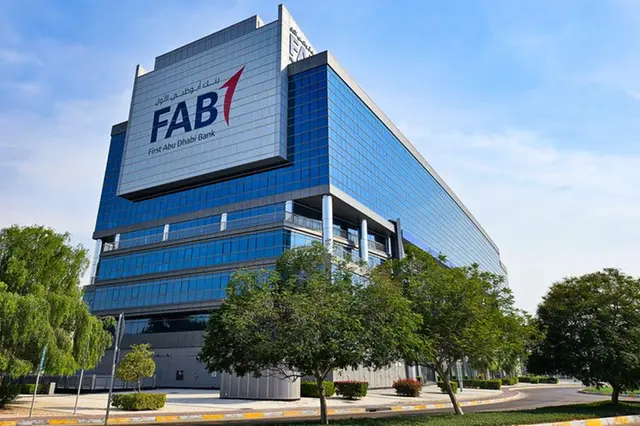
FAB Tier 2 securities are back in focus as First Abu Dhabi Bank prepares a benchmark-sized U.S. dollar capital issuance aimed at international fixed income investors.
The Abu Dhabi-based lender is set to issue Regulation S Tier 2 capital securities denominated in U.S. dollars, with initial price thoughts in the area of 170 basis points over U.S. Treasuries. The planned transaction adds to a busy period for Gulf debt markets, where high-quality financial institutions continue to use international bond markets to strengthen capital, diversify funding and meet investor demand for investment-grade regional credit.
The securities are structured as 10.5-year notes that are non-callable for 5.5 years. They will mature on December 30, 2036, with a first call date on June 30, 2031. A reset date is scheduled for December 30, 2031.
The expected issue rating is A by Fitch, while FAB itself carries strong issuer ratings: Aa3 from Moody’s and AA- from both S&P and Fitch, all with stable outlooks. Those ratings reflect the bank’s position as one of the strongest financial institutions in the UAE and one of the most closely watched bank credits in the Middle East.
Key Details of the Planned FAB Bond
The planned FAB Tier 2 securities will be issued under a Regulation S format, meaning the notes are targeted at international investors outside the United States.
The transaction is expected to be benchmark-sized, a term usually used for bonds large enough to support broad institutional participation and secondary-market liquidity. While final size and pricing depend on investor demand, benchmark transactions are typically designed to attract global asset managers, banks, insurers, private banks and regional fixed income accounts.
The notes will pay interest semi-annually in arrears on June 30 and December 30 each year, starting December 30, 2026. They will carry a fixed coupon until the reset date. After that, the coupon will reset at the prevailing five-year U.S. Treasury rate plus a margin.
The securities are expected to be listed on the London Stock Exchange and cleared through Euroclear and Clearstream. That structure gives the notes access to international settlement infrastructure and makes them easier for global investors to hold and trade.
What 10.5NC5.5 Means
The phrase 10.5NC5.5 is important for understanding the bond structure.
The first part, 10.5, means the securities have a legal maturity of 10.5 years. In this case, they mature on December 30, 2036.
The second part, NC5.5, means the notes are non-callable for 5.5 years. FAB cannot redeem them before the first call date, which is scheduled for June 30, 2031.
This type of structure is common for bank capital instruments. It gives investors a defined period of call protection while also giving the bank flexibility to redeem the securities after the first call date, subject to regulatory conditions and market considerations.
The reset feature also matters. If the notes are not called, the coupon will reset at the five-year U.S. Treasury rate plus a margin. That helps align the bond’s coupon with market rates after the first call period.
Why FAB Is Issuing Tier 2 Capital
Tier 2 securities are a form of regulatory capital used by banks to strengthen their capital base. They sit below senior unsecured debt in the capital structure but above common equity and Additional Tier 1 instruments.
For a bank, issuing Tier 2 securities can help support capital ratios, absorb certain types of losses under regulatory frameworks and improve balance-sheet flexibility. It can also help refinance older capital instruments or prepare for future growth.
FAB is a major UAE lender with a large domestic and international balance sheet. Accessing the Tier 2 market allows the bank to manage capital efficiently while keeping a diversified funding profile.
The timing also reflects wider regional conditions. Gulf banks have remained active in international debt markets because investor appetite for highly rated regional financial institutions remains solid. Strong sovereign backdrops, healthy liquidity and resilient profitability have helped support demand for many Gulf bank credits.
Why the Initial Price Thoughts Matter
Initial price thoughts, or IPTs, give investors an early indication of where the issuer and banks expect the bond to price. FAB’s IPTs are in the area of 170 basis points over U.S. Treasuries.
That spread level is not final. During bookbuilding, the orderbook may strengthen or weaken depending on investor demand. If demand is strong, the final spread may tighten from IPTs. If demand is weaker, pricing may remain wider.
This process is common in bond markets. Banks first announce guidance, then collect orders from investors. As the orderbook builds, the issuer and banks refine pricing. The final coupon and spread reflect both market conditions and investor appetite.
For a highly rated issuer such as FAB, spread movement during bookbuilding will be watched closely. It can indicate how strongly investors view UAE bank capital securities and whether the market is willing to accept tighter pricing.
Bank Mandates and Distribution
FAB has appointed a group of major regional and international banks for the transaction. Abu Dhabi Commercial Bank, Citi, Emirates NBD Capital, FAB, J.P. Morgan and Standard Chartered Bank are mandated as joint lead managers and bookrunners.
This syndicate gives the deal wide distribution across the Middle East, Europe, Asia and global fixed income markets. Regional banks help reach Gulf-based investors, while global banks bring access to major international accounts.
A strong banking group is important for a benchmark issuance. Bookrunners help market the transaction, collect investor orders, guide pricing and allocate the final bonds.
The presence of both regional and global banks also reflects FAB’s market position. The bank is not only a domestic UAE lender. It is a major regional financial institution with international investor recognition.
London Listing and Global Clearing
The planned listing on the London Stock Exchange supports the international nature of the issuance. Many Gulf issuers list dollar bonds in London because it provides visibility, regulatory familiarity and access to professional fixed income investors.
Clearing through Euroclear and Clearstream is also important. These systems allow investors to settle and hold the notes efficiently across borders. For global funds, private banks and institutional investors, access through established clearing systems is often essential.
Together, the London listing and international clearing structure make the securities easier to distribute and trade. That can help improve liquidity and investor participation.
FAB’s Strong Credit Profile
FAB is one of the largest and strongest banks in the UAE. Its high issuer ratings reflect a combination of strong franchise position, systemic importance, capital strength, liquidity, profitability and the supportive operating environment in Abu Dhabi.
The bank’s Aa3 rating from Moody’s and AA- ratings from S&P and Fitch place it among the highest-rated banks in the region. These ratings help FAB access debt markets at competitive levels compared with many emerging-market bank issuers.
The expected A rating on the Tier 2 issue is lower than the senior issuer ratings because subordinated capital instruments carry higher risk than senior debt. That is normal for bank capital securities.
Investors in Tier 2 notes usually receive a higher spread than they would on senior unsecured debt from the same issuer because the securities rank lower in the capital structure.
How Tier 2 Differs From Senior Debt
Tier 2 debt is different from senior bonds. Senior bonds are higher in the repayment hierarchy if a bank faces serious financial distress. Tier 2 instruments are subordinated, meaning they rank below senior creditors.
Because of that, Tier 2 securities are considered riskier than senior unsecured notes. Investors usually demand additional yield to compensate for this lower ranking.
Tier 2 notes may also include regulatory features that allow them to qualify as bank capital. These features can include loss-absorption language, call restrictions and regulatory approval requirements before redemption.
For investors, the main appeal is that Tier 2 securities can offer higher yield from a strong banking issuer. The trade-off is that the instrument carries more structural risk than senior debt.
Why Gulf Bank Bonds Remain Active
Gulf bank bond issuance has remained active because the region’s financial institutions often have strong capital positions, high liquidity and close links to strong sovereign balance sheets.
Banks in the UAE, Saudi Arabia and Qatar have frequently accessed global debt markets to fund growth, manage maturities and optimize capital. International investors often view top-tier Gulf banks as attractive credits because of their ratings, profitability and operating environments.
The market also benefits from strong regional investor demand. Gulf private banks, asset managers and institutional investors are regular buyers of regional financial debt. At the same time, international funds seeking high-grade emerging-market exposure often watch UAE and Saudi bank deals closely.
FAB’s Tier 2 transaction fits into this wider pattern of recurring high-quality issuance from the Gulf financial sector.
FAB’s Recent Green Bond Activity
The planned Tier 2 issuance follows FAB’s recent activity in the green bond market. The bank sold a €750 million three-year green bond, with pricing tightening from initial guidance as investor demand built.
That transaction showed FAB’s ability to access different parts of the debt market, including sustainable finance. It also demonstrated demand for FAB paper across currencies.
The new dollar Tier 2 securities serve a different purpose from a green bond. Green bonds are linked to eligible sustainable finance use cases, while Tier 2 securities are bank capital instruments. But together, the deals show the bank’s broad access to international fixed income investors.
For FAB, maintaining regular market access across currencies and formats can support balance-sheet management and investor relationships.
What Investors Will Watch
Fixed income investors will watch several details as the transaction moves toward pricing.
The first is final spread. If the final pricing tightens materially from the UST+170 area, it would suggest strong demand. If pricing remains close to IPTs, that may indicate a more balanced orderbook.
The second is orderbook size. A large, high-quality orderbook can show strong investor confidence. The quality of orders also matters because long-term institutional demand is usually viewed more positively than fast-money interest.
The third is investor distribution. Market participants will look at how much of the deal goes to Middle East accounts, European investors, Asian investors, banks, funds, insurers and private banks.
The fourth is final coupon. The coupon determines the fixed interest payment until the reset date and will be a key reference point for future FAB and Gulf bank capital trades.
Why the Deal Matters for UAE Capital Markets
The FAB Tier 2 securities matter beyond one bank. They show the continued depth of UAE financial-sector access to global markets.
As the UAE’s largest bank and a major regional issuer, FAB often acts as a reference name. Its bond pricing can influence how investors think about other UAE bank credits, especially subordinated capital instruments.
A successful transaction could support confidence in Gulf bank capital markets and encourage further issuance from regional lenders. It may also help establish pricing benchmarks for future Tier 2 deals.
For Abu Dhabi, FAB’s ability to raise capital internationally also reinforces the emirate’s role as a financial centre. Strong bank issuers help deepen investor familiarity with the UAE credit story.
Market Context
The deal comes at a time when global fixed income markets remain sensitive to U.S. Treasury yields, central bank expectations and geopolitical risk.
Because the notes are priced over U.S. Treasuries, movements in Treasury yields affect the all-in yield investors receive. Even if the spread is stable, a rise or fall in Treasury rates can change the final coupon.
Investors will also compare FAB’s Tier 2 securities with other regional bank capital instruments, global bank Tier 2 bonds and high-grade emerging-market financial debt.
If market conditions are supportive, strong-rated issuers can still attract significant demand. However, pricing discipline remains important because investors have many alternatives across the global bond market.
Conclusion
FAB Tier 2 securities are set to add another major UAE bank transaction to the international bond market. First Abu Dhabi Bank is preparing benchmark-sized U.S. dollar Regulation S Tier 2 capital notes with initial price thoughts around 170 basis points over U.S. Treasuries.
The notes will mature on December 30, 2036, with a first call date on June 30, 2031 and a reset date on December 30, 2031. Interest will be paid semi-annually, and the coupon will reset after the fixed-rate period if the notes are not called.
The planned issue reflects FAB’s strong credit profile, its active capital markets presence and the continued appeal of Gulf bank debt among global investors. It also follows the bank’s recent green bond issuance, showing continued access across currencies and formats.
For the UAE debt market, the transaction will be watched as a pricing benchmark for high-grade bank capital. For investors, the key questions will be final spread, orderbook strength, investor distribution and how the deal compares with other regional Tier 2 securities.
As Gulf issuers continue to tap international markets, FAB’s planned Tier 2 bond reinforces Abu Dhabi’s position as one of the region’s most important financial centres.
Read Also: Dubai Rent Renewal Fee: What Tenants Need to Know