Maersk resumes sailings through Suez Canal and Red Sea, signaling gradual return to major trade route after Gaza ceasefire improves stability
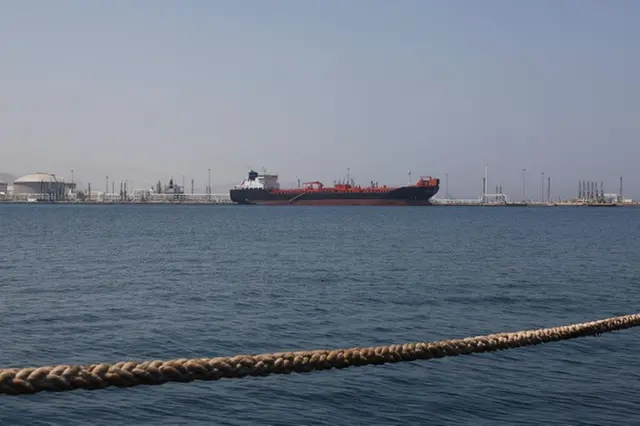
Maersk is restarting sailings through the Red Sea and Suez Canal. The Danish shipping giant will first resume its MECL service. This route connects the Middle East to the United States. This decision marks a major step toward normalizing global maritime trade.
Renewed confidence in regional stability drove this move. A late 2025 ceasefire in the Gaza conflict reduced the hostilities that previously disrupted the route. Maersk plans a phased restart. The first vessel will depart Salalah, Oman, on January 26. This ship will link India and the Middle East directly with the U.S. East Coast.
Shipping lines originally abandoned the Suez Canal in 2023. Repeated attacks by Yemen’s Houthi rebels created severe security threats. These risks forced carriers to divert traffic around Africa’s Cape of Good Hope. Those detours increased transit times, fuel costs, and logistical complexity.
Historically, the Suez Canal handles about 10% of global seaborne trade. This partial reopening should ease supply chain pressures. It will also shorten delivery times between Asia and Western markets. Analysts believe this return could lead to lower freight costs for global shippers.
Some risk remains despite the positive shift. Sporadic security concerns still persist in the region. Maersk and other carriers are taking a measured approach. They will continuously monitor the situation and adjust operations as needed. This strategy prioritizes the safety of crews and cargoes.
Logistics experts believe this cautious resumption might encourage other companies. A successful return by Maersk could accelerate the recovery of trans-Suez traffic. This development highlights how geopolitics can quickly reshape global logistics networks.
Restoring these regular sailings is a milestone for the industry. Efficient connections between major global markets rely on these traditional trade routes.