United Arab Emirates is accelerating construction of a major new oil export pipeline designed to bypass the Strait of Hormuz, as regional conflict and maritime disruptions continue threatening one of the world’s most critical energy chokepoints.
The project, known as the West-East Pipeline, will significantly expand the UAE’s ability to export crude oil through the Port of Fujairah on the Gulf of Oman coast by 2027. The move comes amid severe disruptions to shipping traffic through the Strait of Hormuz following escalating tensions involving Iran, the United States and Israel.
According to the Abu Dhabi Media Office, Crown Prince Khaled bin Mohamed bin Zayed Al Nahyan directed ADNOC to accelerate the pipeline’s development during a recent executive committee meeting.
The government confirmed the pipeline is already under construction and expected to begin operating in 2027.
The UAE pipeline expansion highlights the growing urgency among Gulf energy producers to secure export routes outside the Strait of Hormuz, which carries roughly one-fifth of global oil supplies under normal market conditions.
UAE Pipeline Expansion Responds to Hormuz Disruption
The decision to fast-track the UAE pipeline project follows months of instability in the Gulf region after Iran effectively shut the Strait of Hormuz following attacks linked to the United States and Israel earlier this year.
The disruption severely constrained maritime traffic through the narrow waterway, triggering sharp increases in global oil prices and intensifying concerns over inflation, fuel shortages and broader economic slowdown risks.
Several countries introduced fuel rationing measures as energy markets reacted to the supply disruption.
The UAE’s existing Abu Dhabi Crude Oil Pipeline (ADCOP), also known as the Habshan-Fujairah pipeline, already allows the country to bypass Hormuz partially by transporting crude directly to Fujairah on the Gulf of Oman.
Read Also: UN Rejects Hormuz Tolls Amid Global Shipping Crisis
That system currently carries approximately 1.8 million barrels per day and has become strategically vital during the current regional crisis.
The new UAE pipeline project is expected to significantly increase that export capacity, strengthening the country’s ability to continue supplying global markets even if Hormuz disruptions persist.
Fujairah Emerges as Strategic Energy Lifeline
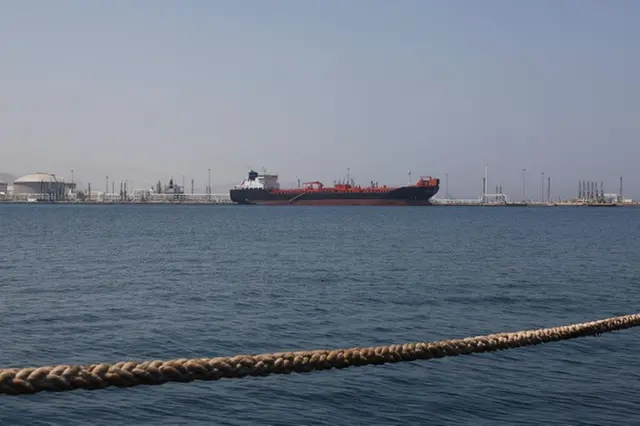
Fujairah has rapidly become one of the Gulf region’s most strategically important energy hubs.
Located outside the Strait of Hormuz, the port provides the UAE direct access to international shipping routes without requiring tankers to pass through the contested waterway.
The emirate has increasingly evolved into a major oil storage, bunkering and export center over the past decade.
Industry analysts say the latest UAE pipeline expansion reflects a broader regional effort to diversify export infrastructure away from geopolitical chokepoints.
The port’s importance has expanded beyond crude oil exports.
The UAE also relies heavily on Fujairah for non-oil imports and broader trade flows, including food shipments critical to the country’s domestic supply chains.
However, the region’s strategic importance has also made it vulnerable.
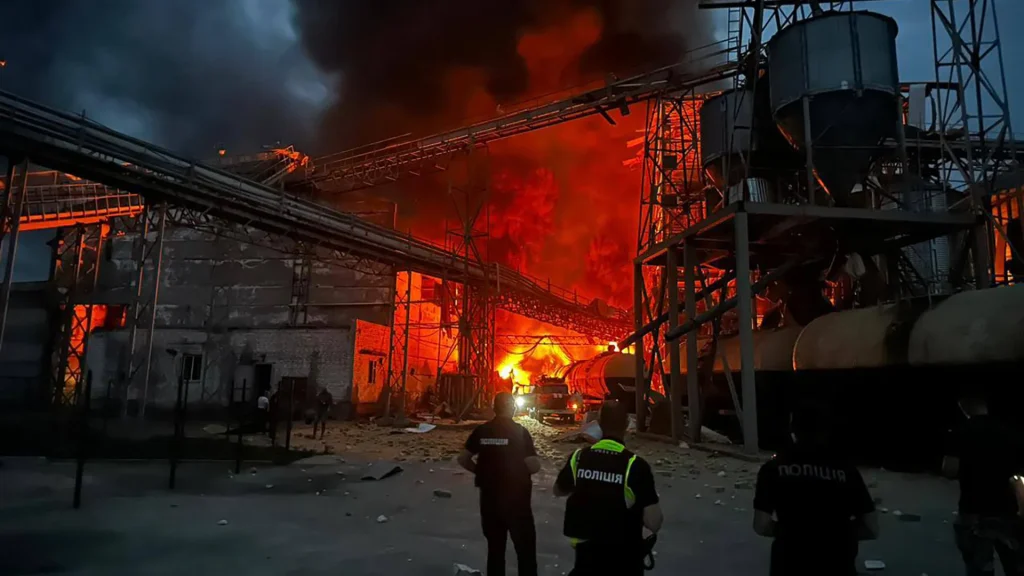
Fujairah has faced multiple attacks in recent months that UAE authorities blamed on Iran-linked actors, temporarily disrupting oil loading operations.
Saudi Arabia’s Red Sea export terminal at Yanbu has also faced attacks linked to the wider regional conflict.
Gulf Producers Race to Protect Oil Exports
The UAE and Saudi Arabia remain the only major Gulf oil producers with large-scale pipeline systems capable of bypassing the Strait of Hormuz.
Saudi Arabia operates its own East-West pipeline, which transports crude from eastern oil fields to the Red Sea coast.
Amin Nasser recently described Saudi Arabia’s pipeline system as a “critical lifeline” after the kingdom rapidly increased capacity to maintain exports during the crisis.
Read Also: Jaishankar Hormuz Talks Aim to Ease Shipping Crisis
According to Saudi officials, the East-West system was expanded to handle approximately 7 million barrels per day within days of the conflict escalation, allowing the kingdom to sustain much of its oil exports despite disruptions in the Gulf.
Other Gulf states remain far more exposed.
Countries including Kuwait, Iraq, Qatar and Bahrain depend heavily on Hormuz for crude exports because they lack alternative large-scale export infrastructure.
Oman benefits from a longer coastline on the Gulf of Oman but still faces indirect risks from regional instability.
The latest UAE pipeline expansion therefore strengthens not only national energy security but also the broader resilience of Gulf oil markets.
UAE Gains More Flexibility After OPEC Exit
The accelerated pipeline announcement also comes shortly after the UAE formally exited OPEC, ending decades of membership in the oil producers’ group.
The departure frees the UAE from production quota restrictions historically coordinated through the Saudi-led alliance.
Energy analysts say the timing is significant.
With global oil supply disruptions intensifying, the UAE appears increasingly focused on maximizing production flexibility and export independence.
The country’s energy minister previously stated that the UAE could potentially raise production capacity to approximately 6 million barrels per day if required.
ADNOC has already accelerated plans to expand production capacity to 5 million barrels per day by next year, bringing forward previous timelines by several years.
Read Also: France Warship Deployment Denied Amid Hormuz Tensions
In May 2024, ADNOC reported production capacity had already reached approximately 4.85 million barrels per day.
The UAE pipeline expansion therefore aligns closely with the country’s broader strategy of strengthening energy infrastructure while increasing production flexibility outside OPEC constraints.
ADNOC Drilling Positioned for Expansion
ADNOC Drilling has indicated it is prepared to support whatever production expansion ADNOC requires during the ongoing crisis.
Executives from the company recently said the drilling subsidiary has sufficient operational capacity to accelerate output growth if needed.
Before the regional conflict escalated, the UAE produced just under 3.4 million barrels per day in January.
However, production reportedly fell sharply after maritime disruptions forced ADNOC to temporarily shut in some output because of export bottlenecks tied to the Hormuz closure.
The UAE pipeline expansion is expected to reduce those vulnerabilities significantly over time.
Energy Markets Face Growing Geopolitical Pressure
The Hormuz crisis has reinforced how vulnerable global energy markets remain to geopolitical shocks concentrated in narrow strategic waterways.
The Strait of Hormuz sits between Iran and Oman and remains one of the world’s most important maritime energy corridors.
Any prolonged disruption immediately affects global oil prices, shipping insurance costs and broader inflation expectations.
Analysts say the current conflict has accelerated long-term Gulf investments in export diversification, strategic storage and pipeline infrastructure.
Countries across the region increasingly recognize that reliance on single maritime chokepoints creates major economic and geopolitical risks.
The UAE pipeline project may therefore represent part of a broader regional restructuring of energy logistics infrastructure.
Read Also: Hormuz Strait Dispute Deepens as Iran Speaks
Covert Shipping Tactics Reflect Rising Security Risks
Reuters previously reported that some UAE-linked oil shipments continued moving through Hormuz with vessel tracking systems switched off in attempts to avoid detection or targeting during the crisis.
The practice reflects growing security concerns among tanker operators and energy exporters navigating increasingly dangerous Gulf waters.
Shipping companies and insurers have sharply increased risk assessments and operating costs for Gulf routes since the conflict escalated.
Those risks have further strengthened the economic rationale for expanding pipeline export infrastructure outside contested maritime zones.
Why This Matters
The UAE pipeline expansion underscores how geopolitical instability in the Gulf is reshaping global energy infrastructure priorities.
As disruptions in the Strait of Hormuz continue threatening oil flows, Gulf producers are accelerating investments designed to reduce dependence on vulnerable maritime chokepoints.
The project also highlights the UAE’s growing ambition to operate with greater energy independence and export flexibility following its departure from OPEC.
What Happens Next
Construction of the UAE pipeline is expected to continue on an accelerated timeline ahead of planned operations beginning in 2027.
Energy markets will closely monitor whether regional tensions persist and whether additional Gulf producers pursue alternative export infrastructure projects.
For the UAE, the Fujairah expansion could become one of the most strategically important energy investments in the country’s modern history.