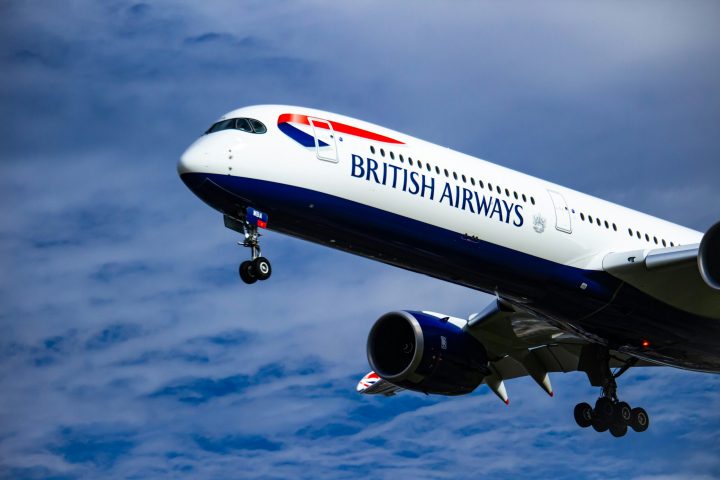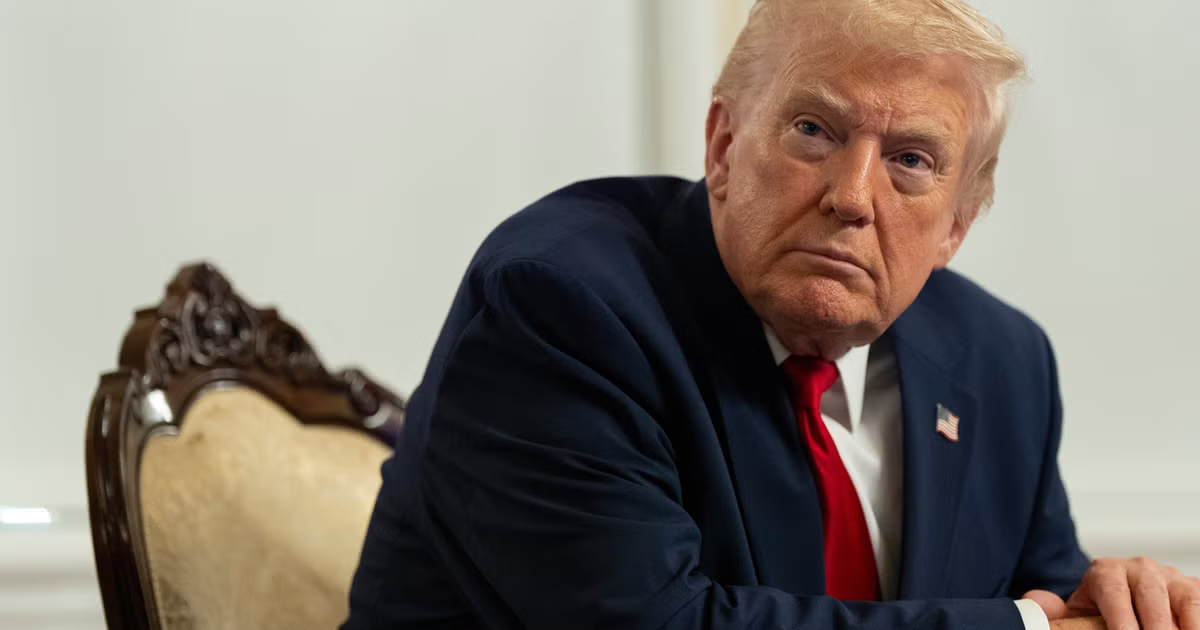
The United States has escalated its pressure campaign against the government of Nicolás Maduro after President Donald Trump issued a sweeping declaration closing Venezuela’s airspace to protect U.S. interests and intensify counter-narcotics operations. The announcement, made during a security briefing, signals a new phase in Washington’s confrontation with Caracas, which U.S. officials have long accused of enabling international drug trafficking networks.
The directive marks one of the strongest aviation restrictions ever placed on Venezuela and aligns with Trump’s broader national security strategy of disrupting drug flows, human smuggling routes, and alleged criminal operations connected to the Maduro administration. While the order stops short of authorizing direct military engagement, it raises questions about how enforcement will unfold and what level of operational force may be deployed in the Caribbean and along northern South America.
Targeting Maduro’s Alleged Narco-Network
American officials have repeatedly framed Venezuela as a hub for cocaine trafficking and transnational crime. The U.S. Justice Department indicted Maduro in 2020 for narco-terrorism, accusing him of leading or enabling the so-called Cartel of the Suns, a shadowy syndicate allegedly operating within the country’s military ranks. According to prosecutors, the network collaborates with drug cartels and international groups to route narcotics through Venezuela before shipping them to Central America, the Caribbean, Mexico, and ultimately the United States.
The Trump administration argues that shutting down Venezuelan airspace reinforces ongoing efforts to disrupt those networks. Analysts note that the move fits into a broader doctrine portraying the Maduro government as an active partner of global criminal organizations rather than a legitimate sovereign state. Supporters of the directive say it signals a willingness to counter what they describe as a narco-state that threatens regional stability.
Support from U.S. Lawmakers and Security Hardliners
Senator Lindsey Graham and other Republican lawmakers applauded the decision, framing it as a necessary step to confront what they call a narcoterrorist regime aligned with hostile actors. They often point to Venezuela’s alleged ties with Hezbollah and other groups considered threats by the United States. According to these lawmakers, allowing unfettered air movement over Venezuela risks enabling drug flights, arms shipments, and clandestine travel by extremist groups.
National security hardliners argue that years of sanctions and diplomatic isolation have not sufficiently weakened Maduro’s hold on power, making more aggressive measures necessary. To them, the airspace closure is both a symbolic and practical tightening of U.S. strategy, potentially restricting Venezuela’s ability to conduct military and commercial flight operations with supportive nations.
Criticism and Concerns Over Sovereignty
Despite its supporters, the declaration has drawn significant backlash from critics who view it as a dangerous overreach. Opponents argue that closing another country’s airspace raises sovereignty issues and could set a precedent for unilateral U.S. policy in contested regions. Some analysts warn that the decision could heighten tensions in the Caribbean, where U.S. military aircraft and naval assets already conduct surveillance and counter-trafficking missions.
There have also been unconfirmed reports of increased U.S. military presence near Venezuela in recent months. Although no flights have reportedly been intercepted or shot down under the new policy, the lack of transparency on enforcement has sparked concerns about accidental violations or miscalculations leading to conflict.
Migration and Regional Control at the Policy’s Core
Trump’s order comes at a time when the United States is accelerating its crackdown on illegal migration, drug flows, and organized crime across Latin America. Administration officials say criminal networks in Venezuela play a role in fueling northward migration and smuggling activity. Blocking air routes, they claim, disrupts how traffickers move personnel, money, and contraband.
The policy also aligns with broader efforts to pressure Maduro ahead of renewed international discussions about democratic reforms and humanitarian access. By restricting Venezuela’s aviation links, Washington is attempting to isolate the Maduro government further and disrupt any logistical pathways used by criminal groups tied to the state.
What Comes Next
As of now, key details about the implementation of the airspace closure remain unclear. The United States has not disclosed the rules of engagement, monitoring technology, or potential responses to violations. Without defined enforcement protocols, it is uncertain whether the directive will function as a deterrent, a symbolic warning, or a precursor to more assertive military and intelligence activity.
Regional governments are watching closely. Some fear that heightened U.S. actions could destabilize air travel and commerce in surrounding countries. Others view Washington’s move as a needed escalation to counter criminal organizations operating with impunity in Venezuela.
For now, the declaration stands as one of the most forceful steps in recent U.S.–Venezuela relations. Whether it leads to meaningful reductions in trafficking or elevates geopolitical tensions will depend on how aggressively the United States chooses to enforce the closure in the weeks and months ahead.