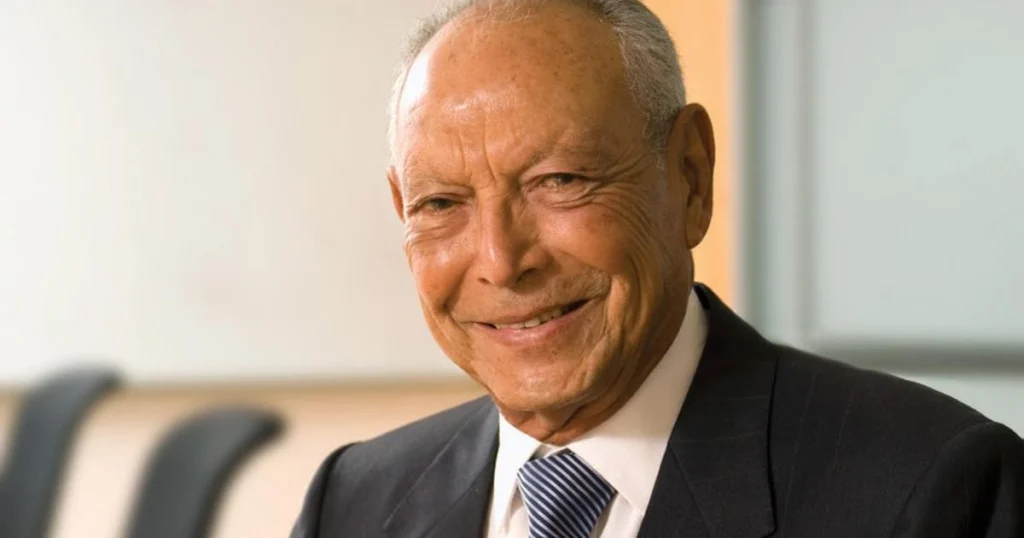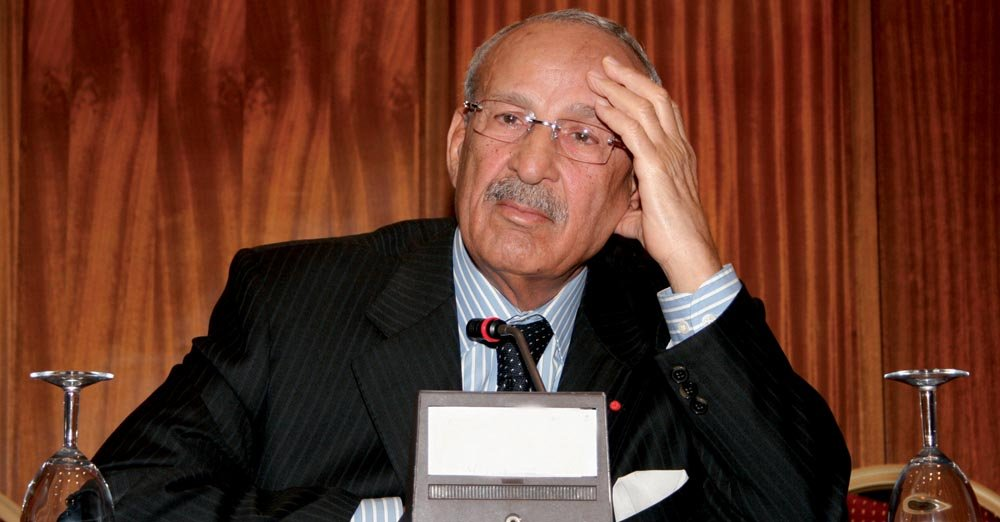
Miloud Chaabi was one of Morocco’s most important self-made businessmen, a founder who rose from rural poverty to build Ynna Holding, a private conglomerate with interests in real estate, construction, hotels, retail and manufacturing.
Older billionaire ranking data placed Miloud Chaabi at $2.9 billion, making him one of Morocco’s richest business figures. Forbes later listed Miloud Chaabi & family at $800 million in 2015, shortly before his death in 2016, showing how private-company valuations and family wealth estimates can shift over time.
His story is not only about wealth. It is about entrepreneurship, persistence, industrial expansion and one of Morocco’s most visible family business groups.
Who Was Miloud Chaabi?
Miloud Chaabi was a Moroccan businessman, politician and philanthropist. He founded Ynna Holding and owned major consumer and hospitality brands, including Riad Mogador hotels and Aswak Assalam supermarkets.
| Profile Item | Details |
|---|---|
| Full Name | Miloud Chaabi |
| Born | September 15, 1930 |
| Birthplace | Aquermoud, Morocco |
| Died | April 16, 2016 |
| Country | Morocco |
| Main Company | Ynna Holding |
| Main Source of Wealth | Real estate and diversified business |
| Older Net Worth Data | $2.9 billion |
| 2015 Forbes Estimate | $800 million |
| Known For | Ynna Holding, Riad Mogador, Aswak Assalam |
Chaabi became known as one of Morocco’s most successful self-made entrepreneurs.
Early Life and Family Background
Miloud Chaabi was born in a small village near Essaouira, Morocco, into a poor family. As a child, he worked as a goat herder and farmer and received only limited schooling.
His early life shaped the public image that followed him for decades: a businessman who did not begin with inherited corporate privilege but built his wealth through work, trading and expansion.
At 15, he moved to Kenitra and began building his career in construction.
Education and Early Career
Chaabi’s formal education was limited. His business education came from the market itself.
He started in construction in 1948, then moved into ceramics in 1964. That step into building materials became important because it connected him to Morocco’s urban growth and demand for housing, infrastructure and consumer goods.
His early success came from understanding basic economic needs: homes, materials, retail access and later hotels.
How Miloud Chaabi Built His Fortune
Miloud Chaabi built his fortune through construction, real estate, manufacturing, retail and hospitality.
His breakthrough came after building experience in ceramics and acquiring industrial assets. In 1985, he consolidated his activities into Ynna Group, which later became one of Morocco’s most powerful private holding companies.
From there, he expanded into:
- Real estate
- Construction materials
- Supermarkets
- Hotels
- Petrochemicals
- Electrical goods
- Paper and packaging
This diversification helped him build a business empire that served both Moroccan consumers and the country’s growing construction economy.
Main Source of Wealth
Miloud Chaabi’s main source of wealth was real estate and diversified private business.
| Wealth Source | Company or Asset | Industry | Role in Fortune |
| Real estate | Ynna Holding | Property | Core wealth base |
| Construction | Chaabi housing and development interests | Construction | Early business foundation |
| Hotels | Riad Mogador | Hospitality | Tourism and property exposure |
| Retail | Aswak Assalam | Supermarkets | Consumer business |
| Ceramics | Super Cérame-linked activity | Manufacturing | Building materials |
| Petrochemicals | SNEP | Industry | Diversification |
| Electrical products | ELECTRA | Manufacturing | Industrial expansion |
Ynna Holding became the central business platform for the Chaabi family.
Business Empire and Major Companies
Chaabi’s business empire was broad and deeply rooted in Morocco’s domestic economy.
| Company or Asset | Industry | Country or Region | Role in Business Empire |
| Ynna Holding | Diversified holding company | Morocco | Main family business platform |
| Riad Mogador | Hotels | Morocco | Hospitality and tourism asset |
| Aswak Assalam | Retail | Morocco | Supermarket chain |
| SNEP | Petrochemicals | Morocco | Industrial asset |
| ELECTRA | Electrical products | Morocco | Manufacturing |
| JBC | Paper and packaging | Morocco | Industrial diversification |
| Super Cérame | Ceramics | Morocco | Construction materials |
Ynna Holding’s businesses placed Chaabi in sectors central to Morocco’s growth: housing, tourism, consumer retail and manufacturing.
Net Worth and Wealth Ranking
Older ranking data placed Miloud Chaabi at $2.9 billion, with real estate listed as his main source of wealth.
In 2011, Forbes estimated his fortune at about $3 billion, making him Morocco’s richest person at the time.
By 2015, Forbes listed Miloud Chaabi & family at $800 million.
Net worth estimates for private business owners can vary because much of their wealth is tied to private companies, real estate, debt, family holdings and assets that do not trade publicly.
Investment Strategy
Miloud Chaabi’s investment strategy was built around practical sectors and domestic demand.
Build Around Housing and Construction
His early businesses served Morocco’s need for housing, roads and building materials.
Diversify Into Consumer Markets
Aswak Assalam gave him exposure to retail and household spending.
Add Tourism Assets
Riad Mogador connected the group to Morocco’s tourism economy.
Control Industrial Inputs
Ceramics, petrochemicals, electrical components and packaging helped Ynna Holding cover multiple parts of the construction and consumer supply chain.
Major Business Milestones
1948 — First Construction Business
Chaabi began his first construction activity in Kenitra as a teenager.
1964 — Move Into Ceramics
He entered the ceramics industry, which became a major step toward manufacturing and building materials.
1985 — Founding of Ynna Group
Chaabi consolidated his business activities into Ynna Group, later known as Ynna Holding.
1992 — Launch of JBC
He founded JBC for cardboard and paper products.
1993 — SNEP Deal
Chaabi expanded into petrochemicals through SNEP.
1998 — Aswak Assalam
He launched Aswak Assalam, a Moroccan supermarket chain.
1999 — Riad Mogador
He launched the Riad Mogador hotel chain, expanding into tourism and hospitality.
Political Career and Public Influence
Miloud Chaabi was also active in Moroccan politics. He served as a parliamentary representative and won multiple elections from 1984 until his resignation in 2014 due to declining health.
His daughter, Asma Chaâbi, later took his parliamentary seat and had previously served as mayor of Essaouira, becoming the first woman to hold such a position in Morocco.
The Chaabi family’s political involvement reflected the close relationship between business, local development and public life in Morocco.
How Miloud Chaabi Fits Into the Arab Business Landscape
Miloud Chaabi represents the self-made industrial and real-estate billionaire.
Unlike Gulf fortunes tied to oil or banking, Chaabi’s wealth grew from construction, retail and manufacturing. His empire was domestic, practical and consumer-facing.
His career reflects a broader pattern in North African capitalism: entrepreneurs who built wealth by serving housing demand, urbanization, tourism and everyday consumer markets.
Financial and Ownership Context
Ynna Holding was a private family business group. That means not all financial details, ownership percentages, debt levels or asset valuations were publicly disclosed.
Private conglomerates like Ynna can be difficult to value because they include:
- Real estate
- Hotels
- Retail chains
- Manufacturing companies
- Industrial assets
- Family-controlled holdings
- Debt and operating liabilities
This helps explain why Chaabi’s public wealth estimates changed over time.
Competitive Impact and Industry Influence
Chaabi’s companies competed in sectors that affected daily life in Morocco.
Aswak Assalam competed in modern retail. Riad Mogador expanded domestic hospitality. Construction and ceramics businesses supported housing and infrastructure.
Ynna Holding was also described as one of Morocco’s major private-sector employers, with operations across construction, real estate, manufacturing and tourism.
Philanthropy, Public Image and Influence
Chaabi was known for philanthropy and charity work. He operated the Miloud Chaâbi Foundation and was associated with education-focused giving.
He was also known for banning alcohol from his hotels and supermarkets, reflecting his personal values and business principles.
His public image combined entrepreneur, philanthropist, politician and conservative businessman.
Controversies, Risks and Challenges
Chaabi’s career included business and political debate, especially around public assets and privatization. In 2008, he criticized the sale of public properties at low prices without proper legal procedures.
His business risks included:
- Real-estate market cycles
- Retail competition
- Hotel-sector volatility
- Manufacturing costs
- Family succession
- Private-company transparency
- Political exposure
No serious legal controversy should be overstated without verified evidence.
Succession and Family Business Future
Succession became important after Chaabi’s declining health and later death in 2016.
His children, including Asma, Mohcine, Mohamed and Faouzi, have been associated with public life, politics and family interests.
The future of the Chaabi family business depends on professional management, asset restructuring, retail competition, hotel performance and the continued relevance of Ynna Holding’s industrial businesses.
Strategic Insights From Miloud Chaabi’s Career
Start With Practical Demand
Chaabi built businesses around housing, construction materials, supermarkets and hotels.
Use Manufacturing to Support Real Estate
Building materials helped support his broader construction and property strategy.
Build Locally Before Diversifying
His fortune was rooted in Morocco before expanding across sectors.
Turn Values Into Brand Identity
His alcohol-free hotels and supermarkets created a clear public identity.
Use Philanthropy to Build Legacy
His foundation helped connect business wealth to education and social development.
Key Takeaways
- Miloud Chaabi was a Moroccan businessman, politician and philanthropist.
- He founded Ynna Holding.
- Older ranking data placed his fortune at $2.9 billion.
- Forbes estimated him at about $3 billion in 2011.
- Forbes later listed Miloud Chaabi & family at $800 million in 2015.
- His wealth came from real estate, construction, retail, hotels and manufacturing.
- He owned Riad Mogador hotels and Aswak Assalam supermarkets.
- He launched major industrial businesses including SNEP, ELECTRA and JBC.
- He served in Moroccan politics for decades.
- His daughter Asma Chaâbi became a notable political figure.
- He died in 2016 in Hamburg, Germany.
- His legacy is one of Morocco’s best-known self-made business empires.
Frequently Asked Questions
Who was Miloud Chaabi?
Miloud Chaabi was a Moroccan businessman, politician and philanthropist who founded Ynna Holding.
What was Miloud Chaabi’s net worth?
Older ranking data placed his net worth at $2.9 billion. Forbes estimated him at about $3 billion in 2011 and $800 million in 2015.
How did Miloud Chaabi become wealthy?
He became wealthy through construction, real estate, ceramics, retail, hotels and manufacturing.
What is Ynna Holding?
Ynna Holding is the private business group founded by Miloud Chaabi, with interests in real estate, hotels, retail and industry.
What companies did Miloud Chaabi own?
He was associated with Riad Mogador, Aswak Assalam, SNEP, ELECTRA, JBC and other Ynna Holding businesses.
Where was Miloud Chaabi born?
He was born in Aquermoud, near Essaouira, Morocco.
Was Miloud Chaabi self-made?
Yes. He rose from poverty and built his business empire through construction and industry.
What was Miloud Chaabi known for besides business?
He was known for philanthropy, politics and banning alcohol from his hotels and supermarkets.
When did Miloud Chaabi die?
He died on April 16, 2016, in Hamburg, Germany.
What is Miloud Chaabi’s legacy?
His legacy is Ynna Holding, one of Morocco’s most visible family business groups, and his reputation as a self-made entrepreneur.
Conclusion
Miloud Chaabi built one of Morocco’s most recognizable private business empires from modest beginnings. Through Ynna Holding, he expanded from construction into real estate, hotels, supermarkets, ceramics, petrochemicals and manufacturing.
The story of Miloud Chaabi is the story of a self-made Moroccan entrepreneur who turned practical industries into a diversified fortune. His wealth estimates changed over time, but his influence on Moroccan business, retail, hospitality and philanthropy remains part of the country’s modern corporate history.
Disclaimer: This article is for informational and educational purposes only. Net worth figures, ownership estimates, rankings, and asset values may change over time and may be based on public estimates, market prices, private-company valuations, and available disclosures. This article is not investment advice, financial advice, or a recommendation to buy or sell any security.
Read Also: Onsi Sawiris: Inside the Fortune of Egypt’s Orascom Patriarch