Mohammed Al Amoudi is one of the most important private investors linking Saudi Arabia, Ethiopia, Europe and the wider energy market. His fortune was built through construction, real estate, oil refining, mining, agriculture, hotels, healthcare and manufacturing, making him one of the most diversified business figures in the Arab and African wealth landscape.
For years, Al Amoudi ranked among the richest people in the Middle East and Africa. Older billionaire data placed his net worth at $12.5 billion, with a 2011 estimate of $12.3 billion. More recent public estimates have placed his fortune lower, with Bloomberg-linked reporting in 2026 putting his wealth at about $9.1 billion to $9.3 billion.
That shift reflects the complexity of valuing a private business empire. Much of Mohammed Al Amoudi’s wealth is tied to private companies, oil assets, refineries, mining interests, agricultural land, real estate and industrial holdings that do not trade daily on public markets.
Who Is Mohammed Hussein Al Amoudi?
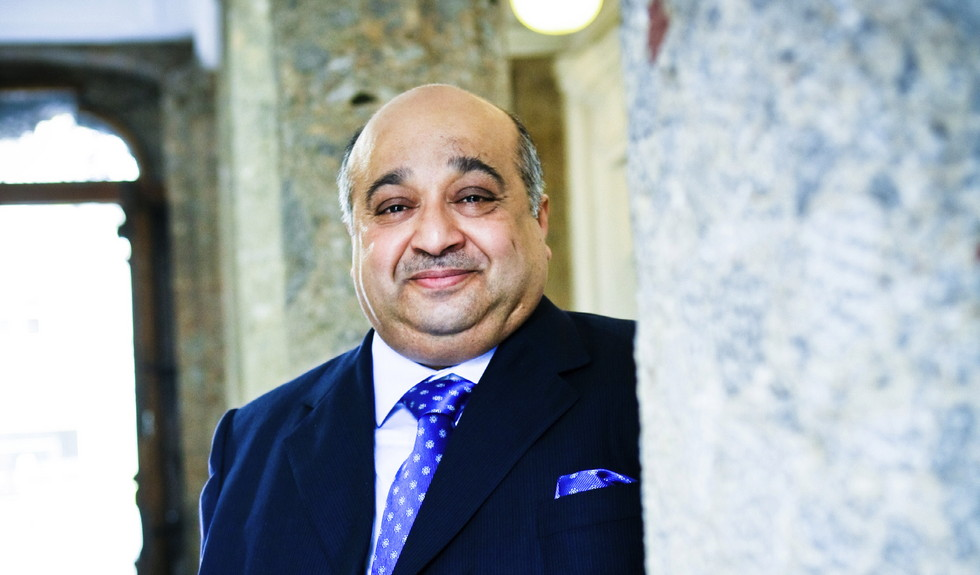
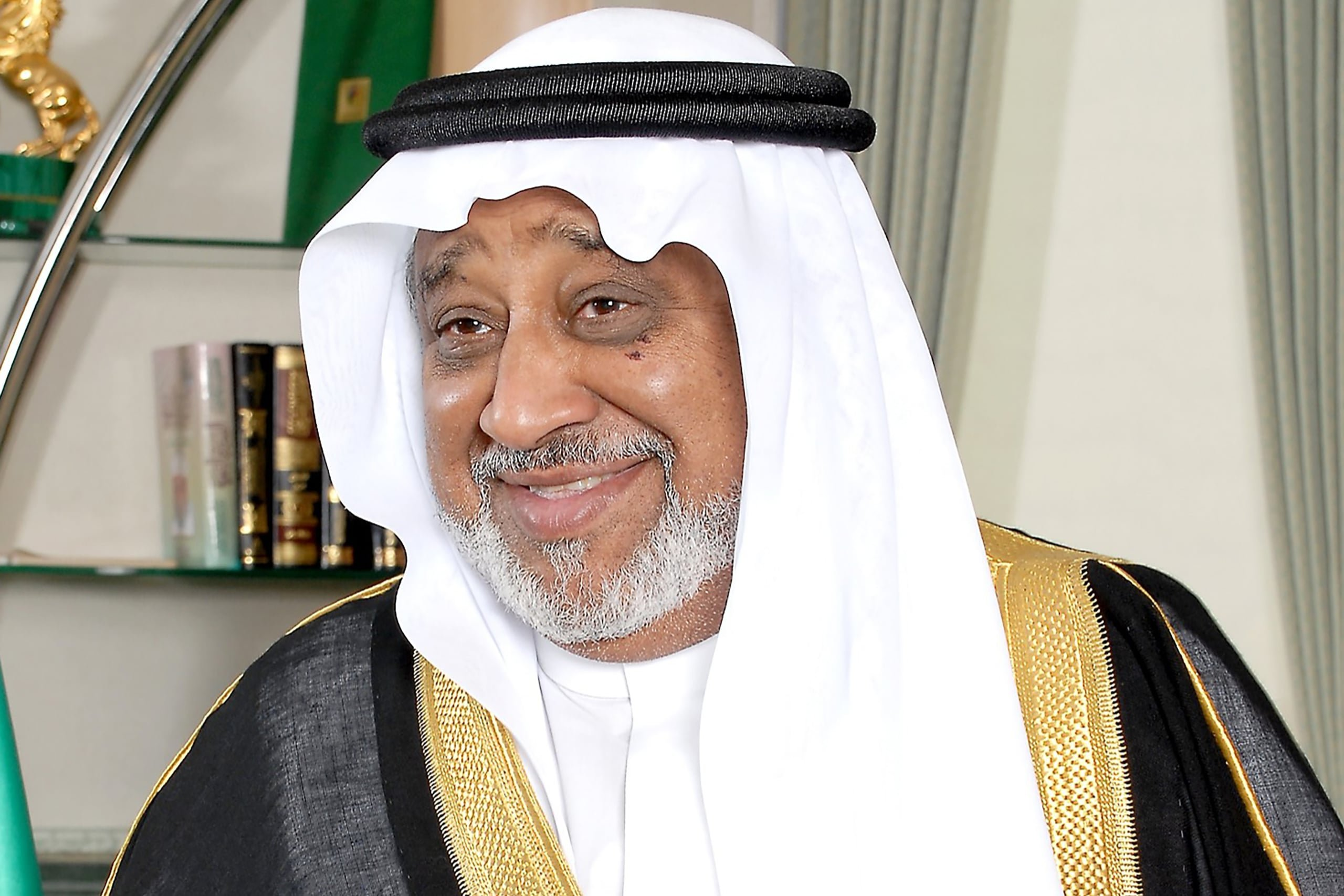
Mohammed Hussein Al Amoudi is an Ethiopian-born Saudi billionaire businessman and investor. He is best known as the owner and manager of Corral Petroleum Holdings and MIDROC, two business groups that anchor his diversified empire.
| Profile Item | Details |
|---|---|
| Full Name | Mohammed Hussein Ali Al Amoudi |
| Known As | Mohammed Al Amoudi |
| Born | July 21, 1946 |
| Birthplace | Dessie, Ethiopia |
| Citizenship | Saudi Arabia |
| Main Companies | MIDROC, Corral Petroleum Holdings |
| Main Source of Wealth | Oil, construction and diversified investments |
| Key Markets | Saudi Arabia, Ethiopia, Sweden, Morocco |
| Estimated Net Worth | About $9.1 billion to $9.3 billion in 2026 Bloomberg-linked estimates |
| Older Ranking Data | $12.5 billion |
| Known For | One of Ethiopia’s largest foreign investors and a major Saudi business figure |
Al Amoudi’s fortune is unusual because it is not tied to a single company or industry. His business interests stretch across oil refining, construction, mining, agriculture, hotels, manufacturing and healthcare.
Early Life and Family Background
Mohammed Al Amoudi was born in Dessie, in Ethiopia’s former Wollo Province, in 1946. His father was of Hadhrami Yemeni origin, while his mother was Ethiopian.
He grew up in Ethiopia before later moving to Saudi Arabia with his brother. He eventually became a Saudi citizen, but Ethiopia remained central to his identity and business empire.
That dual connection shaped much of his career. In Saudi Arabia, he built access to major construction and industrial opportunities. In Ethiopia, he became one of the largest private investors in the country’s modern economy.
Education and Early Career
Public information about Al Amoudi’s formal education is limited. His business career, however, began through practical exposure to trade, construction and investment.
He made his early fortune in construction and real estate before moving into oil refining, energy, mining and industrial assets. This path gave him a foundation in hard assets rather than financial speculation.
His rise came from identifying infrastructure gaps and using capital to build or acquire strategic assets.
How Mohammed Al Amoudi Built His Fortune
Mohammed Al Amoudi built his fortune by moving from construction and real estate into energy and diversified industrial holdings.
One of the major turning points came in 1988, when a MIDROC-linked construction consortium won a major contract connected to Saudi Arabia’s underground oil storage infrastructure. That deal helped establish him as a serious player in Saudi construction and energy-linked infrastructure.
From there, Al Amoudi expanded into oil refining, acquiring assets in Sweden and Morocco. He also built a large business presence in Ethiopia through MIDROC Ethiopia, which became active in mining, hotels, agriculture, manufacturing, healthcare and energy distribution.
His wealth story rests on four pillars:
- Construction and infrastructure
- Oil refining and petroleum assets
- Ethiopian industrial investment
- Diversified private-company ownership
Main Source of Wealth
Mohammed Al Amoudi’s main source of wealth is oil and diversified investments.
| Wealth Source | Company or Asset | Industry | Role in Fortune |
| Oil refining | Corral Petroleum Holdings | Energy | Core wealth driver |
| Construction | MIDROC | Infrastructure | Early business foundation |
| Mining | MIDROC Gold | Natural resources | Ethiopian gold exposure |
| Agriculture | Saudi Star and Ethio Agri-CEFT | Agriculture | Long-term land and food production exposure |
| Hotels | Sheraton Addis and related assets | Hospitality | Prestige and real estate-linked asset |
| Fuel distribution | National Oil Ethiopia stake | Energy retail | Ethiopian petroleum market exposure |
| Manufacturing | Steel, cement, tyres and industrial assets | Industry | Diversification |
His empire is best understood as a private industrial portfolio built around energy, infrastructure and long-term national development assets.
Business Empire and Major Companies
Mohammed Al Amoudi’s business empire is largely organized through MIDROC and Corral Petroleum Holdings.
| Company or Asset | Industry | Country or Region | Role in Business Empire |
| MIDROC | Diversified holding company | Saudi Arabia, Ethiopia | Main industrial and investment platform |
| Corral Petroleum Holdings | Oil and energy | Europe, Morocco, other markets | Oil refining and petroleum assets |
| MIDROC Ethiopia | Diversified business | Ethiopia | Mining, agriculture, hotels and manufacturing |
| MIDROC Gold | Mining | Ethiopia | Gold mining operations |
| National Oil Ethiopia | Fuel distribution | Ethiopia | Petroleum retail and distribution |
| Sheraton Addis | Hospitality | Ethiopia | Luxury hotel asset |
| Saudi Star Agricultural Development | Agriculture | Ethiopia | Large-scale farming investment |
| Derba MIDROC Cement | Cement | Ethiopia | Industrial production asset |
The scale of this empire made Al Amoudi one of Ethiopia’s most important private-sector investors and one of Saudi Arabia’s most diversified billionaires.
Net Worth and Wealth Ranking
Older ranking data placed Mohammed Al Amoudi at number three among Arab billionaires, with a net worth of $12.5 billion and a 2011 estimate of $12.3 billion.
More recent estimates have been lower. Bloomberg-linked reporting in 2026 placed his fortune at around $9.1 billion to $9.3 billion.
Net worth estimates for private business owners can vary because much of their wealth is tied to private companies, family holdings, real estate, energy assets, debt, and assets that are not fully disclosed.
In Al Amoudi’s case, valuation is especially complex because his businesses include oil refineries, private holding companies, Ethiopian industrial assets, mining operations, agricultural projects and real estate.
Investment Strategy
Mohammed Al Amoudi’s investment strategy appears to follow a hard-asset model.
Rather than concentrating on public markets, technology startups or short-term trading, he built wealth through assets linked to national infrastructure and long-term demand.
Focus on Strategic Industries
His investments are concentrated in sectors that economies need regardless of market cycles: oil, fuel distribution, cement, agriculture, mining, construction and healthcare.
Deep Ethiopia Exposure
Al Amoudi became one of Ethiopia’s largest private investors, with business interests across gold mining, hotels, fuel distribution, agriculture, cement and manufacturing.
Energy as a Core Pillar
Oil refining and petroleum holdings became major components of his fortune, especially through assets in Europe and North Africa.
Diversification Across Countries
His business footprint includes Saudi Arabia, Ethiopia, Sweden, Morocco and other markets, reducing dependence on one economy.
Major Deals, Investments and Business Milestones
Saudi Construction Breakthrough
Al Amoudi’s rise accelerated after MIDROC-linked companies became involved in major Saudi construction and oil infrastructure projects. These contracts helped establish his reputation in large-scale development.
Expansion Into Oil Refining
The move into oil refining turned Al Amoudi from a construction and real-estate investor into a major energy businessman. His petroleum holdings became one of the most valuable parts of his empire.
Building MIDROC Ethiopia
MIDROC Ethiopia became a central pillar of his African investment strategy. Through it, Al Amoudi invested in mining, hotels, agriculture, cement, manufacturing and healthcare.
Gold Mining in Ethiopia
MIDROC Gold became one of Ethiopia’s most important mining operations. Gold gave Al Amoudi exposure to natural resources and export-linked revenue.
Agriculture and Saudi Star
Through Saudi Star Agricultural Development, Al Amoudi pursued large-scale agricultural projects in Ethiopia. These projects were part of a broader strategy connecting food production, land development and regional trade.
Sheraton Addis
The Sheraton Addis became one of his most visible Ethiopian assets. It symbolized both his hospitality ambitions and his confidence in Ethiopia as a destination for business, diplomacy and investment.
How Mohammed Al Amoudi Fits Into the Arab Business Landscape
Mohammed Al Amoudi stands out in the Arab business landscape because his fortune connects the Gulf, the Horn of Africa and Europe.
Many Arab billionaires built wealth through banking, real estate, retail or family conglomerates. Al Amoudi’s empire is more industrial. It is rooted in oil, construction, mining and infrastructure.
His career also reflects the growing role of Gulf-linked capital in African development. Long before African investment became a fashionable theme for global funds, Al Amoudi was already deploying capital into Ethiopia’s mining, hotel, agriculture and industrial sectors.
He represents a type of billionaire rarely captured by simple rankings: a cross-border industrial investor whose fortune depends on private assets, political stability, commodity cycles and long-term infrastructure demand.
Ethiopian Investments
Ethiopia is central to Mohammed Al Amoudi’s business identity.
His investments in the country include:
- Gold mining
- Fuel distribution
- Hotels
- Agriculture
- Cement
- Steel
- Tyres
- Healthcare
- Manufacturing
These holdings made him one of Ethiopia’s largest individual foreign investors.
His Ethiopian investments have also made him a highly visible figure in the country’s business and public life. Supporters view his capital as important for employment, infrastructure and industrial development. Critics have sometimes questioned the scale of private control over strategic assets.
Financial and Ownership Context
Much of Al Amoudi’s wealth is privately held. This makes his empire harder to value than fortunes tied to listed companies.
Ownership details are not fully disclosed for every asset. Some companies are held through private structures, while others operate through MIDROC or Corral Petroleum-related entities.
This matters because private-company wealth can be difficult to measure. A refinery, gold mine, hotel or agricultural project may be valuable, but its market value depends on profits, debt, regulation, commodity prices and buyer demand.
Competitive Impact and Industry Influence
Al Amoudi’s companies have had meaningful influence in several markets.
In Ethiopia, his businesses have affected mining, hospitality, fuel distribution, agriculture and manufacturing. In Sweden and Morocco, his petroleum assets placed him within the energy sector. In Saudi Arabia, his construction and industrial activity connected him to major national projects.
His influence comes from ownership of strategic assets rather than public celebrity. He controls or has controlled businesses in sectors that shape employment, exports, infrastructure and industrial capacity.
Philanthropy, Public Image and Influence
Mohammed Al Amoudi has funded projects in healthcare, education, sport and research.
His philanthropic activity has included support for a breast cancer research center at King Abdulaziz University, enhanced oil recovery research at King Saud University and the King Abdullah Institute for Nanotechnology.
He has also supported Ethiopian sport, including sponsorship of football competitions and funding connected to stadium development.
His public image is mixed but significant. In Ethiopia, he is seen as both a major investor and a powerful private-sector figure. In Saudi Arabia, he is part of the country’s high-net-worth business class with major industrial interests.
Controversies, Risks and Challenges
Mohammed Al Amoudi’s business career has included controversy and political risk.
In November 2017, he was detained in Saudi Arabia during a wider anti-corruption campaign involving princes, ministers and businesspeople. He was released in January 2019 after more than a year in detention.
The episode highlighted one of the biggest risks facing major private fortunes in politically sensitive environments: wealth can be affected not only by markets but also by state power, regulation and political change.
His businesses have also faced scrutiny in areas such as land use, mining and large-scale agricultural development. These are common pressure points for industrial investors operating in natural resources and agriculture.
Succession and Family Business Future
Al Amoudi is married to Sofia Saleh Al Amoudi and has eight children.
The long-term future of his empire depends on family governance, professional management, asset sales, restructuring and the performance of core businesses in energy, mining, agriculture and industry.
Because the empire is privately held, succession planning is less visible than it would be in a public company. However, for a business group of this scale, continuity depends on clear control structures and capable management across countries.
Strategic Insights From Mohammed Al Amoudi’s Career
Build Around Essential Industries
Al Amoudi focused on sectors that remain important in growing economies: energy, cement, fuel, agriculture, mining and hotels.
Use Diversification to Manage Risk
His empire spans multiple countries and industries, reducing dependence on one asset.
Invest Where Capital Is Scarce
His Ethiopian investments show how large private capital can become influential in markets where infrastructure and industrial financing are limited.
Control Real Assets
Rather than relying heavily on financial speculation, Al Amoudi built wealth through physical assets such as refineries, mines, hotels, farms and factories.
Understand Political Risk
His 2017 detention showed that billionaires operating across politically sensitive markets must manage more than business risk.
Key Takeaways
- Mohammed Al Amoudi is an Ethiopian-born Saudi billionaire businessman.
- His fortune was built through oil, construction, real estate and diversified investments.
- Older ranking data placed his net worth at $12.5 billion.
- Bloomberg-linked estimates in 2026 placed his fortune around $9.1 billion to $9.3 billion.
- His main business platforms are MIDROC and Corral Petroleum Holdings.
- He is one of Ethiopia’s largest individual foreign investors.
- His Ethiopian interests include mining, fuel distribution, hotels, agriculture, cement and manufacturing.
- Oil refining became one of the strongest pillars of his wealth.
- His businesses are largely private, making valuation difficult.
- He was detained in Saudi Arabia in 2017 and released in 2019.
- His legacy is tied to industrial investment across Saudi Arabia, Ethiopia and Europe.
Frequently Asked Questions
Who is Mohammed Al Amoudi?
Mohammed Al Amoudi is an Ethiopian-born Saudi billionaire businessman and investor known for building a diversified empire in oil, construction, mining, agriculture and industry.
What is Mohammed Al Amoudi’s net worth?
Older ranking data placed his net worth at $12.5 billion. More recent Bloomberg-linked estimates in 2026 placed his fortune at about $9.1 billion to $9.3 billion.
How did Mohammed Al Amoudi become wealthy?
He became wealthy through construction, real estate, oil refining, mining, agriculture and diversified private investments.
What companies does Mohammed Al Amoudi own?
He is associated with MIDROC, Corral Petroleum Holdings, MIDROC Ethiopia, MIDROC Gold, National Oil Ethiopia and other industrial and investment assets.
What is Mohammed Al Amoudi’s main source of wealth?
His main source of wealth is oil and diversified investments, especially through private industrial holdings.
Where was Mohammed Al Amoudi born?
He was born in Dessie, Ethiopia, in 1946.
Is Mohammed Al Amoudi Saudi or Ethiopian?
He was born in Ethiopia and became a Saudi citizen. His business identity is closely connected to both countries.
What is MIDROC?
MIDROC is a diversified business group associated with Mohammed Al Amoudi, with interests in construction, mining, agriculture, hotels, manufacturing and other sectors.
Why is Mohammed Al Amoudi important in Ethiopia?
He is one of Ethiopia’s largest individual foreign investors, with major interests in mining, hotels, agriculture, fuel distribution and manufacturing.
Was Mohammed Al Amoudi detained in Saudi Arabia?
Yes. He was detained in Saudi Arabia during the 2017 anti-corruption campaign and released in January 2019.
Conclusion
Mohammed Al Amoudi built one of the most diversified private fortunes in the Saudi and African business worlds. His career began with construction and real estate, expanded into oil refining and then spread across mining, agriculture, hotels, fuel distribution, cement and manufacturing.
The story of Mohammed Al Amoudi is the story of a cross-border industrial investor whose wealth connects Saudi Arabia, Ethiopia, Europe and the wider energy economy. His fortune has changed with markets, politics and private-company valuations, but his influence remains tied to some of the most important sectors in emerging-market development.
Disclaimer: This article is for informational and educational purposes only. Net worth figures, ownership estimates, rankings, and asset values may change over time and may be based on public estimates, market prices, private-company valuations, and available disclosures. This article is not investment advice, financial advice, or a recommendation to buy or sell any security.
Read Also: Joseph Safra: Inside the Fortune of Brazil’s Banking Titan