September 9, 2025 | Dubai, UAE (The Arabian Wall Street) — The UAE’s air transport sector has undergone a remarkable transformation over the past five decades, evolving into a globally integrated aviation network. The General Civil Aviation Authority (GCAA) reports that this growth has not only shaped the region’s infrastructure but also cemented the UAE’s position as a key player in the global aviation landscape.
Civil aviation has played a crucial role in the UAE’s rapid development, driving both economic growth and the nation’s rising influence on the world stage. The GCAA is launching a new series of analytical reports titled “A Closer Look: Civil Aviation in the UAE,” which will delve into key milestones, challenges, and future opportunities for the sector.
Achievements and milestones
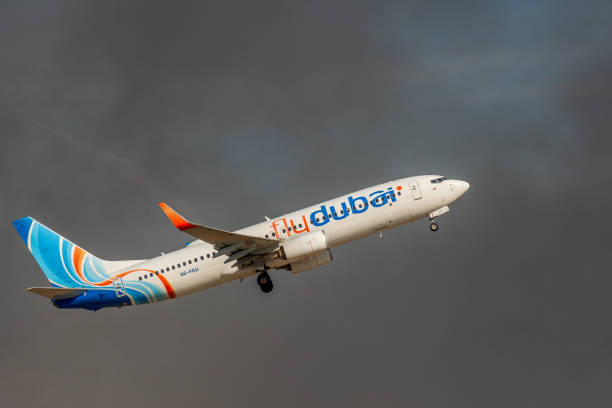
The UAE’s aviation sector now features 12 certified airports, including 8 international airports, along with 100 heliports, with some in development to accommodate electric vertical aircraft. There are currently 35 UAE-registered air operators, including 5 national carriers, and the country has signed 189 bilateral air transport agreements with nearly all of the world’s nations.
Growth and global connectivity
Key figures highlight the UAE’s impressive international connectivity network, linking UAE airports with 304 airports across 109 countries. The UAE has launched 162 new international routes in the past five years alone, and the international air connectivity index increased by 39% regionally and 15% globally from 2014 to 2024.
Dubai International Airport (DXB) has held the title of the world’s busiest airport for international passengers for over a decade. In August 2025, DXB recorded 5.34 million outbound seats, maintaining its global lead in international seat capacity.
With 960 registered aircraft, including 520 national carrier-operated planes, the UAE’s air transport system handles over 4,800 weekly flights worldwide, contributing to the global movement of passengers and goods.
Economic impact and future vision
The UAE’s aviation sector contributes over $92 billion annually to the national economy, with 206,800 direct jobs across airlines, airport operators, and service providers. The sector accounts for approximately 18% of the UAE’s GDP, with a broader economic footprint supporting 991,500 jobs.
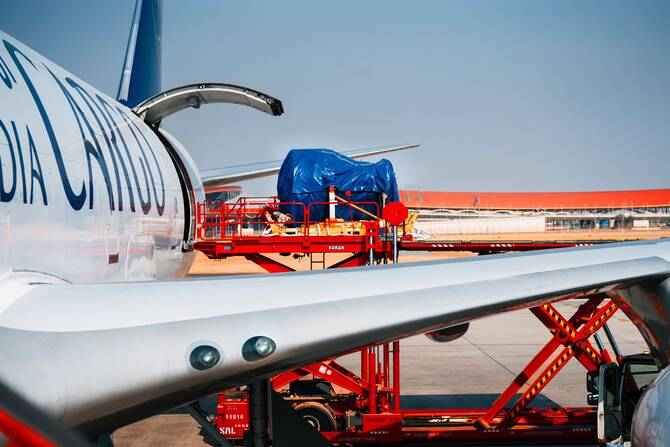
Furthermore, air cargo continues to be a major part of the economy, with the UAE being the seventh-largest air cargo market globally, moving 4.36 million tonnes of cargo in the past year.
IATA has highlighted the critical role the UAE plays in international trade, tourism, and global connectivity.
Supporting sustainable development
Beyond its economic impact, the UAE’s aviation sector also supports UN Sustainable Development Goals (SDGs) by fostering cultural exchange, improving access to education and healthcare, and making air travel more affordable. Between 2011 and 2023, the average real airfare dropped by 35%, and the number of flights per 1,000 people reached 3,668 in 2023.
The rapid transformation of the UAE’s aviation infrastructure continues to drive the nation’s global influence, playing a pivotal role in shaping the future of air travel and setting new benchmarks for efficiency, sustainability, and operational excellence.