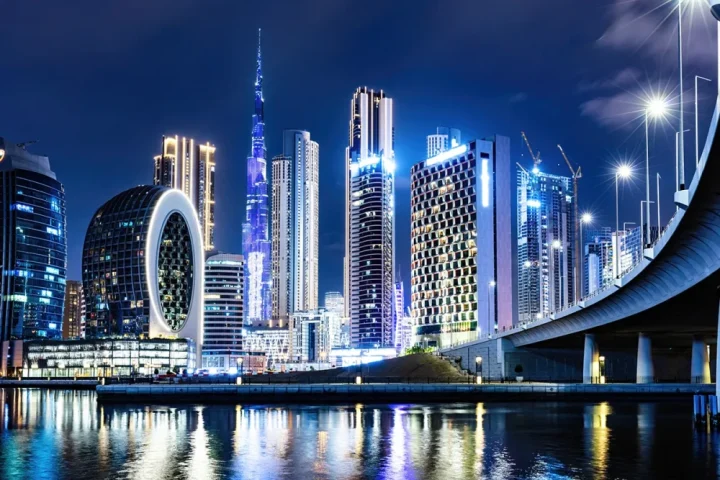
Gulf Data Centers are at the heart of the region’s digital transformation, but their growth poses a serious challenge: scarce water resources. In Saudi Arabia alone, data centers consumed an estimated 15 billion liters of water in 2024, highlighting a looming environmental and social challenge.
The Water Cost of Digital Growth
Across the Gulf Cooperation Council (GCC), data center capacity is projected to triple from just over 1 GW today to 3.3 GW by 2030, outpacing global growth. These sprawling facilities, described as the “brains” of AI and the internet, not only consume vast amounts of energy but also rely heavily on water for cooling. With summer temperatures exceeding 45°C, keeping thousands of servers cool demands water—often sourced from desalination. Preliminary studies estimate that Saudi Arabia’s data centers could account for more than 87 billion liters of water use in coming years, equivalent to 35,000 Olympic swimming pools.
Liquid Cooling as a Solution
One of the most promising innovations for Gulf Data Centers is liquid cooling technology. Instead of massive air-conditioning systems, this method delivers coolants directly to the chips. According to Schneider Electric, liquid cooling can reduce water use by up to 92 percent while improving thermal efficiency. The initial cost is high, but long-term savings in energy and operational resilience make it a viable solution. Other industry leaders like Vertiv and regional projects by Khazna, Datavolt, and Alfanar are already implementing such methods.
Challenges in Adoption
Despite its benefits, liquid cooling faces hurdles. High upfront capital costs, specialized maintenance, and reliance on oil-derived coolants limit adoption. Smaller operators may struggle to compete, creating risks of economic disparity. Some experts also warn against over-reliance on coolants, which pose environmental risks.
The Role of Desalination
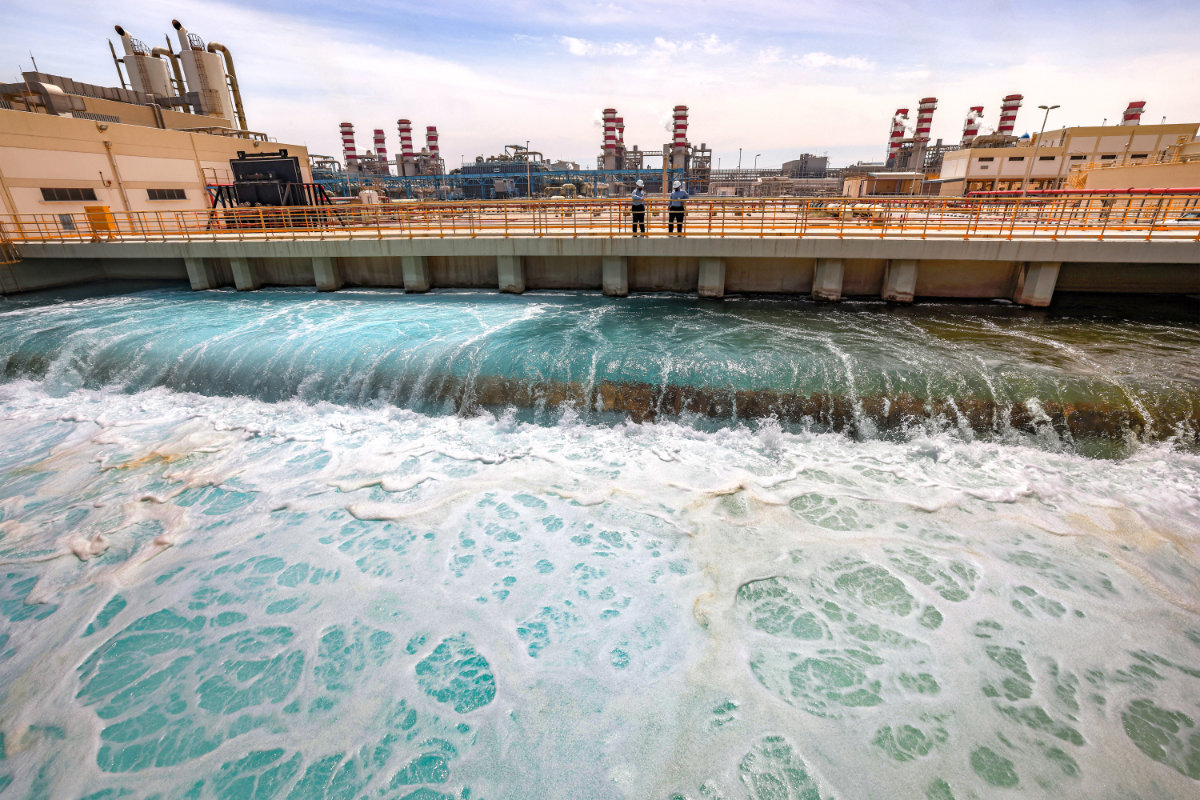
Saudi Arabia leads the world in desalination, with up to 90 percent of its water sourced through this process. While desalination solves scarcity, it raises other challenges: high energy demand and harmful saline waste discharge into the Arabian Gulf. Studies suggest a 50-fold increase in desalination by 2050 could raise local sea temperatures, endangering marine life. However, Saudi policymakers argue strong environmental regulations, coupled with renewable energy integration, help mitigate risks. The upcoming 1.5 GW Datacom data center in NEOM is an example, aiming to run fully on renewables.
Global Tech Players in the Gulf
Global giants are also shaping the future of Gulf Data Centers. Google plans to launch a hub in Dammam, considering seawater cooling as part of its environmental strategy. OpenAI’s 1 GW Stargate project in Abu Dhabi emphasizes sustainability, with CEO Sam Altman predicting automation will reduce both the cost and environmental footprint of intelligence.
Balancing AI Growth with Sustainability
Experts agree that the Gulf must embrace innovation to balance digital expansion with water and energy security. Renewable energy integration, efficient cooling technologies, and stricter regulations can help align AI growth with sustainability goals. As Schneider Electric’s Walid Sheta noted, “The technologies to reduce water use in data centers are not futuristic. They’re here, they’re proven, and they’re ready to scale. What’s holding us back is not innovation, but adoption.”
Conclusion
The Gulf’s ambition to lead in AI and cloud infrastructure brings both opportunity and risk. Gulf Data Centers must address water scarcity by embracing liquid cooling, desalination innovation, and renewable integration. The region has the resources—capital, land, and renewable energy potential—to turn this challenge into a showcase of sustainable digital transformation.