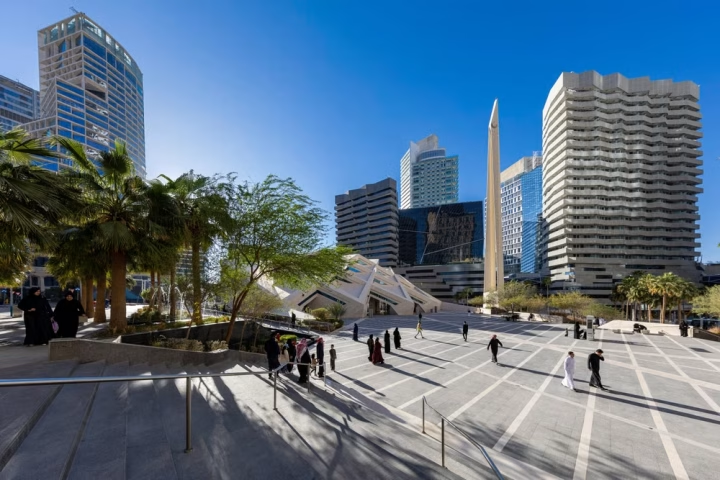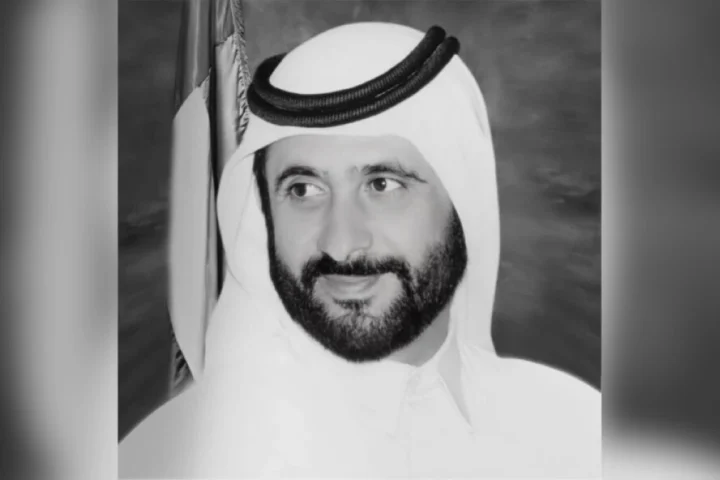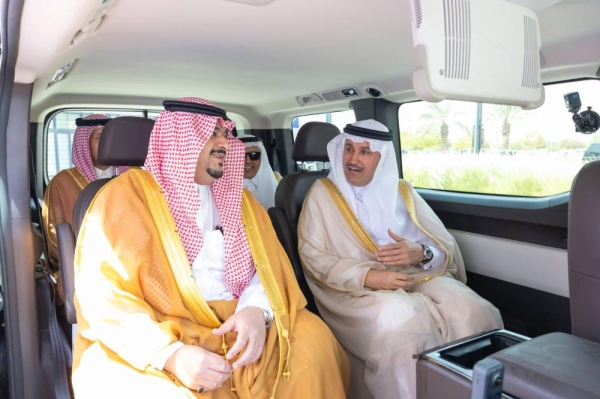
Riyadh Deputy Emir Prince Mohammed bin Abdulrahman made history on Friday by riding a self-driving vehicle from Roshn Front to King Khalid International Airport. He was joined by Minister of Transport and Logistics Services Saleh Al-Jasser. The demonstration marked the first phase of autonomous vehicle deployment in Riyadh.
At the airport, the Deputy Emir inspected the operations control center. Al-Jasser explained how it enables real-time decisions to improve passenger flow and enhance traveler experiences. Advanced operating systems and artificial intelligence now play a central role in daily management.
Reviewing Airport Expansion Projects
Prince Mohammed toured development works at International Terminal 2 and reviewed expansion projects at Terminal 1. He examined the full passenger journey, from departure to arrival, highlighting services designed to improve convenience.
Senior officials welcomed him on arrival. They included Abdulaziz Al-Duailej, President of the General Authority of Civil Aviation; Dr. Ghazi Al-Rawi, Chairman of Riyadh Airports Company; Raed Al-Idrisi, CEO of Matarat Holding; and Ayman Abu Abah, CEO of Riyadh Airports Company. Their presence underscored the importance of the visit.
Expanding Capacity and Growth
Al-Jasser noted that upgrading Terminals 1 and 2 will add capacity for 14 million passengers each year. When combined with other projects, King Khalid International Airport’s capacity will rise to about 56 million passengers annually.
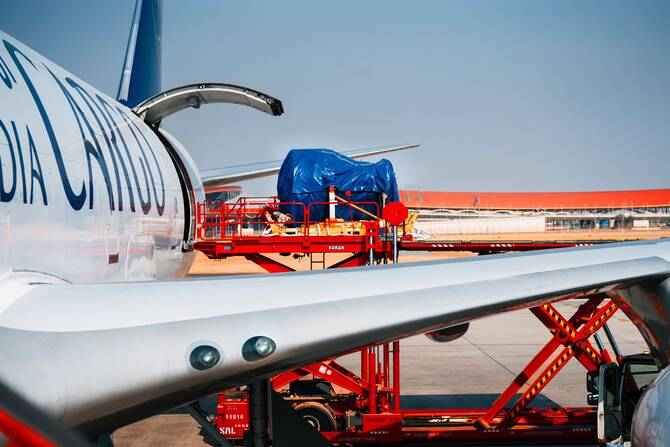
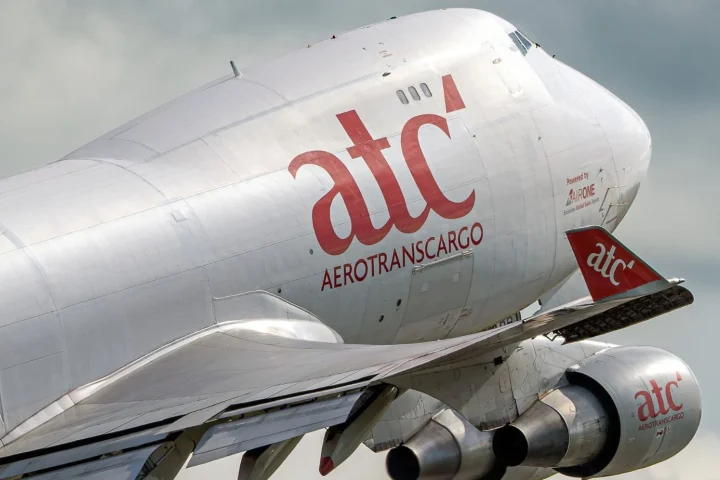
Furthermore, the minister emphasized that the airport will reinforce Riyadh’s position as a global logistics hub. It will expand cargo and logistics operations and strengthen the city’s role as an international center for travel, trade, and tourism.
Toward King Salman International Airport
The expansion also prepares the way for the King Salman International Airport project. Expected to be the largest in the world by 2030, it will begin with a capacity of more than 100 million passengers annually. By 2050, it is projected to handle 185 million passengers.
“These projects are essential to our national aviation strategy,” Al-Jasser explained. “They support the Kingdom’s unprecedented growth and align with long-term development goals.”
Conclusion
By riding in a self-driving car and reviewing airport upgrades, the Riyadh Deputy Emir showcased Saudi Arabia’s commitment to innovation and expansion. With advanced technology, expanded capacity, and strategic planning, Riyadh is positioning itself as a world-class hub for aviation, logistics, and tourism.