Riyadh Drone Attacks were thwarted after Saudi Arabia’s Defence Ministry confirmed that four drones were intercepted and destroyed over the capital’s metropolitan area. The incident adds to mounting security pressure as the broader conflict involving Iran, Israel, and the United States intensifies.
Although no major infrastructure damage was reported in the latest wave, the repeated targeting of urban zones underscores how Gulf capitals have moved closer to the front line of an expanding confrontation.
Riyadh Drone Attacks Test Saudi Defenses
Saudi officials said air defense systems engaged and neutralized the drones before impact. Authorities did not publicly attribute responsibility, yet the attacks occur against the backdrop of sustained regional hostilities.
Since the start of the current conflict cycle on February 28, Saudi Arabia has faced waves of drone and missile activity. According to government data, these strikes have targeted energy facilities, US-linked installations, and urban areas.
At least two people have been killed and 12 injured during previous incidents. Even when interceptors succeed, debris from destroyed drones poses risk to civilians below.
Urban Targets Raise Stakes
Unlike earlier phases of regional tension, recent Riyadh Drone Attacks have focused near population centers. That shift alters both the political and economic calculus.
Urban targeting increases public anxiety and elevates diplomatic urgency. It also challenges Saudi Arabia’s layered air defense network, which was built primarily to counter ballistic missiles rather than swarming drones.
Energy Markets on Alert
Saudi Arabia remains one of the world’s largest oil exporters. Any threat to its infrastructure reverberates across global markets.
Historically, even limited attacks on Saudi facilities have triggered oil price spikes. African economies that rely heavily on fuel imports remain especially sensitive to Gulf instability.
Therefore, each new drone incident carries weight far beyond the immediate tactical event.
Strategic Balancing Under Pressure
Riyadh has sought to manage its regional posture carefully. In recent years, Saudi leaders reopened diplomatic channels with Tehran in an effort to reduce tensions.
However, repeated aerial threats strain that balancing strategy. Continued Riyadh Drone Attacks could push the Kingdom toward firmer alignment with US security operations.
At the same time, Gulf Cooperation Council states face shared vulnerability. Airspace coordination and joint missile defense integration have become increasingly urgent priorities.
Military Evolution of Drone Warfare
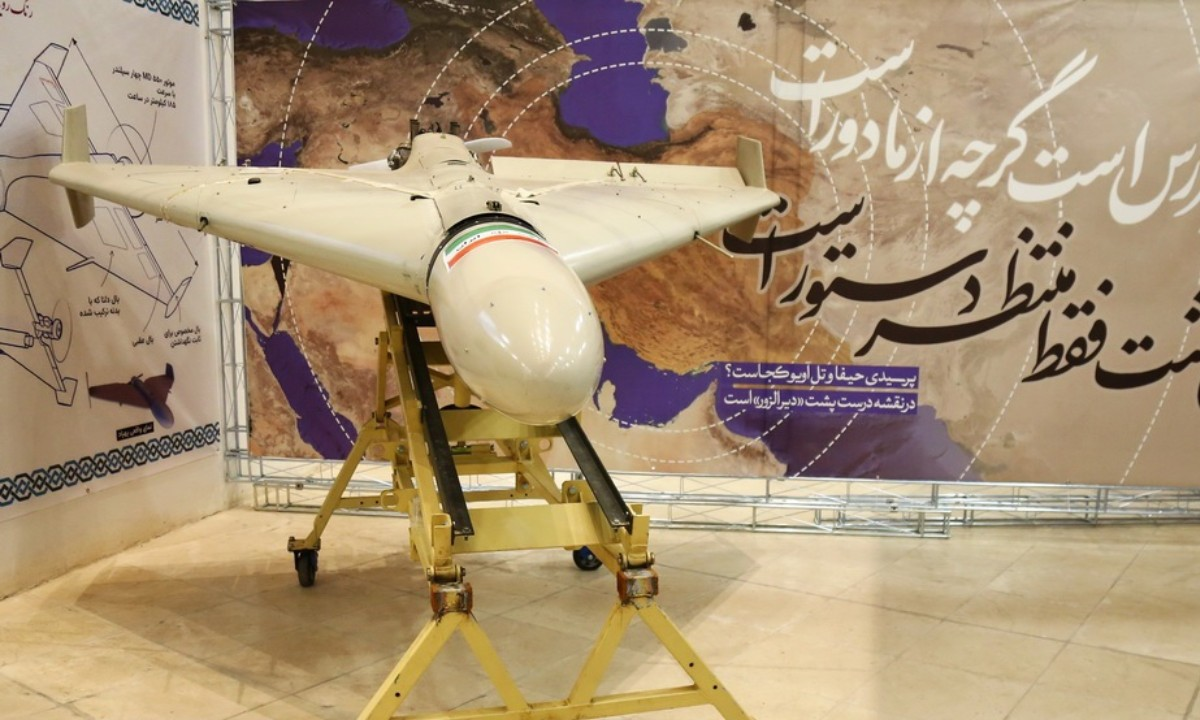
The growing frequency of drone use highlights a broader shift in modern conflict. Low-cost unmanned systems now challenge expensive air defense infrastructure.
While Saudi systems intercepted the latest drones, sustained attacks could test supply chains for interceptor missiles and radar systems.
Moreover, defense spending may increase as Gulf states upgrade detection capabilities against smaller, harder-to-detect threats.
Why This Matters
Riyadh Drone Attacks reflect the widening footprint of a regional conflict that increasingly affects civilian areas. Successful interceptions reduce immediate damage, yet they do not eliminate strategic risk.
Energy security, investor confidence, and regional diplomacy now hinge on whether escalation continues or stabilizes.
What Happens Next
Saudi authorities are expected to maintain heightened alert levels across key cities and infrastructure hubs. Diplomatic backchannels may intensify even as military readiness expands.
If further waves occur, retaliation or broader defensive coordination could follow. For now, Riyadh remains on alert as the Gulf navigates one of its most volatile periods in years.