How Trump’s New Initiative Could Reshape Peace Efforts in Gaza and Beyond
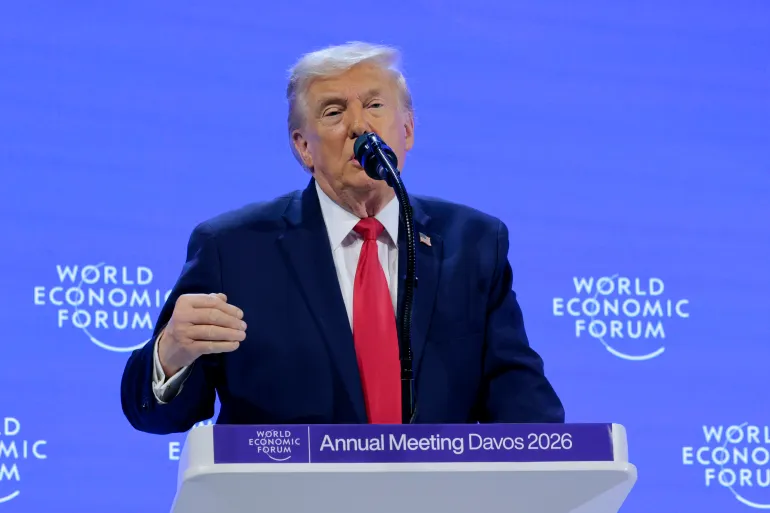
In a bold diplomatic move, President Donald Trump launched the “Board of Peace” during a high-profile speech at the World Economic Forum in Davos, Switzerland. This new initiative, aimed at creating a long-lasting peace agreement for Gaza, has quickly captured global attention. According to Trump, the board will work closely with the United Nations (UN) and could extend its reach to other international conflicts. In his statement, Trump emphasized that the effort was not just about U.S. interests but was designed as a global initiative.
The launch of the Board of Peace marks a significant shift in U.S. foreign policy. With 59 world leaders signing on to the initiative, Trump’s vision for peace in Gaza is being viewed as a pivotal moment in Middle Eastern diplomacy. While the inclusion of prominent global leaders has been welcomed by many, some countries have expressed hesitation about joining, especially Russia and the UK. Their concerns reflect the complex dynamics surrounding the board’s potential role in global peacekeeping efforts.
Trump’s remarks about the board’s ability to function independently, without relying on traditional U.N. mechanisms, have sparked debate. While some see this as a bold step forward, others fear it could undermine the U.N.’s authority in resolving global conflicts. This article examines the potential implications of Trump’s Board of Peace and its ability to reshape the geopolitical landscape, particularly in the Middle East.
The Role of the Board of Peace in Middle Eastern Diplomacy
Trump’s Board of Peace initiative has been framed as a solution to the longstanding conflict in Gaza. The idea is to unite world leaders behind a common goal of achieving a sustainable peace agreement. While Trump has expressed confidence in the board’s potential, there is skepticism surrounding its true impact on Gaza’s future. The Middle East has seen numerous peace efforts falter over the years, with key issues like territorial disputes and the role of militant groups like Hamas remaining unresolved. Trump’s approach, which suggests a departure from traditional diplomacy, could offer new pathways for peace or exacerbate existing tensions.
One of the most significant elements of the Board of Peace is its proposed collaboration with the U.N. Trump’s statement that the board would work alongside the U.N. gives the impression that the initiative could function as an extension of traditional peacebuilding efforts. However, Trump has also indicated that the board could potentially replace the U.N. as the central venue for resolving conflicts, raising concerns about the future role of the U.N. in global diplomacy.
International Reactions and Concerns
While the Board of Peace has garnered support from many world leaders, it has also faced significant pushback. Notably absent from the board’s founding members is Russian President Vladimir Putin, who has indicated that Russia may eventually join but only after further discussions with its “strategic partners.” The absence of Russia, a key player in Middle Eastern geopolitics, is a clear sign of the challenges that lie ahead for the board in terms of achieving broad international cooperation.
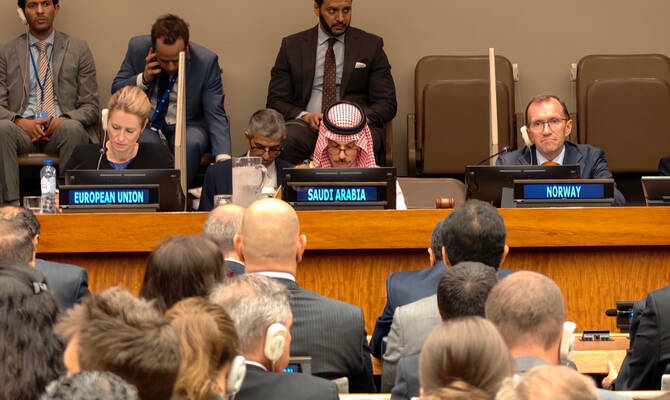
The United Kingdom’s hesitation to join the initiative also reflects broader concerns about the board’s potential to sideline the U.N. “We do have concerns about President Putin being part of something which is talking about peace, when we have still not seen any signs from Putin that there will be a commitment to peace in Ukraine,” U.K. Foreign Secretary Yvette Cooper said. Additionally, France, Norway, and Sweden have all expressed reservations, with many fearing that the Board of Peace could undermine existing international frameworks for conflict resolution, particularly the U.N.’s peacekeeping role.
The Future of Global Peacekeeping
The creation of the Board of Peace signals a shift in how international peace efforts may be organized in the future. While some view the initiative as a promising new model for resolving conflicts, others worry that it could lead to fragmentation within the international community. The success of the board will largely depend on how well it can balance the interests of various global powers, particularly those that have traditionally played central roles in peace negotiations, like Russia and the U.K.
Trump’s vision for a world without the need for traditional U.N. interventions is ambitious. However, it is clear that such a shift would require the cooperation of key international players, many of whom remain skeptical about the board’s potential to achieve lasting peace in Gaza or elsewhere. For now, the Board of Peace remains a work in progress, with much of its future shaped by the geopolitical forces that continue to shape the world.