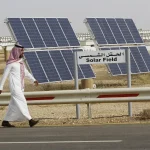
GCC GDP Rises 3% on Non-oil Growth
The Gulf Cooperation Council recorded a 3 percent GDP increase in the first quarter of 2025, mainly driven by non-oil growth. According to the GCC Statistical Center, GDP climbed to $588.1 billion from $570.9 billion a year earlier. The improvement highlights the region’s diversification success and resilience against shifting global market conditions.
Moreover, this rise signals how the Gulf economies continue to expand beyond hydrocarbons. Policy reforms, investment, and fiscal discipline have supported steady regional progress despite global uncertainty.
Non-oil Sectors Strengthen Regional Stability
The GCC-Stat report showed that non-oil activities made up 73.2 percent of total GDP. That is a 2.6-point increase from the 70.6 percent recorded at the end of 2024. The numbers reveal that economic diversification is no longer a goal but an active achievement.
Additionally, GDP at current prices grew by 0.1 percent early in 2025, reaching $587.8 billion by the fourth quarter. The data confirms that non-oil growth continues to support stable and balanced development across the member states.
IMF Sees Positive GCC Outlook
The International Monetary Fund projected continued expansion in the Gulf. Its June 2025 forecast estimated 3.2 percent growth this year and 4.5 percent in 2026. These figures underline confidence in private-sector performance and government-led economic transformation.
Furthermore, the IMF emphasized that new investments and job creation will help sustain momentum, making the GCC one of the world’s most dynamic regional blocs.
Saudi Arabia Leads in Non-oil Growth
Saudi Arabia remains a key driver of GCC economic performance. The Ministry of Finance projected 4.4 percent growth in 2025 and 4.6 percent in 2026, fueled by a 5.0 percent rise in non-oil activity. Domestic demand, rising employment, and strong private investment continue to push the Kingdom forward.
In addition, these projections exceed the IMF’s global growth estimate of 3.1 percent. The figures also outperform forecasts for the US, China, Japan, and the euro area, underscoring Saudi Arabia’s growing competitiveness.
Read Also
- Lokah Early Reactions
- Berlin Urges Urgent Action on Trump’s Gaza Peace Plan
- Arab News Lifestyle Report
UAE Expands Its Non-oil Economy
The UAE achieved 3.9 percent GDP growth in the first quarter of 2025, according to the Federal Competitiveness and Statistics Center. Non-oil sectors remained central to this performance, reflecting a strong commitment to diversification.
Trade contributed 15.6 percent of GDP, while finance and insurance added 14.6 percent. Manufacturing accounted for 13.4 percent, construction 12 percent, and real estate 7.4 percent. These sectors show how innovation and investment are driving sustained non-oil growth.
Qatar, Oman, and Kuwait Maintain Steady Gains
Other Gulf economies also recorded consistent progress. Qatar’s industrial expansion and Oman’s tourism push both contributed to their non-oil sector growth. Meanwhile, Kuwait’s infrastructure projects and financial reforms continued to attract regional investors. Collectively, these developments enhance overall GCC stability.
Regional Cooperation Builds Long-term Confidence
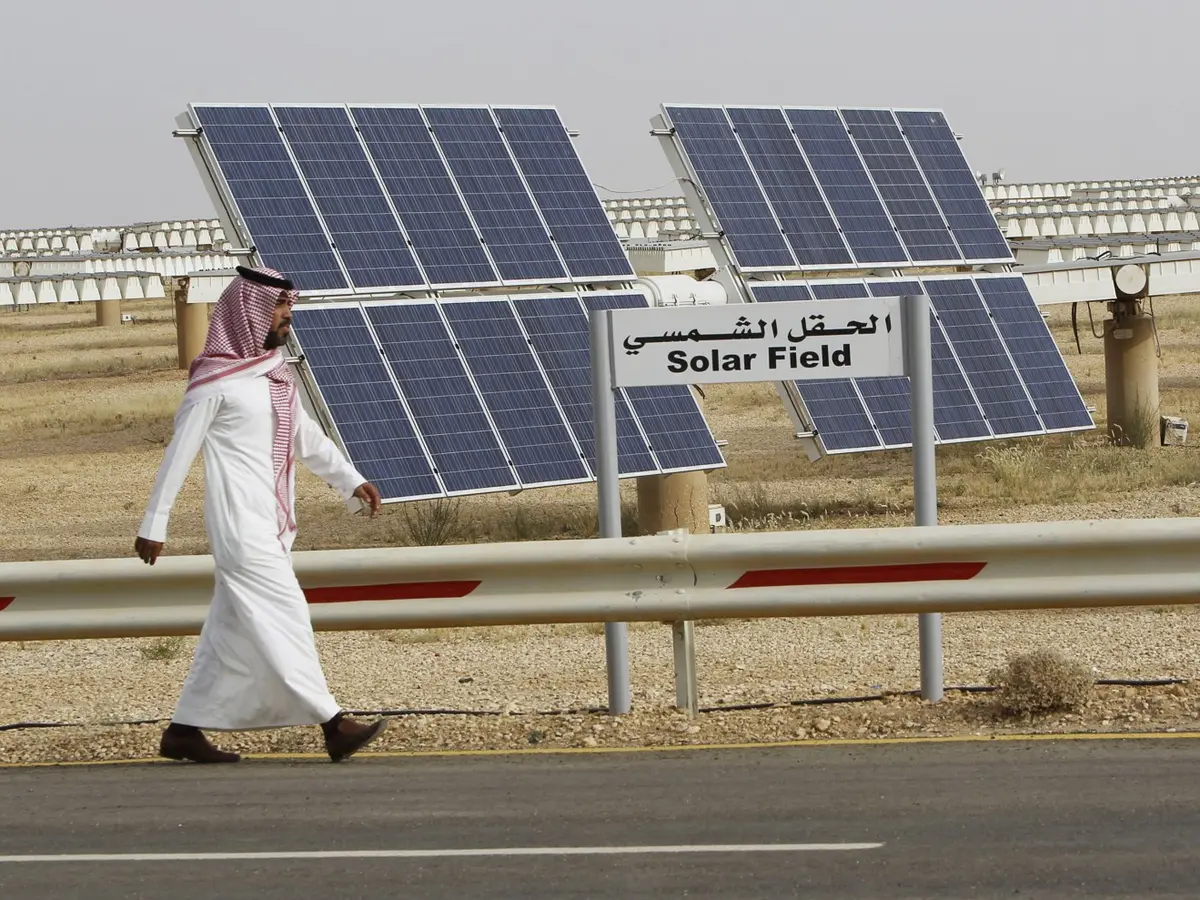
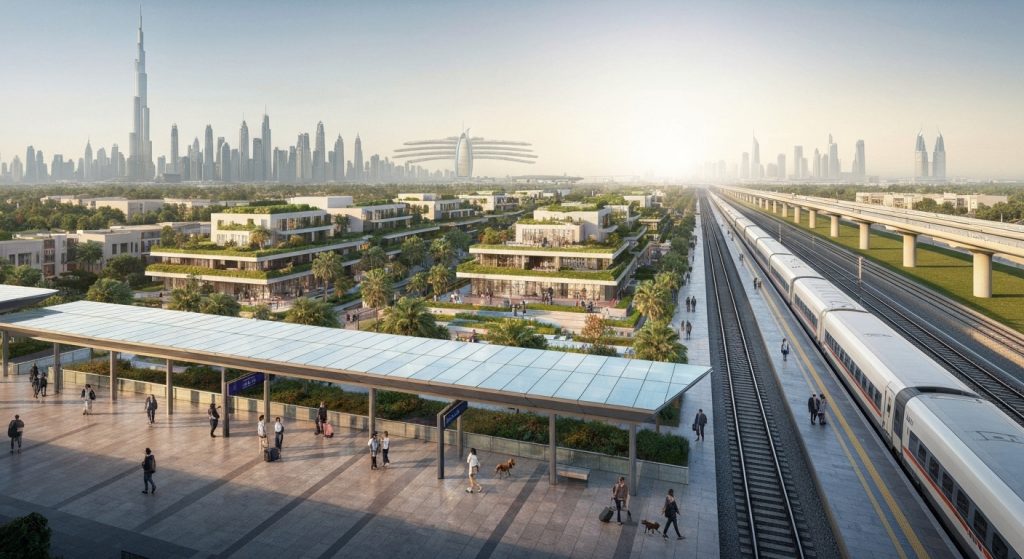
Across the Gulf, non-oil growth has become the cornerstone of strategy. Governments are increasing investment in renewable energy, logistics, and digital infrastructure to create a sustainable future.
Consequently, investor confidence and employment levels continue to rise. The Gulf’s coordinated diversification drive is no longer a short-term policy—it has become a long-term vision shaping the region’s economic destiny.
Ultimately, the focus on non-oil growth is transforming the GCC into a global model of resilience, innovation, and balanced development.