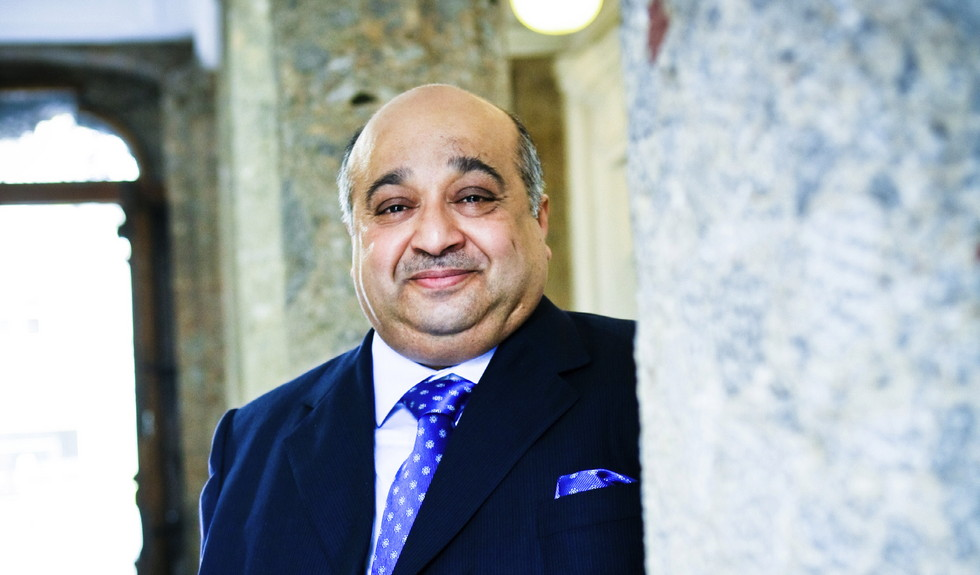
Sulaiman Al Rajhi is one of the most important names in Saudi banking, Islamic finance and family business history. As a co-founder of Al Rajhi Bank, he helped build a financial institution that became central to Saudi Arabia’s modern banking system and one of the world’s largest Islamic banks.
His wealth story is rooted in a simple but powerful business idea: helping workers move money safely across borders. From that foundation, the Al Rajhi family built a banking empire that expanded into remittances, Islamic finance, investments, agriculture, steel, gypsum and other industrial sectors.
Older billionaire ranking data listed Sulaiman Al Rajhi & family with a net worth of $5.9 billion, down from $7.7 billion in 2011. Later public estimates varied after his major charitable commitments, including his widely reported decision to give away much of his fortune.
Who Is Sulaiman Abdulaziz Al Rajhi?
Sulaiman Abdulaziz Al Rajhi is a Saudi businessman, philanthropist and co-founder of Al Rajhi Bank. He is one of the best-known non-royal Saudi business figures and a major name in Islamic banking.
| Profile Item | Details |
|---|---|
| Full Name | Sulaiman Abdulaziz Al Rajhi |
| Known As | Sulaiman Al Rajhi |
| Born | 1929 |
| Country | Saudi Arabia |
| Main Company | Al Rajhi Bank |
| Main Source of Wealth | Banking |
| Older Net Worth Data | $5.9 billion |
| 2011 Net Worth Data | $7.7 billion |
| Known For | Co-founding Al Rajhi Bank and major philanthropy |
| Industry | Islamic banking and finance |
Al Rajhi’s business reputation is built on discipline, family enterprise, Islamic finance and philanthropy. His story is often presented as one of Saudi Arabia’s most striking examples of wealth built from humble beginnings.
Early Life and Family Background
Sulaiman Al Rajhi was born in Al Bukairiyah in Saudi Arabia’s Al Qassim province. He grew up in the Najd region at a time when Saudi Arabia was still changing from a largely traditional economy into the oil-powered state it would become.
His early life was modest. He and his brother Saleh began with small commercial activities, including helping pilgrims travel by camel caravan to the holy cities of Mecca and Medina.
That early exposure to movement, trust and money transfer would later become central to the family business. The Al Rajhi brothers understood the financial needs of people moving across regions, especially workers and pilgrims who needed reliable ways to transfer money.
Education and Early Career
Sulaiman Al Rajhi’s formal education was limited, with public records noting only elementary-level schooling. His real education came through commerce.
He learned business through direct work, discipline and family enterprise. In that sense, his career reflects an older model of entrepreneurship in the Gulf: practical trading experience, personal reputation and trust-based finance.
This background helped shape Al Rajhi Bank’s later identity. The institution grew out of money-changing, remittances and customer trust before becoming a formal banking giant.
How Sulaiman Al Rajhi Built His Fortune
Sulaiman Al Rajhi built his fortune through banking, especially remittances and Islamic finance.
During Saudi Arabia’s oil boom in the 1970s, the kingdom attracted large numbers of migrant workers from countries such as India, Pakistan and other parts of Asia and the Arab world. These workers needed to send earnings back home. The Al Rajhi brothers helped serve that demand.
The business grew because it solved a real problem. Migrant workers needed reliable money-transfer services. Businesses needed banking support. Saudi Arabia needed stronger financial institutions as its economy expanded.
In 1983, the Al Rajhi brothers received permission to open Saudi Arabia’s first Islamic bank, built around financial principles that avoided interest-based lending. That marked a turning point for the family and for Islamic finance in the kingdom.
Main Source of Wealth
Sulaiman Al Rajhi’s main source of wealth is banking.
| Wealth Source | Company or Asset | Industry | Role in Fortune |
| Banking | Al Rajhi Bank | Islamic banking | Core wealth source |
| Remittances | Early Al Rajhi money-transfer business | Financial services | Foundation of the family business |
| Family investments | Al Rajhi family holdings | Diversified | Wealth diversification |
| Agriculture | Family-linked investments | Agriculture | Long-term asset base |
| Steel and gypsum | Industrial investments | Manufacturing | Diversification beyond banking |
| Philanthropic endowments | Charitable structures | Nonprofit | Wealth transfer and social impact |
Al Rajhi’s wealth is closely tied to the rise of Al Rajhi Bank and the wider Al Rajhi family business network.
Business Empire and Major Companies
The Al Rajhi family business empire is best known for Al Rajhi Bank, but the family has also diversified into other sectors.
| Company or Asset | Industry | Country or Region | Role in Business Empire |
| Al Rajhi Bank | Islamic banking | Saudi Arabia and international markets | Main financial institution |
| Al Rajhi Capital | Financial services | Saudi Arabia | Investment and capital markets arm |
| Al Rajhi Holding Group | Diversified investment | Saudi Arabia | Family-linked business platform |
| Agriculture holdings | Agriculture | Saudi Arabia | Diversification |
| Steel and gypsum interests | Industry | Saudi Arabia | Industrial exposure |
| Sulaiman Al Rajhi University | Education | Saudi Arabia | Philanthropic legacy |
Al Rajhi Bank remains the central institution in the family’s public business legacy. It is one of Saudi Arabia’s largest listed banks and one of the most prominent Islamic banks globally.
Net Worth and Wealth Ranking
Older ranking data placed Sulaiman Al Rajhi & family at $5.9 billion, with a world ranking of 169. His 2011 net worth was listed at $7.7 billion.
However, Al Rajhi’s personal wealth became harder to compare with other billionaires after his major charitable giving. In 2011, he announced plans to donate most of his fortune to charity, and his public wealth estimates later declined.
Net worth estimates for banking families can vary because wealth may be held through listed shares, private family companies, endowments, trusts, charities and diversified holdings. In Al Rajhi’s case, philanthropy is not a side note. It is central to understanding the fortune.
Investment Strategy
Sulaiman Al Rajhi’s investment strategy was built on trust, religious principles and long-term ownership.
Build Around Real Customer Needs
The family’s early remittance business grew because it served migrant workers who needed dependable financial services.
Scale Through Islamic Finance
Al Rajhi Bank became powerful by aligning modern banking with Islamic financial principles.
Keep Family Control
The Al Rajhi family maintained strong influence over the bank and related businesses, allowing long-term strategy to guide growth.
Diversify Beyond Banking
The family expanded into agriculture, steel, gypsum and other sectors, reducing dependence on banking alone.
Major Business Milestones
Early Money-Changing Business
The Al Rajhi brothers began with practical financial services before formal banking became the family’s main business.
Saudi Oil Boom Expansion
The 1970s oil boom created strong demand for remittances and banking services as millions of workers came to Saudi Arabia.
Founding of Al Rajhi Bank
The creation of Al Rajhi Bank in 1983 was the defining milestone. It turned a family financial business into a major Islamic banking institution.
Growth Into a Banking Giant
Al Rajhi Bank became one of Saudi Arabia’s most profitable and respected banks, serving millions of customers.
Major Charitable Giving
Sulaiman Al Rajhi’s decision to donate much of his fortune became one of the largest philanthropic commitments by a Saudi businessman.
How Sulaiman Al Rajhi Fits Into the Arab Business Landscape
Sulaiman Al Rajhi represents a different kind of Arab billionaire: the self-made Islamic banking founder.
His fortune did not come from oil ownership, royal inheritance or technology speculation. It came from financial services, remittances, trust and religiously compliant banking.
His career also reflects the rise of Saudi Arabia’s non-royal business class. The Al Rajhi family became one of the kingdom’s wealthiest non-royal families and one of its most influential financial dynasties.
Philanthropy, Public Image and Influence
Philanthropy is central to Sulaiman Al Rajhi’s public image.
He received the 2012 King Faisal International Prize for dedicating half his fortune to charity, supporting charitable work, helping establish Islamic banking and funding national development projects.
He also founded Sulaiman Al Rajhi University in his hometown. The university focuses on health sciences, Islamic banking and other fields.
His philanthropy strengthened his reputation as a businessman who saw wealth as a responsibility, not only a private asset.
Succession and Family Business Future
Sulaiman Al Rajhi has a large family, with public sources noting at least 23 children.
The Al Rajhi business legacy continues through family members active in banking, investment and holding companies. Abdullah bin Sulaiman Al Rajhi, his son, has become one of the most visible figures connected to the bank and wider family businesses.
The future of the Al Rajhi fortune depends on professional governance, family coordination, listed-company performance and the continued strength of Islamic banking in Saudi Arabia.
Strategic Insights From Sulaiman Al Rajhi’s Career
Trust Can Become a Financial Empire
The Al Rajhi story began with trust-based financial services and grew into one of the world’s largest Islamic banks.
Serve a Real Market Need
Remittances for migrant workers created a practical business opportunity that scaled with Saudi Arabia’s economy.
Principles Can Be a Business Model
Islamic banking was not only a religious framework. It became a powerful commercial model.
Philanthropy Can Reshape a Fortune
Al Rajhi’s giving changed how his wealth was measured and remembered.
Family Businesses Need Governance
The Al Rajhi legacy shows how family enterprises can become national institutions when governance and scale are managed carefully.
Key Takeaways
- Sulaiman Al Rajhi is a Saudi businessman and co-founder of Al Rajhi Bank.
- His main source of wealth is banking.
- Older ranking data listed Sulaiman Al Rajhi & family at $5.9 billion.
- His 2011 net worth was listed at $7.7 billion.
- He helped build Saudi Arabia’s first major Islamic bank.
- The family business grew from remittances and money-changing.
- Al Rajhi Bank became one of the world’s largest Islamic banks.
- The Al Rajhi family diversified into agriculture, steel, gypsum and other sectors.
- Sulaiman Al Rajhi is also known for major philanthropy.
- He founded Sulaiman Al Rajhi University.
- His legacy combines banking, faith-based finance, family enterprise and charity.
Frequently Asked Questions
Who is Sulaiman Al Rajhi?
Sulaiman Al Rajhi is a Saudi businessman, philanthropist and co-founder of Al Rajhi Bank.
What is Sulaiman Al Rajhi’s net worth?
Older ranking data placed Sulaiman Al Rajhi & family at $5.9 billion. His 2011 wealth was listed at $7.7 billion.
How did Sulaiman Al Rajhi become wealthy?
He became wealthy through banking, remittances and the growth of Al Rajhi Bank.
What is Al Rajhi Bank?
Al Rajhi Bank is one of Saudi Arabia’s largest banks and one of the world’s most important Islamic financial institutions.
What is Sulaiman Al Rajhi’s main source of wealth?
His main source of wealth is banking.
Is Sulaiman Al Rajhi self-made?
Yes. He is widely described as a self-made businessman who rose from modest beginnings.
What is Sulaiman Al Rajhi known for?
He is known for co-founding Al Rajhi Bank, helping develop Islamic banking and donating much of his fortune to charity.
Where was Sulaiman Al Rajhi born?
He was born in Al Bukairiyah in Saudi Arabia’s Al Qassim province.
Did Sulaiman Al Rajhi donate his fortune?
He announced in 2011 that he was donating most of his fortune to charity.
What is Sulaiman Al Rajhi University?
Sulaiman Al Rajhi University is a nonprofit university founded by Al Rajhi, with a focus on health sciences and Islamic banking.
Conclusion
Sulaiman Al Rajhi built one of Saudi Arabia’s most important banking fortunes from modest beginnings, family enterprise and a deep understanding of financial trust. Through Al Rajhi Bank, he helped turn Islamic banking into a major commercial force and created a legacy that continues through one of the kingdom’s most influential financial families.
The story of Sulaiman Al Rajhi is not only about wealth. It is about remittances, faith-based finance, family business, philanthropy and the rise of Saudi Arabia’s modern banking system. His fortune may have changed after major charitable giving, but his influence on Islamic banking and Saudi business remains substantial.
Disclaimer: This article is for informational and educational purposes only. Net worth figures, ownership estimates, rankings, and asset values may change over time and may be based on public estimates, market prices, private-company valuations, and available disclosures. This article is not investment advice, financial advice, or a recommendation to buy or sell any security.
Read Also: Mohamed Al Jaber: Inside the Fortune of a Saudi Hotel Billionaire