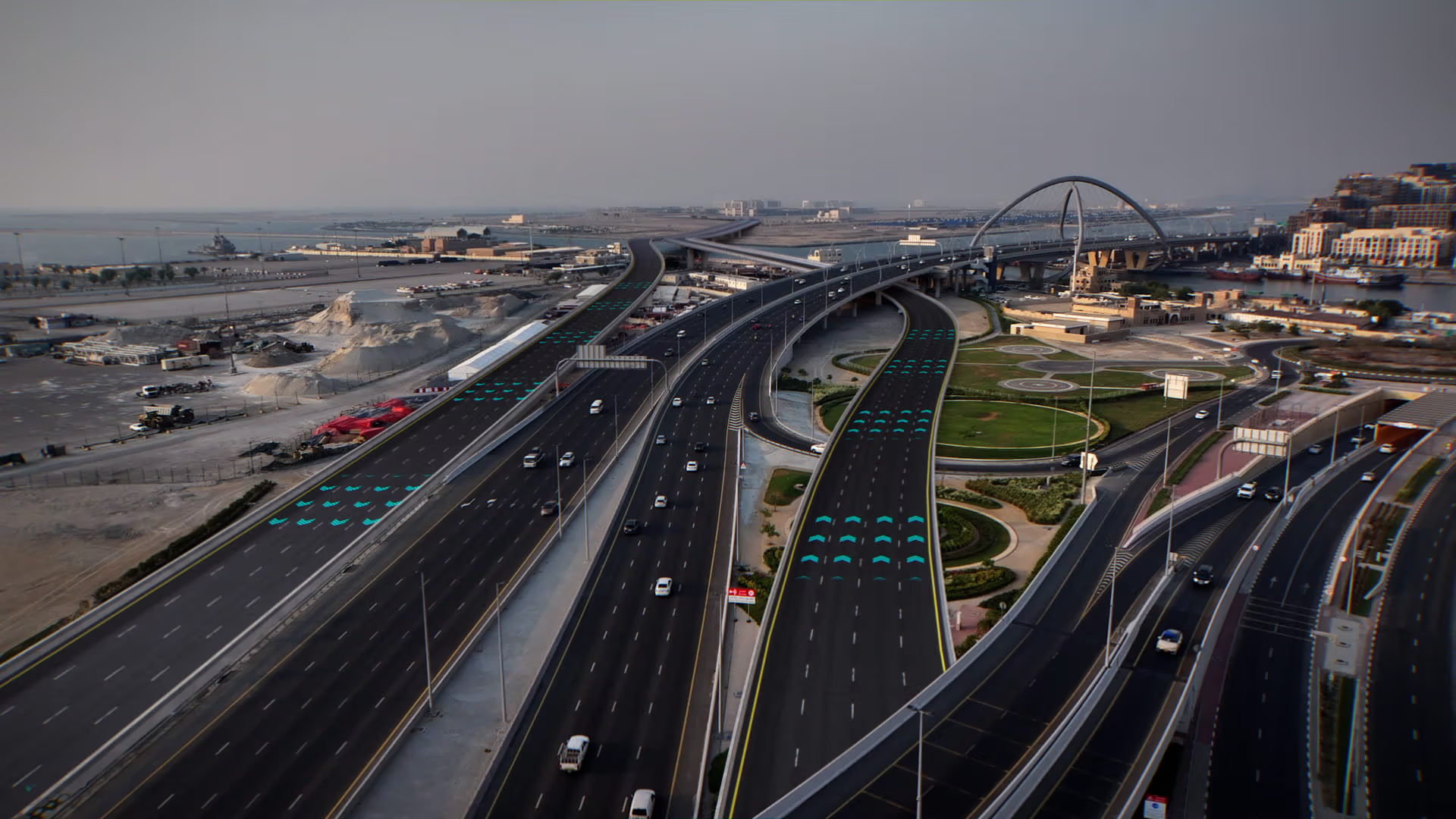
Dubai RTA bridges projects are reshaping the city’s transport landscape, with a bold plan to build 23 new pedestrian and cyclist bridges by the end of 2030. The announcement comes as the Roads and Transport Authority (RTA) opened two new bridges on Sheikh Rashid Street and Al Mina Street, part of the wider Al Shindagha Corridor Improvement Project.
RTA has already completed six pedestrian and cyclist bridges across Dubai, with five more set to open before year-end and one scheduled for early 2027. These efforts align with Dubai’s Traffic Safety Strategy, which aims for zero fatalities on the city’s roads.
Since 2006, the number of pedestrian bridges and underpasses has grown from 26 to 177, an increase of 581 percent. This expansion helped reduce pedestrian fatalities by 97 percent, from 9.5 deaths per 100,000 people in 2007 to just 0.3 in 2024. RTA Director General Mattar Al Tayer noted that these bridges not only save lives but also support Dubai’s vision of becoming a pedestrian and cyclist-friendly city.
The new bridges integrate advanced safety systems, including fire alarms, firefighting equipment, lifts, and remote monitoring. Several designs also feature dedicated tracks for cyclists and e-scooter riders, ensuring safer, more sustainable travel for first and last-mile journeys.
Highlights include two landmark bridges: a 528-metre bridge over Sheikh Zayed Road inspired by interwoven lines, and a 501-metre bridge over Al Khail Road, designed to resemble sun rays. Additional crossings link key communities such as Muhaisnah, Al Twar, Liwan, and Dubai Silicon Oasis, improving connectivity for both residents and visitors.
By 2030, the expanded Dubai RTA bridges network will not only enhance urban mobility but also reinforce Dubai’s commitment to safe, sustainable, and world-class infrastructure.