MADINAH, SAUDI ARABIA — Saudi Arabia has launched a series of ambitious development projects in Madinah, valued at $121 million, as part of its broader Vision 2030 initiative. These projects aim to enhance infrastructure, promote tourism, support local businesses, and create job opportunities, furthering the kingdom’s goal of diversifying its economy and reducing dependence on oil revenues.
The new initiatives underscore the government’s commitment to transforming Madinah into a world-class destination for religious tourism, modern living, and business development while improving quality of life for residents.
Context: Vision 2030 and Regional Development
Launched in 2016, Vision 2030 outlines Saudi Arabia’s plan to transform its economy by focusing on diversification, sustainability, and investment in human capital. Religious tourism, heritage preservation, and urban development are key pillars of this strategy, particularly in holy cities like Madinah and Mecca.
Madinah, the second holiest city in Islam, attracts millions of pilgrims each year. Enhancing the city’s infrastructure and services is central to Saudi Arabia’s ambition to position itself as a global tourism and investment hub.
Government officials highlighted that the $121 million in projects represents a significant step in modernizing urban facilities, creating employment opportunities, and ensuring sustainable growth that benefits both residents and visitors.
Key Projects and Initiatives
The Madinah development projects encompass several sectors, including infrastructure, tourism, transportation, and cultural preservation. Officials expect these initiatives to have a transformative effect on the city’s economy and overall livability.
1. Infrastructure Upgrades
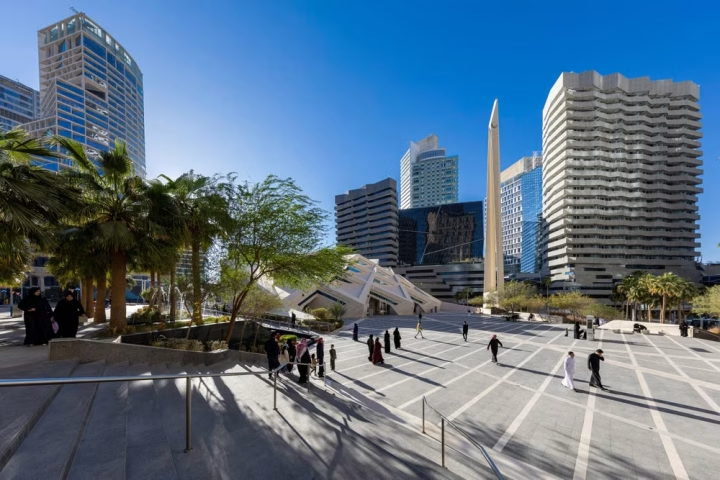
A large portion of the investment will go into improving roads, utilities, and public services. Projects include the expansion of key roadways to reduce congestion during peak pilgrimage seasons, upgrades to water and sewage systems, and modernization of public lighting. These measures aim to enhance daily life for residents while accommodating the influx of visitors.
2. Tourism and Hospitality Development
Saudi authorities are funding new hotels, resorts, and recreational facilities to cater to both religious and leisure tourists. The projects will focus on providing high-quality accommodations, visitor centers, and cultural attractions that reflect Madinah’s heritage. Authorities believe these initiatives will encourage longer stays, boost spending, and diversify tourism offerings beyond religious sites.
3. Transportation Enhancements
To streamline travel in and around Madinah, the projects include improvements to the city’s public transport system, including bus routes and modernized terminals. Plans also call for expanding parking facilities and enhancing connectivity between the city’s religious sites, commercial centers, and residential neighborhoods.
4. Cultural and Religious Preservation
Madinah’s historical and religious landmarks are receiving careful attention. Restoration and preservation initiatives will protect heritage sites while integrating modern amenities for visitors. Authorities emphasize the importance of balancing development with the preservation of the city’s unique spiritual and cultural identity.
Economic and Social Impact
Officials say the $121 million investment will create numerous job opportunities for local residents, including construction, hospitality, transportation, and service-sector positions. This aligns with Vision 2030’s goal of empowering Saudi nationals and reducing unemployment through private-sector growth and public-private partnerships.
Experts also note that improving tourism infrastructure will generate long-term revenue streams. With enhanced facilities, Madinah can attract more pilgrims and leisure tourists, stimulating demand for local businesses, from retail and restaurants to travel agencies and cultural operators.
“By investing in Madinah, Saudi Arabia is not only boosting tourism but also strengthening the local economy and creating a sustainable growth model for the future,” said Dr. Hanan Al-Fayez, an economic analyst at Riyadh University.
Alignment with Vision 2030 Goals
The Madinah projects closely align with several Vision 2030 objectives:
- Economic Diversification: Expanding the tourism and service sectors reduces reliance on oil revenue.
- Job Creation: Infrastructure and hospitality projects provide employment and entrepreneurial opportunities.
- Urban Modernization: Upgrading roads, utilities, and transport systems improves quality of life for residents.
- Cultural Preservation: Restoration initiatives safeguard heritage sites while promoting educational tourism.
- Sustainable Development: Investment in modern facilities and renewable energy solutions aligns with environmental goals.
Saudi authorities view the projects as a blueprint for similar initiatives in other cities, demonstrating the kingdom’s broader commitment to sustainable, balanced urban development.
Public-Private Partnerships and Investment Opportunities
The Madinah projects will rely heavily on collaboration between government agencies and private investors. By encouraging public-private partnerships, authorities aim to attract both local and international companies specializing in construction, tourism, hospitality, and transport services.
Officials believe these collaborations will accelerate project implementation, foster innovation, and ensure high standards for services and infrastructure. Additionally, foreign investors are being offered incentives, including tax benefits and streamlined regulatory approvals, to encourage participation in Saudi Arabia’s growing tourism and urban development market.
Challenges and Considerations
While the projects promise significant benefits, experts caution that careful planning and execution are essential to avoid potential challenges:
- Balancing Pilgrimage Traffic and Daily Life: During peak religious seasons, infrastructure and transport systems may be strained. Strategic planning is crucial to manage congestion effectively.
- Maintaining Cultural Integrity: Development should respect Madinah’s spiritual significance while providing modern amenities.
- Sustainability Concerns: Urban expansion must consider environmental impacts, including water usage, waste management, and energy efficiency.
Authorities have emphasized that environmental and cultural assessments will be integrated into all stages of planning and implementation to ensure sustainable outcomes.
Regional and Global Implications
Madinah’s development is likely to have ripple effects across the region. By modernizing infrastructure and enhancing tourism capacity, Saudi Arabia strengthens its position as a leading destination for religious and cultural tourism in the Middle East.
International travel agencies, airlines, and hospitality companies may see opportunities to expand services, creating additional economic linkages and boosting regional commerce. Analysts predict that these investments could also attract global attention from investors seeking stable, high-growth opportunities in the GCC.
Government Statements
In a statement, the Ministry of Municipal and Rural Affairs said:
“Saudi Arabia is committed to transforming Madinah into a world-class city that balances tradition and modernity. The $121 million investment will improve infrastructure, enhance visitor experiences, and empower local communities while preserving the city’s unique heritage.”
Vision 2030 officials highlighted that these projects are part of a broader effort to build sustainable, thriving urban centers across the kingdom, reinforcing Saudi Arabia’s reputation as a forward-looking economy and a global tourism hub.
Conclusion
Saudi Arabia’s $121 million Madinah development projects signal a significant milestone in the country’s Vision 2030 strategy. By investing in infrastructure, tourism, transportation, and heritage preservation, the kingdom seeks to create a modern, efficient, and culturally rich urban environment.
These projects aim not only to improve the quality of life for residents but also to attract millions of visitors, generate sustainable economic growth, and create job opportunities. Public-private partnerships, careful planning, and a focus on sustainability will be key to the initiatives’ success.
As Madinah undergoes this transformation, the kingdom demonstrates its commitment to balancing modernization with cultural and spiritual preservation, setting a model for other cities in Saudi Arabia and the region.