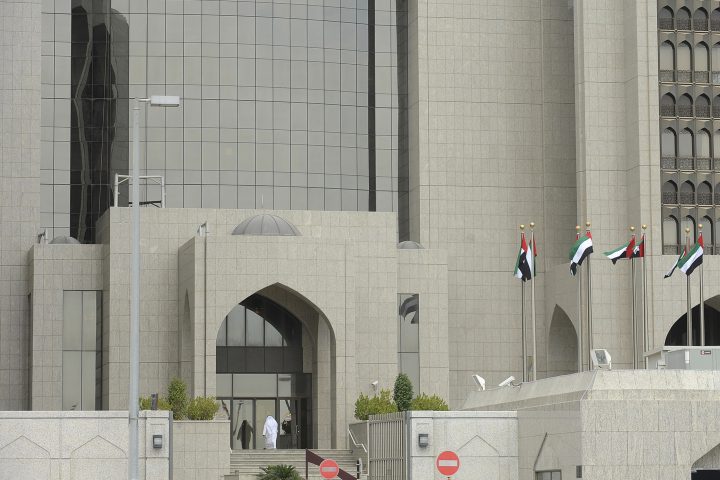
The Zulfi Chamber of Commerce and Industry is a non-profit organization that promotes commercial activities across multiple sectors in al-Zulfi Governorate, Kingdom of Saudi Arabia. It represents businesses before ministries, government authorities, and public institutions, protecting their interests while fostering economic growth. The chamber is one of the five chambers in Riyadh Province, alongside the Riyadh Chamber, al-Majma’ah Chamber, al-Kharj Chamber, and al-Quway’iyyah Chamber. It is headquartered in al-Zulfi Governorate and is a member of the Federation of Saudi Chambers.
Objectives of the Zulfi Chamber
The chamber’s vision is centered on empowering the business community in al-Zulfi Governorate to achieve sustainable development. Its main objectives include:
- Excellence in business services, enhancing capabilities to support sustainable growth.
- Leadership in development, fulfilling the aspirations of companies and institutions.
- Supporting the business environment through improved services to stakeholders.
- Promoting investment opportunities and providing specialized services that boost competitiveness in al-Zulfi Governorate.
Roles and Services
The Zulfi Chamber plays a crucial role in advancing trade, industry, and investment by offering diverse services, such as:
- Conducting feasibility studies and guiding investors on government procedures for new projects.
- Supplying commercial data to government entities and protecting national trade and industry.
- Advising merchants on import and export markets to strengthen business opportunities.
- Resolving commercial disputes through arbitration and presenting manufacturers’ and traders’ concerns to relevant authorities.
- Organizing exhibitions, conferences, markets, and training programs that stimulate trade and development.
- Facilitating industrial and commercial delegations, hosting visits, and enabling cross-sector collaboration.
- Publishing magazines and newsletters on economic development.
- Certifying and authenticating documents to prevent forgery.
- Expanding its membership base and improving financial sustainability to better serve its stakeholders.
Through these roles, the chamber positions itself as a key driver of economic and social growth in al-Zulfi.
Organizational Structure
The Zulfi Chamber operates under the Ministry of Commerce with legal personality and financial independence. Its governance includes a general assembly, a board of directors, and a general secretariat.
- The Board of Directors is appointed every four years by ministerial decision, with a maximum of eighteen members. No member may serve more than two consecutive terms.
- The board meets every sixty days and can convene emergency sessions when needed.
- Its responsibilities include approving policies, managing assets, reviewing budgets, overseeing governance frameworks, and appointing or terminating the Secretary-General.
The chamber’s board structure consists of ten members: the chairman, two vice-chairmen, and seven general members.
Committees and Centers
The Zulfi Chamber has three main committees:
- Industrial Committee – focusing on manufacturing and industrial development.
- Patients’ Friend Committee – supporting healthcare-related business initiatives.
- Entrepreneurship Committee – encouraging innovation and startup growth.
Additionally, the chamber operates two specialized centers:
- Small and Medium Enterprises (SME) Center – dedicated to empowering local SMEs with training, advisory, and growth opportunities.
- Training and Development Center – providing workforce training programs to enhance skills, improve employment readiness, and align with market needs.
Conclusion
The Zulfi Chamber of Commerce and Industry plays a pivotal role in strengthening the private sector in al-Zulfi Governorate. By supporting SMEs, offering training and arbitration, guiding investors, and promoting economic opportunities, the chamber ensures businesses remain competitive and aligned with Saudi Vision 2030. With its dedicated committees and specialized centers, it continues to serve as a bridge between the private sector and government institutions while fostering long-term sustainable growth.