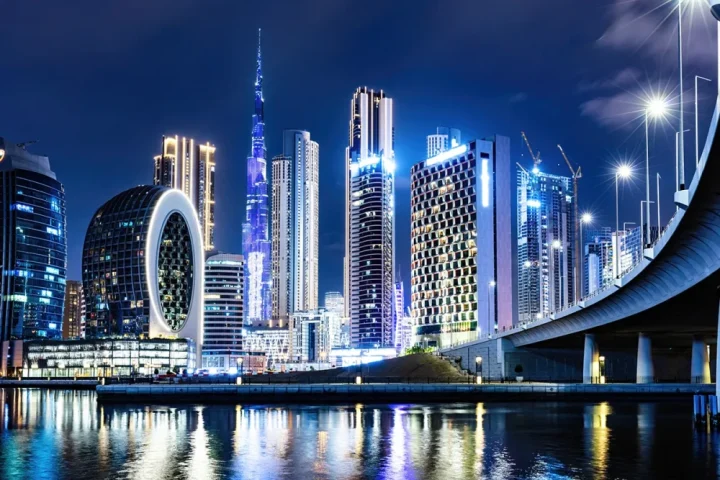
Abu Dhabi’s Hub71 is cementing its role as a global innovation hub after welcoming 13 new artificial intelligence startups this year, raising its AI portfolio to 53 companies. The move highlights the emirate’s ambition to position itself as a safe haven for entrepreneurs facing regulatory and tax challenges in traditional tech centers.
Launched in 2019 with backing from Mubadala, Hub71 now hosts 371 companies across fintech, climate technology, and digital assets. Head of Growth and Strategy, Peter Abou Hachem, said AI is at the forefront of the hub’s mission: “Our aim is to help create the next OpenAI out of the emirate.”
The latest entrants cover sectors from genomics to enterprise software, with healthcare and life sciences becoming priority areas. Hub71 is preparing to launch a healthcare cluster this year to accelerate drug discovery and clinical research, complementing its existing focus on AI and climate tech.
Abu Dhabi’s appeal has been strengthened by turbulence in global markets. Higher taxes in the UK and tighter rules in the US, Hong Kong, and Switzerland have pushed several startups, especially in digital assets, to relocate. The Abu Dhabi Global Market (ADGM) offers clearer frameworks for fund formation and virtual assets, making the emirate an attractive alternative.
“Startups won’t come unless customers, investors, and regulators are already in place,” Abou Hachem noted. Hub71’s ecosystem has generated AED 4.5 billion ($1.2 billion) in revenue and billions in funding, expanding by nearly 30 percent in 2024 with support from more than 150 venture capital firms and corporate partners.
The UAE’s broader ecosystem has also surged. Ranked first globally for entrepreneurship for four consecutive years by the Global Entrepreneurship Monitor, the country has invested $8.7 billion under its “Projects of the 50” initiative. By the end of 2024, Abu Dhabi’s startup ecosystem was valued at $4.4 billion, ranking third in MENA and within the 51–60 range globally in Startup Genome’s 2025 report.
For Abou Hachem, the focus now is not just growth in numbers, but scaling globally competitive companies. “It’s not just about building companies here. It’s about building from here to the world,” he said.