A practical comparison of leading conventional, Islamic, digital and international banks
The best banks in UAE combine financial strength, regulated services, secure digital banking and products designed for the country’s diverse population. Customers can choose from major national banks, dedicated Islamic institutions, international banking groups and app-based digital banks.
Choosing the right bank depends on what you need. A salaried employee may prioritise a simple current account and accessible ATMs. A business owner may need working-capital facilities, multicurrency accounts or trade finance. Other customers may prefer Sharia-compliant banking, wealth management or international services.
This guide compares 15 prominent UAE banks by their primary strengths and customer profiles. It is an editorial comparison, not an official ranking. Account charges, interest rates, profit rates, benefits and eligibility requirements can change, so customers should verify the latest terms before applying.
Best Banks in UAE at a Glance
| Bank | Best for | Banking model | Main customers |
|---|---|---|---|
| First Abu Dhabi Bank | Comprehensive banking services | Conventional | Individuals, businesses and investors |
| Emirates NBD | Everyday and digital banking | Conventional | Residents, companies and affluent customers |
| Abu Dhabi Commercial Bank | Integrated personal and business banking | Conventional | Individuals, SMEs and corporations |
| Dubai Islamic Bank | Comprehensive Islamic banking | Islamic | Individuals and businesses |
| Mashreq | Digital-first conventional banking | Conventional | Individuals, entrepreneurs and companies |
| Abu Dhabi Islamic Bank | Personalised Islamic banking | Islamic | Individuals, SMEs and affluent customers |
| Emirates Islamic | Accessible Sharia-compliant banking | Islamic | Individuals and businesses |
| RAKBANK | Small-business banking | Conventional and Islamic services | Individuals and SMEs |
| Commercial Bank of Dubai | Business and corporate banking | Conventional and Islamic services | Individuals and companies |
| Wio Bank | App-based banking | Digital | Individuals, freelancers and SMEs |
| Sharjah Islamic Bank | Islamic personal and business banking | Islamic | Individuals and companies |
| National Bank of Fujairah | Trade finance and treasury | Conventional and Islamic services | SMEs and corporations |
| HSBC UAE | International banking | International conventional bank | Expatriates, investors and companies |
| Standard Chartered UAE | International wealth management | International and Islamic services | Affluent individuals and corporations |
| Citibank UAE | Global wealth and credit-card services | International conventional bank | Individuals, investors and corporations |
How We Selected the Best Banks in UAE
The banks were evaluated using practical factors that affect residents and businesses:
- Regulatory status
- Range of personal and business products
- Online and mobile banking capabilities
- Availability of Islamic financial services
- Branch and ATM accessibility
- International transfers and multicurrency services
- SME and corporate banking support
- Trade-finance capabilities
- Wealth and investment services
- Suitability for different customer profiles
- Transparency of fees and eligibility conditions
Temporary promotions were not treated as a primary ranking factor because joining bonuses, cashback offers and promotional rates can change frequently.
Read Also: How Banks Make Billions: The Business Model Behind Modern Banking
1. First Abu Dhabi Bank
Best for: Comprehensive banking services
First Abu Dhabi Bank, commonly called FAB, is one of the largest banks headquartered in the UAE. It provides personal, business, corporate, investment, private and wealth-management services.
Personal customers can access current and savings accounts, cards, financing and investment-related services. Businesses can use cash-management, trade-finance, lending and treasury solutions, subject to eligibility.
FAB is particularly suitable for customers who want to manage several financial needs through one banking group. Its international presence can also benefit companies and individuals with cross-border interests.
Potential limitation: Premium and private-banking products may require customers to maintain significant balances or meet other relationship requirements.
2. Emirates NBD
Best for: Everyday banking and digital services
Emirates NBD is one of the UAE’s most prominent banking groups. It provides personal, priority, private, business and corporate banking services.
Its consumer portfolio includes current and savings accounts, cards, personal loans, vehicle finance, mortgages, transfers and wealth products. Its mobile and online platforms support many routine banking activities.
Emirates NBD can be convenient for UAE residents who want digital banking supported by an established branch and ATM network. Businesses can also access accounts, payment services, financing and corporate solutions.
Potential limitation: Account fees, minimum-balance requirements and card charges differ considerably across products.
3. Abu Dhabi Commercial Bank
Best for: Integrated personal and business banking
Abu Dhabi Commercial Bank, or ADCB, is a full-service bank offering retail, business, corporate and wealth-management services.
Its personal customers can choose from accounts, cards, borrowing, mortgages and investment-related services. Business customers can access company accounts, working-capital facilities, merchant services, cash management and trade finance.
ADCB is a strong option for customers who want established digital banking together with physical service channels. It may also suit entrepreneurs who want to maintain both personal and commercial relationships with one institution.
Potential limitation: Financing and credit products remain subject to income, affordability, documentation and internal approval requirements.
4. Dubai Islamic Bank
Best for: Comprehensive Islamic banking
Dubai Islamic Bank, widely known as DIB, provides Sharia-compliant services to personal, business and corporate customers.
Its products include current and savings accounts, cards, property finance, personal finance, business banking and investment-related services. DIB’s established position and extensive product range make it a leading option for customers seeking Islamic banking in the UAE.
Its financing products use approved Islamic structures instead of standard interest-based lending arrangements.
Potential limitation: Sharia-compliant finance is not cost-free. Customers should examine profit calculations, processing fees, total payment obligations and early-settlement conditions.
5. Mashreq
Best for: Digital-first conventional banking
Mashreq combines an established banking operation with a strong focus on digital services. It serves personal, private, business and corporate customers.
Mashreq Neo provides digital personal banking, while the bank’s business platforms offer company accounts, payments, transfers and financial-management tools. Customers can also access cards, loans, mortgages, foreign-exchange services and investments.
Mashreq may appeal to digitally confident residents and entrepreneurs who prefer managing most transactions through mobile or online channels.
Potential limitation: Digital onboarding still requires identity verification, financial information and compliance checks. Approval is not guaranteed.
6. Abu Dhabi Islamic Bank
Best for: Personalised Islamic banking
Abu Dhabi Islamic Bank, commonly known as ADIB, offers Sharia-compliant personal, business, corporate and private banking.
Customers can access accounts, cards, personal finance, property finance, investment services and SME solutions. Its combination of Islamic banking, digital services and relationship-based support makes it a strong alternative to DIB.
ADIB can serve customers ranging from first-time account holders to business owners and affluent individuals.
Potential limitation: Customers should compare the total cost of finance rather than relying only on the advertised profit rate.
7. Emirates Islamic
Best for: Accessible Sharia-compliant banking
Emirates Islamic provides Islamic banking services to individuals and businesses. Its personal portfolio includes accounts, cards and financing, while its business division serves eligible companies with accounts, cards and other commercial banking services.
It may be a convenient option for customers seeking Sharia-compliant products from a bank within the wider Emirates NBD Group.
Digital banking tools allow customers to manage many transactions without visiting a branch.
Potential limitation: Applicants should verify the requirements for salary transfers, minimum balances and particular financing products.
8. RAKBANK
Best for: SMEs and entrepreneurs
The National Bank of Ras Al Khaimah, better known as RAKBANK, offers personal, business, wholesale and Islamic banking services.
RAKBANK has a visible presence in the UAE small-business market. Its business services include accounts, cards, payment solutions, working-capital products and digital banking tools.
It may suit entrepreneurs and established SMEs that want a bank experienced in handling smaller commercial relationships. Personal customers can also access accounts, cards and financing services.
Potential limitation: Smaller businesses must still satisfy onboarding, documentation and risk-assessment requirements.
9. Commercial Bank of Dubai
Best for: Business and corporate banking
Commercial Bank of Dubai, or CBD, serves personal, business, corporate and private-banking customers. It offers conventional products and Sharia-compliant services through its Islamic banking division.
CBD’s business services include accounts, lending, payments, trade finance, cash management and supply-chain solutions. This makes it a practical option for established SMEs and companies with more complex operating requirements.
The bank also provides personal accounts, cards, borrowing and investment-related services.
Potential limitation: Companies should compare minimum balances, transaction costs and service packages against their actual operating volumes.
10. Wio Bank
Best for: App-based personal and business banking
Wio Bank is a UAE digital bank providing services through Wio Personal and Wio Business. Customers primarily interact with the bank through its mobile applications.
Its digital model may appeal to individuals, freelancers, start-ups and SMEs that prefer online onboarding and app-based financial management. Business features include account-management, payment and expense-control tools.
Wio can be particularly convenient for customers who do not rely heavily on cash or face-to-face banking.
Potential limitation: Customers who regularly deposit cash or require frequent branch assistance should evaluate whether a digital-only model meets their needs.
11. Sharjah Islamic Bank
Best for: Islamic personal and commercial banking
Sharjah Islamic Bank provides Sharia-compliant banking for individuals, businesses and corporate customers.
Its services include personal and business accounts, cards, vehicle and property finance, corporate finance, trade services and digital banking. The bank may appeal to customers seeking an alternative to the UAE’s larger Islamic institutions.
Its commercial services can also support eligible SMEs and companies requiring Islamic financing arrangements.
Potential limitation: Customers should compare its branch availability and specific product conditions with other Islamic banks before deciding.
12. National Bank of Fujairah
Best for: Trade finance and treasury services
National Bank of Fujairah, or NBF, offers personal, business, corporate and Islamic financial services. Its distinctive strengths include commercial banking, trade finance, cash management, working capital and treasury services.
NBF may be particularly relevant to importers, exporters, manufacturers, contractors and companies managing foreign-exchange exposure. It provides specialised services for several business sectors.
Although NBF has personal banking products, its business and transaction-banking capabilities are its most notable strengths.
Potential limitation: Trade and treasury products can involve complex documentation, pricing and financial risks.
13. HSBC UAE
Best for: International banking
HSBC UAE serves personal, premier, private and business customers. Its international network can benefit expatriates, internationally mobile professionals, investors and companies operating across several countries.
Personal services include accounts, cards, mortgages, money transfers and investment products. Eligible customers may also access international accounts and cross-border wealth services.
Its corporate offering includes transaction banking, trade-related products and other business solutions.
Potential limitation: Some international, premium and wealth services have substantial eligibility or relationship-balance requirements.
14. Standard Chartered UAE
Best for: International wealth management
Standard Chartered offers personal, priority, private, international and Islamic banking services in the UAE.
The bank is particularly relevant to eligible customers who need cross-border wealth management, investments, foreign exchange or connections with international financial centres. It also provides digital banking, accounts, cards and mortgage services.
Standard Chartered serves corporate and institutional customers alongside its personal-banking operations.
Potential limitation: Investment products carry financial risk, and access depends on the customer’s eligibility, experience and suitability assessment.
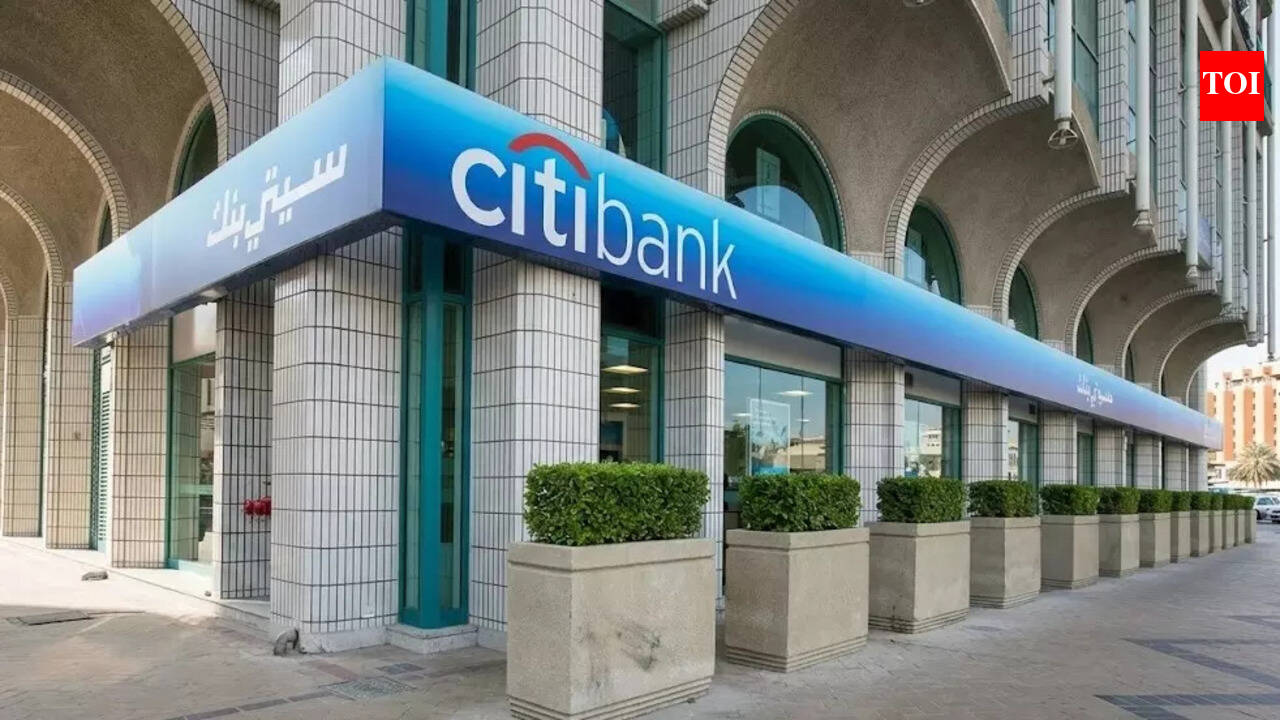
15. Citibank UAE
Best for: Global wealth and credit-card services
Citibank UAE provides personal banking, credit cards, wealth management and international financial services. Citi also maintains corporate and institutional banking operations in the country.
Its global network can appeal to internationally connected customers, particularly those seeking investment services or premium credit-card products. Eligible clients can access wealth solutions and financial-market opportunities through the wider Citi network.
Citi may not be the most suitable choice for customers whose main priority is a large domestic branch network.
Potential limitation: Wealth services and certain premium products may require customers to meet minimum income or relationship-balance conditions.
Which UAE Bank Is Best for Your Needs?
Best overall bank
FAB is a strong all-round choice because it provides extensive personal, business, corporate, investment and wealth-management services.
Best bank for everyday accounts
Emirates NBD and ADCB are leading candidates for customers who want mobile banking, branches, ATMs and broad personal product ranges.
Best digital bank
Wio Bank is designed around app-based banking. Mashreq is a strong alternative for customers who want digital-first services from an established conventional bank.
Best Islamic bank
DIB, ADIB, Emirates Islamic and Sharjah Islamic Bank are prominent Sharia-compliant options. The right choice depends on the required product, contract structure, total cost and service accessibility.
Best bank for SMEs
RAKBANK is a notable small-business bank, while Wio Business may suit digitally operated companies. CBD, ADCB and NBF are worth comparing when a business requires financing, cash management or trade services.
Best international bank
HSBC is suitable for internationally mobile customers, while Standard Chartered is particularly relevant to cross-border wealth clients. Citi may suit eligible investors and premium card users.
Best bank for trade finance
NBF specialises in several commercial and trade-related services. FAB, Emirates NBD, ADCB, CBD and HSBC also provide substantial corporate and transaction-banking capabilities.
Conventional Banks vs Islamic Banks
Conventional banks provide deposits, lending and investments using standard financial structures. They generally offer wide product ranges and serve individuals, companies and institutions.
Islamic banks structure products according to Sharia principles. Common structures may include Murabaha, Ijarah, Mudaraba and Wakalah, depending on the product.
Customers should not assume that Islamic finance has no costs. Islamic products may include agreed profit, administrative fees and other contractual obligations. Review the complete agreement before signing.
How to Choose Among the Best Banks in UAE
Confirm the bank’s regulatory status
Check the institution through the Central Bank of the UAE’s official register. Confirm the legal entity and licence category rather than relying only on a brand name or advertisement.
Compare the complete account cost
Review:
- Monthly account fees
- Minimum-balance requirements
- Fall-below-balance charges
- Debit and credit-card fees
- Cash-deposit charges
- Local and international transfer fees
- Foreign-exchange margins
- Cheque-book charges
- Early-settlement or closure fees
Consider branch and ATM access
A digital bank may be suitable for online transactions but less convenient for customers who frequently deposit cash. Consider where branches, ATMs and cash-deposit machines are located.
Examine the mobile banking platform
Check whether the application supports instant transfers, card controls, digital statements, international payments, account opening and service requests.
Review transfer and currency services
Customers making international transactions should compare supported currencies, transfer limits, processing times, correspondent-bank charges and exchange-rate margins.
Assess business-banking features
Companies may require:
- Payroll services
- Corporate debit or credit cards
- Multiple-user account access
- Maker-and-checker controls
- Payment gateways
- Bulk transfers
- Working-capital finance
- Trade finance
- Foreign-exchange services
- Accounting integrations
Evaluate customer support
Find out how the bank handles lost cards, disputed payments, suspected fraud, blocked transactions and urgent international transfers.
Documents Needed to Open a UAE Bank Account
Personal customers may be asked to provide:
- A valid passport
- UAE residence visa, where applicable
- Emirates ID
- Proof of address
- Salary certificate or proof of income
- Recent bank statements
- Tax-residency information
- Source-of-funds information
Business customers may need:
- A valid UAE trade licence
- Certificate of incorporation
- Memorandum and articles of association
- Shareholder and director documents
- Ultimate beneficial-owner information
- Office or tenancy documentation
- Contracts, invoices or business plans
- Existing company bank statements
- Expected transaction details
- Evidence of the source of company funds
Requirements vary between institutions and customer profiles.
Can a UAE Bank Reject an Application?
A bank can reject an application even when the applicant provides basic documentation. Banks are required to complete customer verification and financial-crime compliance checks.
An application may be declined because of:
- Incomplete or inconsistent documents
- An unsupported business activity
- An unclear source of funds
- A complex ownership structure
- The applicant’s residency or risk profile
- Internal account-opening policies
- Credit or affordability concerns
No legitimate agent can guarantee that a bank will approve an account or financing application.
Banking Safety Tips
Use only official bank websites, applications, telephone numbers and branches. Fraudsters may impersonate bank employees through calls, messages and fake websites.
Never disclose:
- Your card PIN
- Your online banking password
- A one-time security code
- Your card’s complete security details
- Remote access to your device
Verify payment instructions independently, particularly when a company or supplier suddenly changes its bank-account details.
Frequently Asked Questions
What is the best bank in the UAE?
The best choice depends on the customer. FAB offers extensive full-service banking, Emirates NBD and ADCB suit broad everyday needs, DIB and ADIB specialise in Islamic banking, and Wio focuses on app-based services.
Which UAE bank is best for expatriates?
Emirates NBD, FAB, ADCB and HSBC are reasonable candidates. The right choice depends on residency, salary, transfer needs, account fees and required international services.
Which bank has the best mobile banking in the UAE?
Wio, Mashreq, Emirates NBD and ADCB all provide substantial digital services. The best application depends on the features a customer uses most frequently.
Which UAE bank is best for a salary account?
Emirates NBD, ADCB, FAB, Mashreq and several Islamic banks offer salary-account options. Compare minimum salary requirements, fees, ATM access and associated benefits.
Which bank is best for a UAE business account?
Wio Business and RAKBANK can suit smaller companies. CBD and ADCB serve established SMEs, while NBF may be useful for companies requiring trade-finance or treasury support.
What is the best Islamic bank in the UAE?
DIB, ADIB, Emirates Islamic and Sharjah Islamic Bank are prominent options. Compare the specific contract structure, profit obligations, fees and service accessibility.
Can tourists open UAE bank accounts?
Tourists generally do not have access to the same account range as residents. Some banks may consider eligible non-residents for limited products, but documentation and balance requirements can be stricter.
Can non-residents open bank accounts in the UAE?
Some banks accept qualifying non-residents, although approval is not guaranteed. Available accounts may have higher balance requirements and fewer features.
Is there a standard minimum salary for UAE bank accounts?
No single minimum salary applies to every bank or account. Requirements vary by account, card, financing product and customer category.
How long does UAE bank-account opening take?
Straightforward digital applications may be completed relatively quickly. Business, non-resident and complex applications can take longer because of additional compliance reviews.
Are UAE bank deposits guaranteed?
Customers should confirm the current protections applicable to their chosen institution and product. Do not assume that arrangements used in other countries automatically apply in the UAE.
How do I verify whether a UAE bank is licensed?
Search the Central Bank of the UAE’s official register using the institution’s legal name. Confirm that the bank is authorised for the service being offered.
Final Verdict
The best banks in UAE differ according to personal circumstances and financial goals. FAB is a comprehensive full-service option, while Emirates NBD and ADCB provide broad everyday banking. Mashreq and Wio stand out for digitally focused customers.
DIB, ADIB, Emirates Islamic and Sharjah Islamic Bank provide established Sharia-compliant services. RAKBANK, CBD and NBF deserve attention from business owners, while HSBC, Standard Chartered and Citi serve internationally connected customers.
Before selecting a bank, compare its regulatory status, account eligibility, total fees, digital services, branch access and customer support. The most suitable bank is the one that reliably meets your long-term needs—not simply the institution offering the largest temporary reward.
Disclaimer: This article is for general information only and does not constitute financial, investment, legal or tax advice. Products, rates, fees, benefits and eligibility requirements may change. Verify all current terms before applying.
Read Also: 14 Best Financial Institutions in the UAE