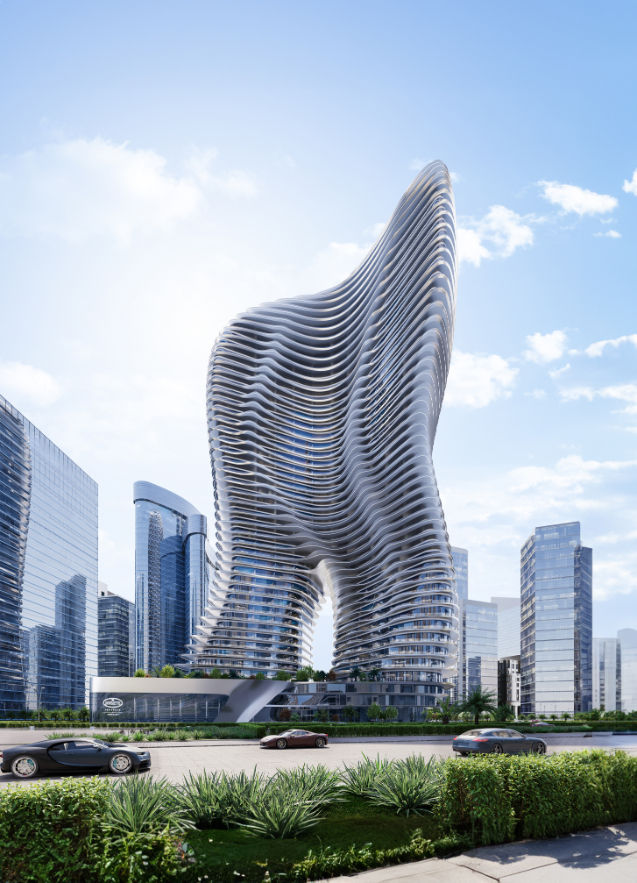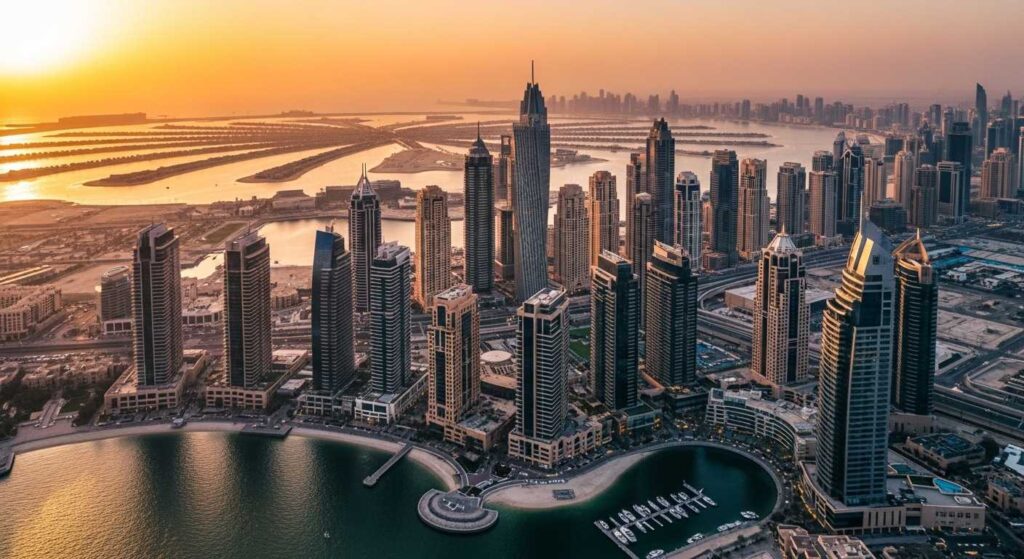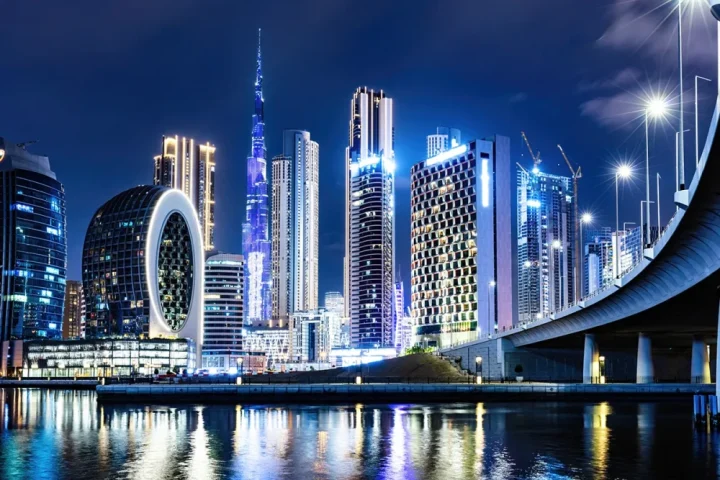
In recent years, the world of property development has experienced a profound transformation, and nowhere is this shift more evident than in the United Arab Emirates (UAE). Historically, the fields of architecture and property development operated as distinct entities, each with its own set of priorities, processes, and goals. Architects focused on design, while developers concentrated on construction and profit maximization. However, a new movement is now taking shape, one where architects are not merely designing buildings but actively guiding the broader strategies that define how communities are formed and how they thrive. This evolution towards an architect-developer hybrid marks a strategic shift that’s redefining the future of living across the UAE, and it’s shaping the way cities and neighborhoods will look in the coming decades.
The Architect-Developer Hybrid: A New Model for the Future
The blending of architectural expertise with property development is a relatively new phenomenon in the UAE. Architects are now working alongside developers from the very beginning of a project, playing an integral role in decision-making processes that go beyond the initial design. In today’s landscape, architects are tasked with ensuring that buildings are not just visually striking but that they also serve the long-term needs of the people who will live in them.
Gone are the days when developers could simply prioritize speed and yield above all else. The current climate in the UAE emphasizes quality, sustainability, and human-centered design. This shift towards architect-led development has been driven by a growing recognition that spaces must be more than just a collection of rooms. Architects bring a unique perspective to the table by understanding how people interact with spaces, considering everything from natural lighting and ventilation to privacy and community interaction.
Human-Centered Design: Putting People at the Heart of Property Development
In the past, property development in the UAE often revolved around commercial drivers, focusing on quick returns and high-density projects. This approach typically resulted in cookie-cutter developments, with little regard for the spatial quality or long-term resilience of the buildings. Living spaces were designed to maximize units rather than maximize quality of life. The result? Apartments with inefficient layouts—too many units crammed into buildings that prioritized quantity over comfort and functionality.
However, the rise of architect-led developments in the UAE signals a departure from this model. Today’s developers and architects understand that successful communities are about more than just building houses; they are about creating homes. Buyers and residents want spaces that not only provide the basics but are also thoughtful, functional, and adaptable to their lifestyles.
Architects are now looking at buildings and neighborhoods from a more holistic perspective—considering both the aesthetic appeal and the usability of the spaces. This includes designing larger bedrooms, efficient kitchens, and well-organized living spaces that offer both comfort and functionality. These designs are not only more attractive but are also more likely to stand the test of time, ensuring that they remain desirable and valuable over the long term.
The Role of Architecture in Enhancing Community and Culture
One of the significant benefits of architect-led property development is the emphasis on community and cultural identity. While many developments in the past were focused on international styles and aesthetics, today’s architects are more attuned to the cultural context of the UAE and the region as a whole. This means incorporating local architectural styles, cultural symbols, and design elements that reflect the heritage and history of the area.
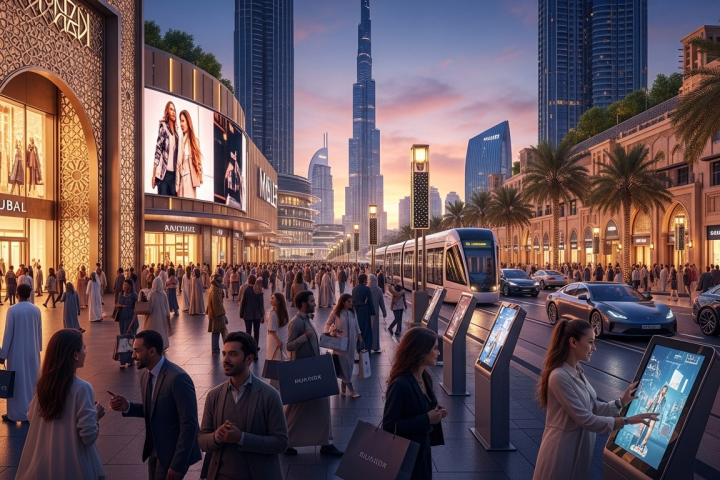
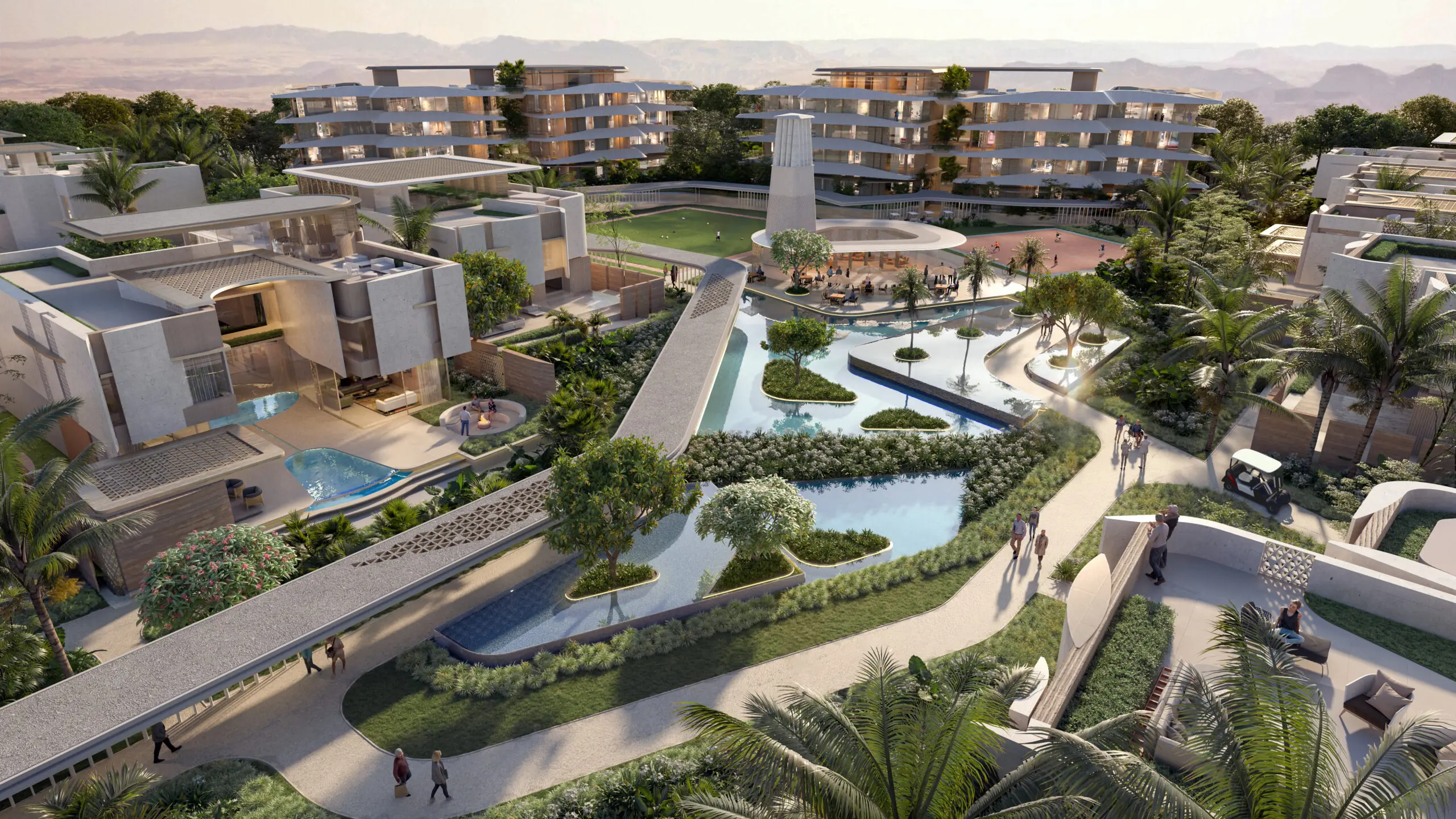
But it’s not just about aesthetic appeal. Architects are also working to create cohesive communities that encourage social interaction, sustainability, and a sense of belonging. In a city like Dubai, where rapid urbanization can sometimes lead to fragmented, isolated neighborhoods, this is particularly important. Communities are being designed with shared spaces like parks, community centers, and cultural hubs that encourage residents to engage with one another, fostering a sense of community that is often missing in more traditional developments.
Sustainability and Long-Term Resilience
Sustainability has become a key focus in architecture and development, particularly in the UAE’s ambitious quest to achieve Net Zero 2050. Architects are increasingly involved in ensuring that the buildings they design are energy-efficient, environmentally friendly, and aligned with the UAE’s long-term goals for sustainability.
Rather than focusing solely on the aesthetic qualities of a building, architects are making strategic decisions around passive cooling, natural lighting, efficient water usage, and the selection of durable materials. These decisions not only contribute to lower operational costs for residents but also enhance the overall well-being of the people living in these spaces.
Moreover, architects are addressing the environmental impact of buildings from the start. Instead of simply meeting regulatory requirements, they are going beyond the bare minimum, aiming to create buildings that are self-sustaining and leave a minimal environmental footprint. This includes designing buildings that can adapt to climate change, with features like green roofs, solar panels, and rainwater harvesting systems.
A New Approach to Amenities and Unit Mix
Architect-led development is also challenging the traditional approach to unit mix and building amenities. In the past, many developments aimed to offer an abundance of features—swimming pools, gyms, and common areas—in an effort to attract buyers. However, these amenities are not always practical or sustainable in the long term.
For example, while adding in-unit swimming pools to mid-tier buildings might seem appealing, it often results in higher maintenance costs and additional liabilities for residents. Similarly, a unit mix that favors a high ratio of studio apartments may look profitable in the short term but often leads to transient tenants and higher turnover rates, undermining the long-term value of the building.
Instead, architects are now advocating for curated amenities that are functional and quality-focused. Developers are increasingly choosing amenities that enhance the community, such as shared workspaces, green spaces, and wellness centers. These features are designed not just to attract tenants, but to serve their long-term needs. As a result, residents enjoy a more cohesive, intuitive living environment that fosters a strong sense of community and well-being.
The Future of Architect-Led Property Development in the UAE
Looking ahead, the role of architects in property development is likely to continue expanding in the UAE. The traditional siloed nature of real estate workflows—where design was handed off to developers who would then engineer it into a finished product—is quickly becoming a thing of the past. Architects are now more involved in the entire development process, from the initial concept to the final product.
This integration of design with financial, technical, and spatial considerations results in a more agile development process—one that can respond to shifting market demands without compromising on quality. As the UAE continues to grow as a global hub for innovation, sustainability, and luxury living, architect-led development will play a crucial role in shaping the cities and communities of the future.