Washington, D.C. — Former U.S. President Donald Trump expressed uncertainty over whether former British Prime Minister Tony Blair would be accepted as a member of a proposed international board tasked with facilitating peace in Gaza. The remarks came during a recent interview where Trump discussed his administration’s ongoing involvement in Middle East diplomacy and the potential role of global figures in resolving long-standing conflicts in the region.
Background on the Gaza Peace Board Proposal
The proposed board aims to coordinate efforts between Israel, Palestinian authorities, and international stakeholders to stabilize Gaza and promote humanitarian relief. It is part of broader attempts to address recurring violence, political disputes, and the humanitarian crisis affecting thousands of residents in the territory.
Blair, who has extensive experience in international diplomacy and conflict resolution, has reportedly been considered for an advisory or leadership role on the board. However, Trump’s comments indicate that political acceptance and buy-in from all involved parties remain uncertain.
The idea of a peace board reflects international concern over Gaza’s ongoing instability, which has resulted in cycles of conflict between Israeli forces and Palestinian factions. Such a board could provide a platform for dialogue, monitor ceasefires, and coordinate humanitarian assistance.
Trump’s Remarks
During a recent interview with a U.S. news outlet, Trump stated, “Tony Blair has the experience, no doubt about that, but I’m not sure all sides would accept him on this board. It’s complicated. You need everyone on board for this to work.”
Trump emphasized that any effective peace initiative requires consensus among stakeholders. “You can have the best people, the smartest people, but if the parties involved don’t agree, it’s very difficult to move forward,” he added.
Trump also noted that his administration had explored various avenues for Middle East peace, highlighting the challenges of balancing political, security, and humanitarian interests in a region with entrenched conflicts.
Tony Blair’s Background in Diplomacy
Tony Blair, who served as the UK Prime Minister from 1997 to 2007, has remained active in international diplomacy since leaving office. He has participated in numerous conflict-resolution initiatives, including in the Middle East, Africa, and the Balkans.
Blair’s efforts often focus on mediation, institutional reform, and post-conflict reconstruction. Supporters argue that his experience could provide valuable insight into negotiations between Israel and Palestinian authorities.
Critics, however, caution that Blair’s political history and previous involvement in controversial international interventions may complicate his acceptance by certain factions in the region. Some view his presence as politically sensitive, particularly among groups that perceive Western mediation efforts with skepticism.
Challenges in Forming the Peace Board
Experts note several hurdles in establishing a functioning Gaza peace board. First, stakeholder acceptance is critical. The board would require participation from Israel, the Palestinian Authority, Hamas representatives, and international partners, including the United Nations and regional actors like Egypt and Qatar.
Second, trust and neutrality are essential. All parties must perceive the board as impartial and committed to fostering dialogue rather than advancing the interests of a particular state or political figure. Blair’s involvement, while bringing expertise, could be viewed as politically charged by some Palestinian factions.
Third, the board would need clear mandates and operational frameworks. Responsibilities would likely include monitoring ceasefires, facilitating humanitarian aid, and mediating disputes. Without well-defined roles, the board risks becoming a symbolic entity rather than an effective mechanism for peace.
Regional and International Reactions
News of Trump’s comments has drawn attention from both regional and international actors. Israeli officials have welcomed efforts to strengthen coordination on Gaza, though they emphasize that any board must respect Israeli security concerns.
Palestinian leaders have been cautious, noting that prior international interventions have sometimes failed to meet local expectations. Some Palestinian groups have expressed reservations about Blair’s potential involvement, citing past criticisms of his policies in the Middle East.
International organizations, including the United Nations and the European Union, have expressed support for initiatives that promote dialogue and humanitarian relief. These bodies often advocate for multilateral approaches that include local stakeholders, ensuring that interventions are context-sensitive and sustainable.
Political Implications
Trump’s uncertainty highlights the broader political complexities of Gaza diplomacy. Appointing a high-profile figure like Blair could lend credibility to the peace board but might also introduce political friction.
Observers note that the success of any peace initiative depends on balancing expertise with acceptance by all relevant parties. “It’s not enough to have someone experienced,” said Dr. Helen Barak, a Middle East policy analyst. “The parties involved must trust the mediator, feel represented, and perceive fairness in the process.”
Trump’s remarks also underscore the ongoing role of former U.S. administrations in shaping perceptions of Middle East policy. Even as former presidents step back from official duties, their statements and endorsements can influence regional negotiations and the credibility of potential peace initiatives.
Humanitarian Context
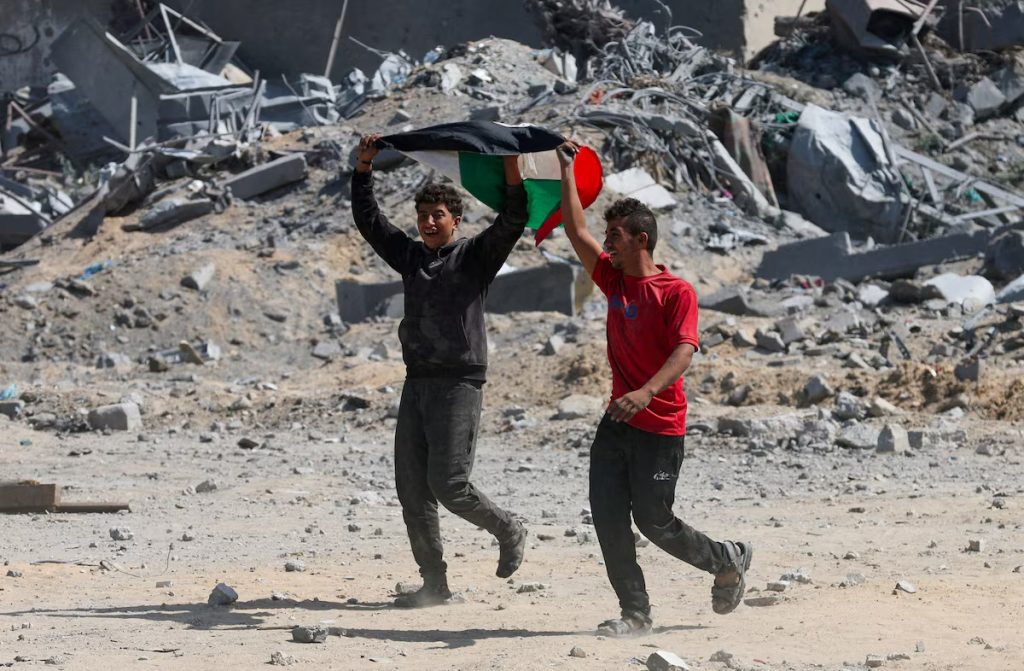
Gaza has faced recurring humanitarian challenges due to conflict, blockades, and limited access to basic services. Infrastructure damage, food insecurity, and restricted movement contribute to widespread suffering among civilians.
A peace board could play a critical role in coordinating aid distribution, ensuring that resources reach the most vulnerable populations. International observers emphasize that any political solution must integrate humanitarian priorities to prevent further destabilization and support long-term recovery.
Blair’s experience in post-conflict recovery could be relevant in designing programs that address both immediate needs and structural challenges in Gaza. However, the success of such initiatives depends on broad acceptance from local and regional authorities.
Expert Opinions
Political analysts note that forming a Gaza peace board is an ambitious initiative. “It’s a delicate balancing act,” said Dr. Rami Al-Hassan, a professor of international relations. “You need credibility, neutrality, and the trust of all stakeholders. Figures like Tony Blair can bring expertise, but political buy-in is equally important.”
Other experts emphasize that without careful coordination, the board could face legitimacy challenges. Local actors may resist external oversight if they perceive it as biased or disconnected from the realities on the ground.
Next Steps and Prospects
Trump’s comments suggest that discussions over the composition and leadership of the peace board are ongoing. International mediators are reportedly consulting with both Israeli and Palestinian representatives to gauge acceptance and identify potential compromises.
If Blair or other high-profile figures are included, organizers must ensure that all factions recognize their role as facilitators rather than decision-makers. Building consensus, establishing clear objectives, and maintaining transparency are key factors for success.
Observers note that the coming weeks will be crucial in determining whether the peace board can achieve meaningful results or remain a symbolic initiative. Diplomatic engagement, stakeholder confidence, and operational clarity will largely dictate its effectiveness.
Conclusion
Donald Trump’s uncertainty regarding Tony Blair’s acceptance on a Gaza peace board highlights the political and diplomatic complexities surrounding efforts to stabilize the region. While Blair brings significant experience in international diplomacy, stakeholder buy-in remains critical to the initiative’s success.
The proposed board could play a vital role in coordinating humanitarian aid, monitoring ceasefires, and facilitating dialogue. However, political sensitivity, trust, and neutrality will determine whether it achieves tangible results or remains a symbolic effort.
As negotiations continue, international mediators, regional actors, and local stakeholders will work to balance expertise, political acceptance, and humanitarian priorities. The initiative underscores the ongoing challenges of Middle East diplomacy and the careful coordination required to achieve peace in Gaza.