Strait of Hormuz tensions returned to the centre of global attention after Iran claimed it had closed the vital waterway, while the United States rejected the announcement and said commercial traffic continued to move through one of the world’s most important energy shipping routes.
The dispute added new uncertainty to a fragile U.S.-Iran ceasefire process and raised fresh questions over who can influence access through the narrow maritime corridor linking the Persian Gulf with the Gulf of Oman. The strait is a strategic passage for oil and gas shipments, making any threat to traffic a concern for energy markets, shipping companies and governments across Asia, Europe and the Middle East.
The latest escalation came as Iran said it was closing the Strait of Hormuz over what it described as breaches of ceasefire commitments. U.S. Central Command denied that the waterway had been shut, stressing that Iran does not control the passage and that ships were still moving.
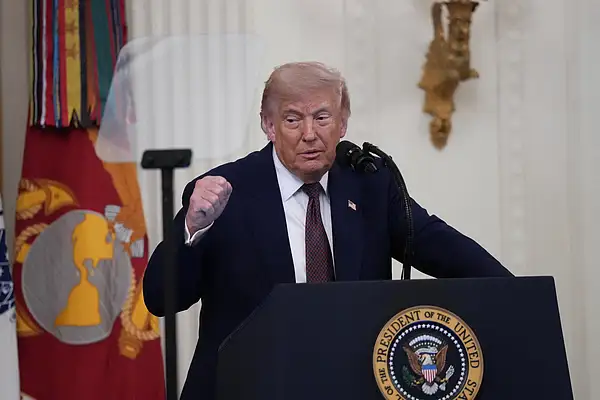
President Donald Trump then added another layer to the crisis by saying there would be no tolls in the Strait of Hormuz during or after the ceasefire period unless such charges were imposed by and for the United States. His comments signalled Washington’s rejection of any Iranian attempt to attach fees or conditions to vessel movement through the strait.
The result is a high-stakes standoff involving military signalling, diplomatic talks and energy security. Iran is trying to show leverage. The United States is trying to demonstrate control. Regional actors are watching for signs that the ceasefire can survive beyond its opening days.
Why the Strait of Hormuz Matters
The Strait of Hormuz is not an ordinary waterway. It is one of the most sensitive maritime chokepoints in the global economy. A large share of seaborne oil and liquefied natural gas exports from the Gulf region moves through the passage, including supplies linked to major producers such as Saudi Arabia, the United Arab Emirates, Kuwait, Iraq, Qatar and Iran.
Because of that, any claim of closure can immediately unsettle markets. Even when ships continue moving, the threat alone can raise insurance costs, delay cargoes and push traders to price in geopolitical risk.
The strategic value of the Strait of Hormuz also gives it political weight. Iran has often used threats around the waterway as a pressure tool during confrontations with the United States and regional rivals. Washington, meanwhile, has long treated freedom of navigation in the Gulf as a central security priority.
That is why the latest closure claim matters. It is not only about ship movements on one day. It is about whether the ceasefire framework can prevent maritime pressure from becoming a wider military and economic crisis.
Iran Claims Closure Over Ceasefire Breach
Iran said the Strait of Hormuz had been closed after accusing its opponents of failing to honour ceasefire commitments. The announcement appeared designed to raise pressure on the United States and its allies during a delicate phase of negotiations.
Tehran’s message was clear: if Iran believes the agreement is being violated elsewhere in the region, it may use the strait as leverage. That approach links maritime access with broader Middle East conflict dynamics, including the situation in Lebanon and tensions involving Israel and Hezbollah.
For Iran, the Strait of Hormuz is one of its strongest pressure points. Even without full control over the entire waterway, Iran’s geography, naval assets and political influence give it the ability to create uncertainty. In energy markets, uncertainty is often enough to move prices.
However, declaring a closure and enforcing one are different things. A full closure would require sustained military control, risk direct confrontation and threaten commercial shipping. That is why the U.S. denial became important so quickly.
US Central Command Says Traffic Continues
U.S. Central Command pushed back against Iran’s claim and said the Strait of Hormuz remained open. The U.S. position is that Iran does not control the waterway and that commercial traffic is still passing through.
That response was meant to reassure markets and shipping companies. If traders believe the strait is still functioning, the immediate risk of a major energy shock becomes lower. If they believe Iran can close it at will, the risk premium rises.
Washington’s statement also had a political purpose. It framed Iran’s announcement as a claim rather than a confirmed operational reality. In a crisis, that distinction matters. Markets, governments and shipping firms react differently to a declaration than they do to a verified shutdown.
The U.S. military message was also a reminder that America still sees itself as the main security guarantor for navigation through the Gulf. That role remains central to Washington’s regional influence.
Trump Rejects Hormuz Toll Idea
Trump’s statement on tolls added another major point of tension. He said there would be no tolls in the Strait of Hormuz unless imposed by and for the United States.
The comment appears aimed at rejecting any Iranian attempt to charge ships, impose passage fees or create a political toll system around the waterway. For Washington, allowing Iran to attach tolls to Hormuz traffic would look like accepting Iranian control over a global energy chokepoint.
That would be difficult for the U.S. to accept. It would also alarm Gulf states and energy importers that depend on predictable maritime access.
The toll issue is therefore more than financial. It is about authority. If tolls exist, who has the right to impose them? If ships pay, who receives the money? If one country can demand fees, what does that mean for international navigation?
Trump’s answer was blunt: not Iran.
The Ceasefire Faces Its First Major Test
The Hormuz dispute is one of the first major tests of the new ceasefire process. The agreement was supposed to reduce confrontation and open space for further talks, but events on the ground have already shown how fragile the arrangement remains.
The challenge is that the ceasefire does not exist in isolation. It is connected to multiple fronts, including Iran-U.S. tensions, Israel-Hezbollah conflict, Lebanon’s security situation and wider Gulf shipping risks. A breach or escalation in one area can quickly affect another.
Iran’s closure claim shows how easily the strait can become a bargaining tool. Washington’s denial shows how determined the U.S. is to prevent Iran from defining the reality of the waterway. Trump’s toll comments show that the dispute is now also about future rules of access.
That combination makes the ceasefire harder to manage. Negotiators may be discussing diplomacy, but military and market signals are moving at the same time.
Lebanon Escalation Adds Pressure
The crisis around the Strait of Hormuz came as the Lebanon front also saw renewed violence. Israeli strikes and Hezbollah activity raised doubts about whether the wider ceasefire environment could hold.
Lebanon matters in this context because Iran and Hezbollah are closely linked. If Iran argues that ceasefire commitments include restraint across regional fronts, then escalation in Lebanon becomes part of the broader diplomatic dispute.
For the U.S. and its partners, the priority is to prevent one front from collapsing the entire arrangement. That is difficult when each side interprets ceasefire obligations differently.
The situation also creates pressure on regional governments. Gulf states want stable shipping. Lebanon wants relief from further escalation. Israel wants security guarantees. Iran wants leverage. The U.S. wants to keep the diplomatic process alive while showing it will not accept threats to navigation.
Switzerland Talks Become More Important
The planned talks in Switzerland now carry greater importance. With Iranian and U.S. representatives expected to engage through diplomatic channels, negotiators must manage both the maritime dispute and the wider ceasefire framework.
Talks are likely to focus on practical issues. These may include verification, maritime access, ceasefire enforcement, regional de-escalation and guarantees around the Strait of Hormuz. The technical nature of such talks matters because broad political statements are not enough to keep ships moving or prevent miscalculation.
Switzerland has often served as a neutral diplomatic venue. In this case, its role is important because the crisis requires communication even when trust is low.
The key question is whether talks can produce clear rules. If the parties leave too much room for interpretation, new disputes may emerge quickly.
What It Means for Oil Markets
Oil markets are highly sensitive to the Strait of Hormuz because disruption in the passage could affect supply flows from the Gulf. Even when there is no confirmed closure, threats can push traders to price in risk.
A prolonged crisis could raise shipping insurance costs, delay tanker movements and create uncertainty for refiners and buyers. That may feed into crude prices and eventually fuel costs in importing countries.
However, markets also look for confirmation. If ships continue moving and U.S. forces maintain freedom of navigation, the immediate price impact may be limited. If traffic slows or shipping companies begin avoiding the route, the impact could become more serious.
The uncertainty itself is the problem. Energy markets dislike unclear rules, competing claims and military signalling near vital chokepoints.
What It Means for Gulf States
Gulf states have a direct interest in keeping the Strait of Hormuz open. Many of their energy exports depend on the passage, and any disruption can affect revenue, shipping schedules and investor confidence.
The United Arab Emirates, Saudi Arabia, Qatar, Kuwait and other regional economies all watch Hormuz developments closely. Some have alternative export routes, but no alternative fully removes the importance of the strait.
For these countries, the priority is stability. They may support diplomatic talks, but they also need credible security guarantees. A crisis that repeatedly threatens shipping can affect trade, insurance, tourism, investment and broader economic planning.
That is why the Hormuz row is not only an Iran-U.S. issue. It is a regional economic security issue.
The Legal and Strategic Question
The Strait of Hormuz raises difficult legal and strategic questions. International navigation principles support the movement of vessels through key maritime routes, but the geography of the strait places it near Iranian and Omani waters.
Iran can create risk, but the U.S. argues that it cannot unilaterally control the passage. This difference sits at the heart of the current dispute.
The toll question makes the issue even more complicated. A toll system would suggest administrative authority over passage. Washington’s rejection of that idea shows it does not want Iran to gain a new form of leverage over global shipping.
Strategically, the U.S. wants to avoid a precedent where a regional power can use one maritime chokepoint to pressure the world economy. Iran wants to show that its interests cannot be ignored. That tension will shape the next stage of the crisis.
What Happens Next
The next developments will depend on three factors: actual shipping traffic, diplomatic progress and military restraint.
If ships continue to move, the immediate market shock may ease. If traffic slows or companies begin rerouting, pressure will rise. If talks in Switzerland produce practical understandings, the ceasefire may survive. If violence escalates in Lebanon or the Gulf, the agreement could weaken quickly.
Official language will also matter. Stronger warnings from Tehran, Washington or regional actors could move markets. So could any sign of military preparation near the waterway.
For now, the crisis remains a test of credibility. Iran wants its closure claim to be taken seriously. The United States wants the world to believe the strait remains open. Traders, shipping firms and governments are watching which version becomes reality.
Conclusion
The Strait of Hormuz row has quickly become a major test of the fragile U.S.-Iran ceasefire. Iran says the waterway has been closed over alleged breaches of the agreement. U.S. Central Command says traffic continues and that Iran does not control the strait. Trump says there will be no tolls unless they are imposed by and for the United States.
Those competing messages show how tense the situation has become. The issue is not only whether ships can pass today. It is about who sets the rules for one of the world’s most important energy corridors.
For oil markets, the risk is disruption. For Gulf states, the risk is instability. For negotiators, the risk is that one maritime dispute could weaken a broader ceasefire before it has time to settle.
The coming talks will be critical. If the parties can clarify access, enforcement and regional obligations, the ceasefire may hold. If they cannot, the Strait of Hormuz could remain the pressure point where diplomacy, energy security and military power collide.
Read Also: Portugal vs DR Congo Live Updates and Result