In a landmark diplomatic development, the United Nations Security Council (UNSC) on October 31, 2025, adopted a resolution supporting Morocco’s autonomy plan for Western Sahara. The move marks the most significant policy shift in the decades-long conflict, potentially redefining the region’s political future.
What the Resolution Says
The resolution gained 11 votes in favor, with three abstentions from Russia, China, and Pakistan, and no votes against. This outcome highlights the growing consensus around Morocco’s 2007 autonomy proposal, which the text calls “the most realistic and credible basis” for a political solution. The resolution encourages negotiations grounded in that plan rather than on full independence.
Importantly, the resolution omits any mention of a referendum on independence—a key demand of the Polisario Front and its primary backer, Algeria. Instead, it reaffirms support for MINURSO, the UN peacekeeping mission in Western Sahara, whose mandate is renewed to facilitate dialogue and oversee stability.
Why This Matters
For Morocco
For Morocco, the vote represents a diplomatic triumph. Rabat considers Western Sahara its “southern provinces,” and King Mohammed VI described the UN’s decision as a decisive step toward affirming Moroccan sovereignty.
With international endorsement, Morocco strengthens its legitimacy and gains confidence from global investors. This support is expected to attract new infrastructure and economic projects in the disputed territory, further integrating Western Sahara into Morocco’s broader national framework.
For the Polisario Front and Algeria
Conversely, the resolution is viewed by the Polisario Front as a setback to their quest for self-determination. Supported by Algeria, the group condemned the UNSC’s move as a betrayal of the Sahrawi people’s right to independence.
Although the resolution does not formally grant sovereignty to Morocco, its language shifts global perception in Rabat’s favor. Many observers interpret this as a symbolic yet powerful blow to the independence movement’s diplomatic standing.
For the Broader Region and Global Diplomacy
This decision also carries major regional implications. The U.S., France, and the UK—three permanent UNSC members—have increasingly leaned toward Morocco’s autonomy proposal in recent years. As a result, the resolution reflects a wider realignment in global diplomacy, one that emphasizes stability and pragmatic governance over drawn-out independence struggles.
Furthermore, the vote could reshape future negotiations by promoting autonomy frameworks as a middle ground between sovereignty and independence. This shift might eventually serve as a model for other conflict zones across Africa and the Middle East.
Background: Decades of Dispute
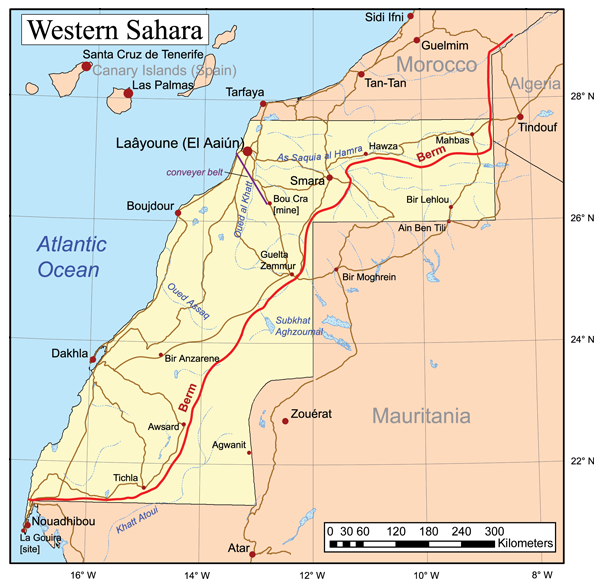
Western Sahara, a sparsely populated region along Africa’s Atlantic coast, was a Spanish colony until 1975. When Spain withdrew, Morocco annexed much of the territory, while the Polisario Front—representing the Sahrawi people—declared the Sahrawi Arab Democratic Republic (SADR) and launched a guerrilla war for independence.
A UN-brokered ceasefire in 1991 ended active conflict and led to the creation of MINURSO, whose mission was to organize a referendum on self-determination. However, disagreements over voter eligibility stalled that process for decades.
In 2007, Morocco proposed granting autonomy to Western Sahara under Moroccan sovereignty, allowing local self-government while retaining national control over defense and foreign policy. Over time, the plan gained traction as more countries, including the U.S., described it as “credible and pragmatic.”
What’s New and Changing
Earlier UNSC resolutions tried to balance neutrality between independence and autonomy. The 2025 vote, however, openly endorses Morocco’s plan as the foundation for negotiations.
Although MINURSO’s role remains, the mission’s focus now shifts from preparing for a referendum to facilitating talks within Morocco’s autonomy framework. This change, analysts say, marks a “turning point” in UN diplomacy.
Interestingly, the abstentions by China and Russia suggest cautious acceptance of the new direction. While neither country fully endorsed Morocco’s sovereignty claim, their decision not to veto indicates quiet approval of the compromise.
Challenges and Criticisms
Despite diplomatic optimism, challenges remain substantial.
Self-determination concerns: Critics, especially from the Sahrawi movement and Algeria, argue the resolution undermines the UN Charter’s principle of allowing people to choose their own destiny.
Implementation hurdles: Achieving true autonomy will require inclusive governance, transparent rights protection, and credible political participation. Ensuring the return of displaced Sahrawi refugees from camps in Algeria is another critical test.
Regional rivalry: The ongoing tension between Morocco and Algeria threatens progress. Algeria continues to reject any framework that excludes full independence, and this hostility risks destabilizing the region further.
Relevance of MINURSO: As the mission’s original purpose shifts, questions arise about its continued effectiveness. Can MINURSO manage a new political framework while maintaining neutrality? That remains uncertain.
The Road Ahead
Negotiations: The UN will now push for new round-table talks involving Morocco, the Polisario Front, Algeria, and Mauritania. The aim is to develop practical steps toward implementation of the autonomy model under UN supervision.
Autonomy framework: Morocco is expected to clarify how local governance, elections, and economic management will function in the new system. Ensuring human-rights safeguards and resource transparency will be vital for credibility.
Refugee and humanitarian issues: Thousands of Sahrawis still live in camps near Tindouf, Algeria. Their voluntary return and reintegration will be key indicators of progress.
Investment and development: Morocco has already initiated major infrastructure projects—ports, renewable energy, and roads—in the region. With UN endorsement, foreign investors may find renewed confidence to fund these initiatives.
Why Kenya and Africa Should Care
This decision carries lessons and potential consequences for African diplomacy.
- AU-UN relations: The African Union (AU) continues to recognize the SADR as a member state. A clear UN endorsement of Morocco’s autonomy proposal may put pressure on African states to reassess their positions.
- Economic opportunities: Western Sahara holds vast reserves of phosphates, fisheries, and renewable energy potential. A stable governance structure could unlock regional trade and investment opportunities.
- A model for conflict resolution: The autonomy approach, if successful, could serve as a precedent for resolving other African territorial disputes without resorting to full secession.
Conclusion
The UN Security Council’s endorsement of Morocco’s autonomy plan marks a pivotal moment in the Western Sahara saga. By favoring a negotiated autonomy model over independence, the Council has reshaped the political narrative around one of Africa’s most enduring territorial conflicts.
Still, the real test lies ahead. Implementation will demand inclusive governance, genuine participation from the Sahrawi people, and sustained international engagement. Whether this decision brings lasting peace or deepens divisions depends on how sincerely the parties commit to the next phase of dialogue.
As the Egyptian ambassador to the UN remarked after the vote, “The door to peace is open, but walking through it will require courage from all sides.”