1. A New Entry in Ultra‑Luxury atolls
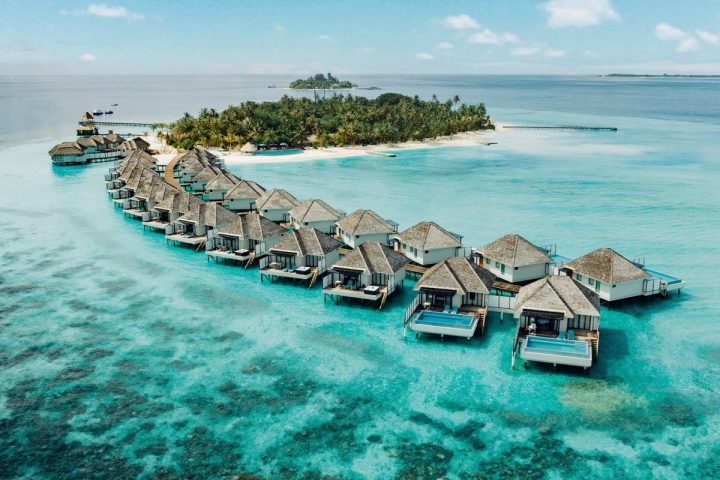
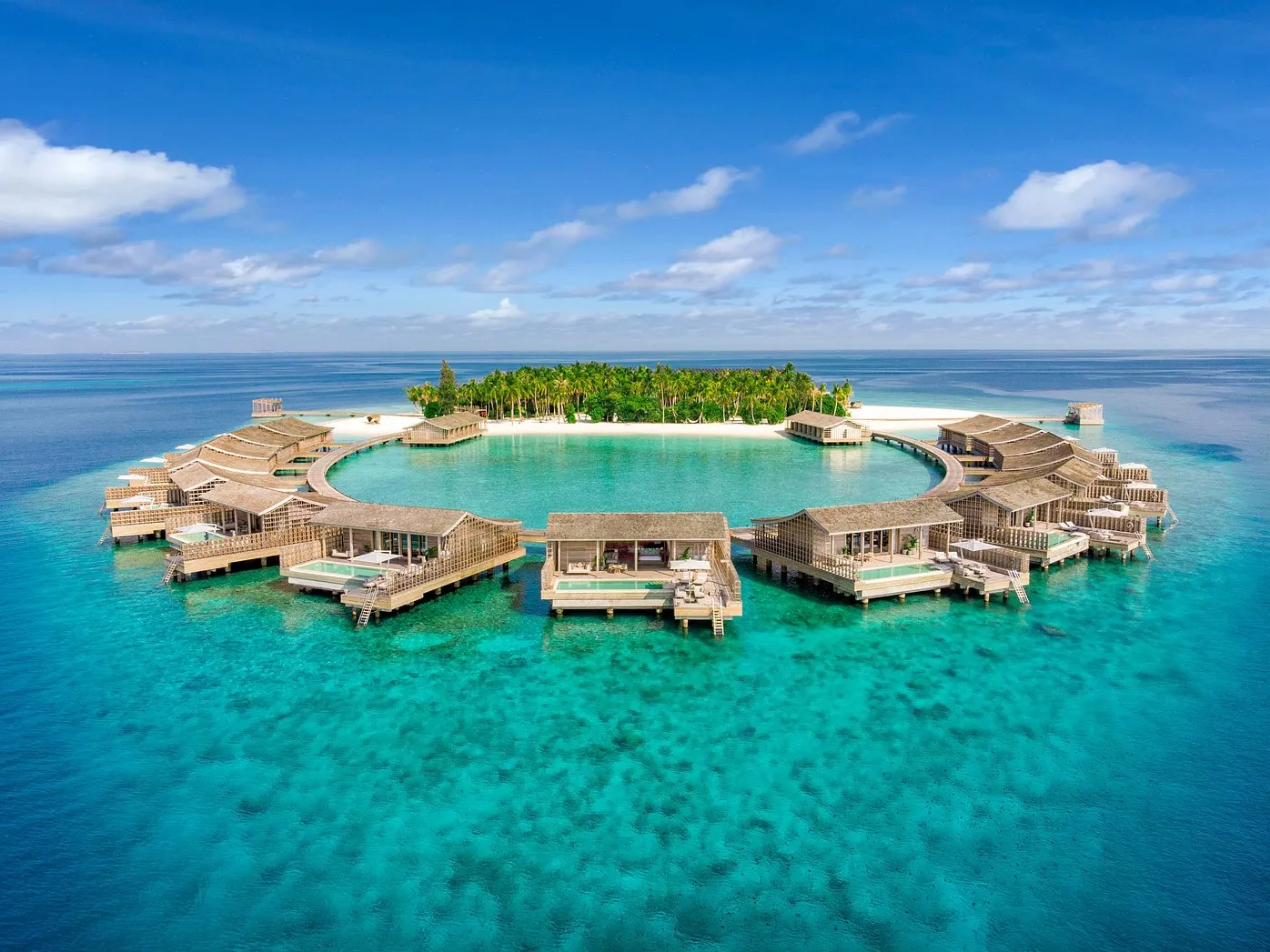
The Maldives is once again elevating its luxury‑travel game. With increasing demand from the Middle East, particularly the Gulf Cooperation Council (GCC) region, a flagship resort has just opened (or is opening soon) that aims specifically at high‑net‑worth GCC travellers seeking exclusivity, privacy and premium service. While several resorts already invite GCC guest‑offers, this one leans heavily into the private‑island, villa‑only model with tailored GCC‑market marketing and incentives.
While exact details of the resort aren’t yet disclosed publicly in full, the trend is unmistakeable: resorts like Velaa Private Island have already proven the luxury‑GCC model works. Velaa offers 4 four‑bedroom residences, 25 beach villas and 18 over‑water villas — emphasising space, privacy and exclusivity. The new resort is positioned similarly, but with elevated GCC‑specific offers and services.
2. Why the GCC Market is Key
GCC travellers represent one of the most lucrative markets in luxury tourism. Their preferences typically include privacy, high‑end amenities, family or group travel (with multiple generations), and premium service levels (e.g., butler service, private pools, dedicated arrival lounges). The Maldives, with its seaplane transfers, private villas over water, and ultra‑luxury beach experiences, fits that demand well.
Furthermore, GCC tourists often travel during cooler months or for special occasions (National Days, Eid breaks, New Year), and they seek destinations with branding, exclusivity and high‑end hospitality. Recognising this, resorts are crafting GCC‑tailored offers. For example, the InterContinental Maldives Maamunagau Resort has launched an exclusive package for GCC travellers, including complimentary half‑board, club‑level benefits and free stays for children.
Thus, a new private resort focusing on this segment positions itself to capture a growing share of the GCC luxury‑tourism spend.
3. The Resort’s Value Proposition
Here are some key elements of its appeal:
- Ultra‑private villas: The resort offers private residences or multi‑bedroom villas, ideal for families or groups travelling together — a priority for many GCC guests who travel as extended families. The marketing mentions “two‑ and three‑bedroom residences” for GCC families.
- Tailored services and offers: GCC travellers are being offered bespoke incentives – for example, discounted or free seaplane transfers, VIP arrival lounges, complimentary upgrades, kids‑stay‑free offers and resort credits for extended stays. These reflect the GCC premium‑market expectations.
- Ease of access: The resort emphasises convenience from GCC hubs. Direct flights from major GCC cities to Malé (or nearby airports), followed by seaplane or short‑transfer to the resort, make it viable for “quick luxury getaways” which many GCC travellers prefer. For instance, the InterContinental Raa Atoll resort states the seaplane transfer is just 35 minutes from Velana, with direct connections from GCC.
- Cultural and service alignment: Hospitality tailored to GCC preferences (Arabic‑speaking staff, halal dining options, private dining, high levels of service) is increasingly standard. The new resort will likely emphasise these features to make GCC travellers feel at home.
- Destination upgrade & branding: The Maldives is shifting from being purely honeymoon territory to multi‑gen, ultra‑luxury family and group travel. Resorts such as the JW Marriott Maldives Resort & Spa emphasise this with dedicated family and solo‑traveller offers.
4. Strategic Partnerships & GCC Outreach
To capture the GCC market, the resort and Maldivian tourism authorities have stepped up regional engagement. For example, the portfolio operator Villa Resorts recently appointed Dubai‑based consultancy Mohamed Al Geziry to strengthen GCC sales and marketing.
This reflects a broader strategy: engage travel‑trade networks in the UAE, Saudi Arabia and Qatar, attend regional trade‑shows, align with GCC holiday calendars (e.g., Saudi’s National Day, UAE’s long‑weekend breaks), and offer tailored packages for Gulf travellers.
5. Market Timing & Trends
- Post‑COVID luxury rebound: The luxury travel segment has rebounded strongly. High‑net‑worth travellers are seeking premium experiences, seclusion, and bespoke services — favouring island destinations like the Maldives.
- Shift to families and groups: While the Maldives was traditionally known for honeymoons, resorts are increasingly catering to families and multigenerational groups. This aligns with GCC travellers, who often travel in extended family groups.
- Shorter‑haul, higher‑value travel: GCC travellers favour destinations within easy reach (the Maldives is ~4–5 hours flight from Dubai) and are willing to spend more for quality. This makes the Maldives an optimal fit.
- Experiential luxury: Beyond private villas and infinity pools, there’s a demand for unique experiences — underwater dining, private spa experiences, cultural excursions, marine conservation, and bespoke hospitality. The new resort’s design and branding reflect that.
- High‑end competition: The Maldives market is becoming more competitive at the ultra‑luxury end. Offering tailored GCC‑market convenience and branding is a way to differentiate.
6. Challenges & Considerations
Even with strong positioning, the resort and market face several risks:
- High cost of entry and operation: Private‑island resorts involve huge capital investment, high maintenance, and reliance on premium pricing to cover costs. Location, seaplane logistics, and elite service all matter.
- Seasonality and transfer constraints: Although GCC travellers have flexibility, the Maldives’ peak season and transfer logistics (seaplane capacity) can affect availability and pricing.
- Sustainability & environmental scrutiny: Luxurious island developments face increasing scrutiny about environmental impact, reef health, local community relations and sustainability practices. A 2023 study highlighted sustainability challenges for resort operations in the Maldives.
- Travel‑market volatility: Political, economic or aviation disruptions (e.g., in Gulf region) can affect travel patterns. Luxury destination demands must remain responsive.
- Tailored service expectations: GCC luxury travellers expect bespoke hospitality, which means resorts need Arabic‑speaking staff, halal dining, private transport, high privacy. Achieving this consistently is operationally demanding.
7. What to Watch Moving Forward
- Booking trends: Are GCC bookings rising for the resort? Are special packages being booked ahead of GCC holiday periods?
- Opening announcements & phases: If the resort is phased, how many villas in phase‑one? Are there residences sleeping 8–10 guests (which is key for GCC family travel)?
- Marketing campaigns in GCC: Will we see Gulf‑region travel‑trade roadshows, Arabic‑language campaigns, or tie‑ups with GCC tour operators?
- Service & cultural alignment: Does the resort deliver Arabic services, halal menus, VIP lounges for Gulf guests? This will signal true readiness for the GCC market.
- Sustainability and awards: How will the resort manage environmental impact, reef protection and position itself as luxury with responsibility?
- Competitive positioning: How does this resort differ from others targeting GCC travellers (e.g., Velaa, InterContinental Maamunagau, Centara properties)? Pricing, villa size, family offer, ease of access will matter.
8. Broader Implications for Maldives Tourism
The arrival of a resort designed with GCC luxury travellers in mind signals a broader shift in the tourism strategy of the Maldives:
- From predominantly honeymoon and romantic escapes to family, group and multi‑gen luxury travel.
- From general luxury to ultra‑luxury curated for specific high‑spend markets (GCC, China, ultra‑wealth).
- From destination promotion via western markets to regionalised luxury travel markets (Middle East, Gulf).
- From standalone resort offers to connected marketing and tailored packages for key markets.
9. Final Thoughts
The Maldives has long been synonymous with over‑water bungalows and honeymoon escapes. But the luxury travel landscape is evolving — faster than ever. With the Gulf region’s affluent travellers seeking privacy, exclusivity and high‑end service within reach of home, this new private‑resort offering in the Maldives is well‑timed and well‑positioned.
By combining easy access from the Gulf, family‑/group‑friendly residences, bespoke GCC‑market offers, and world‑class villa hospitality, the resort aims to capture a rising share of premium spending. The challenge will be to deliver not just luxury, but the tailored cultural, service and logistical experience that GCC travellers expect.
For luxury‑destination watchers, this is a model to observe — how the Maldives bridges its unique tropical setting with the sophisticated expectations of Gulf luxury travellers. As bookings roll in and offers fill, the Maldives may well rewrite its luxury‑tourism playbook around the Gulf market, not just honeymooners.